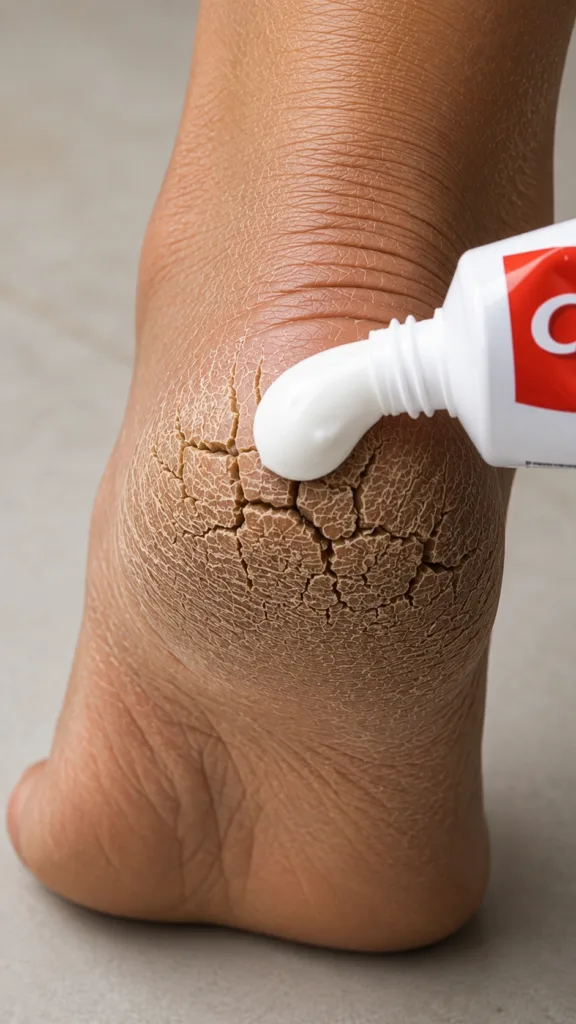
DIY Foot-Care Routine for Rough, Dry Heels: Toothpaste, Baking Soda, Lemon & More
Dry, rough, and cracked heels can make your feet look neglected and feel uncomfortable. If you enjoy experimenting with simple beauty recipes at home, this multi-ingredient foot-care mixture combines toothpaste, baking soda, lemon, aloe vera, and a moisturizing ingredient into an easy exfoliating routine.
It’s important to remember that home remedies won’t “cure” deep heel cracks or fungal infections. Lemon and baking soda can also irritate sensitive or broken skin, so this recipe is best treated as an occasional cosmetic foot-care routine rather than a medical treatment.
Ingredients
For one application, you’ll need:
- 1 teaspoon white toothpaste
- 1 teaspoon baking soda
- 1 teaspoon fresh aloe vera gel
- ½ teaspoon fresh lemon juice
- 1 teaspoon petroleum jelly (Vaseline) or coconut oil
- ½ teaspoon honey
- A small mixing bowl
- A spoon or clean applicator
The aloe vera, petroleum jelly, and honey help balance the recipe by adding moisture, while the baking soda provides gentle physical exfoliation.
How to Make the Mixture
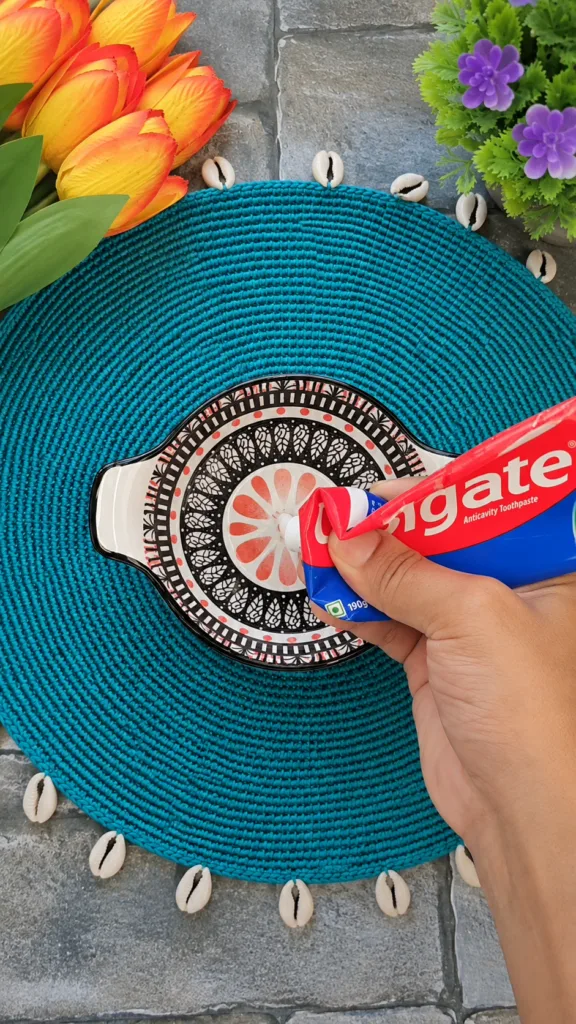
Add the toothpaste and baking soda to a clean bowl and mix them together.
Next, add the aloe vera gel and honey. Stir until the ingredients begin forming a smooth, creamy paste.
Add just a small amount of lemon juice and mix again. Finally, stir in the petroleum jelly or coconut oil until the mixture has a thick consistency that can easily be spread over the heel.
How to Use It
First, wash your feet with warm water and gently pat them dry. For particularly rough heels, soaking your feet in warm water for around 5–10 minutes beforehand can soften the surface skin.
Apply a thin layer of the mixture to the rough areas of your heels. Massage very gently rather than aggressively scrubbing the skin.
Leave it on for approximately 5 minutes, then rinse thoroughly with lukewarm water and dry your feet.
Finish with a generous layer of petroleum jelly or fragrance-free foot moisturizer. Putting on clean cotton socks afterward can help keep the moisturizer against your skin.
How Often Should You Use It?
Because this recipe contains baking soda and lemon juice, more is not better. Frequent exposure to acidic or alkaline DIY ingredients may irritate the skin and disrupt its natural barrier.
If your skin tolerates the mixture, keep its use occasional rather than daily. For everyday heel care, a plain moisturizer or petroleum jelly is a gentler option.
Important Safety Tips
Do not apply lemon juice, baking soda, or toothpaste to deep cracks, bleeding areas, cuts, irritated skin, or open wounds. Stop immediately if you notice burning, persistent stinging, redness, or swelling.
Lemon juice can also make skin more sensitive to sunlight, so wash the mixture off completely.
For severely cracked, painful, bleeding, or persistently irritated heels—or if you suspect an infection—skip DIY treatments and seek advice from a healthcare professional.
A Simpler Alternative
You don’t actually need a long ingredient list to care for dry heels. One of the simplest routines is to soak the feet briefly, gently remove loose dead skin, and then apply a thick fragrance-free moisturizer or petroleum jelly before bed.
DIY recipes can make engaging beauty content, but consistent moisturizing is usually the most important part of keeping heels looking soft and smooth.