Hang Eggshells in Your Garden for This Surprisingly Good Reason! Unlock Healthier, More Vibrant Plants
Every gardener dreams of a thriving, vibrant garden, yet many grapple with common challenges like nutrient deficiencies and pesky invaders. It’s frustrating to see your efforts wilt or fall prey to unseen forces, leaving plants less robust and yields diminished. What if a simple, natural remedy, often discarded without a second thought, held a key to unlocking your garden’s true potential?
This unexpected solution lies in something you likely toss every morning: eggshells. Reimagining their purpose can transform your garden, providing essential nourishment and a natural defense. Most people never realize this works because they often discard eggshells without considering their powerful mineral content, missing out on a resourceful, sustainable way to nurture their green spaces.
Ingredients
- 10-12 clean, dry eggshells (collected over time)
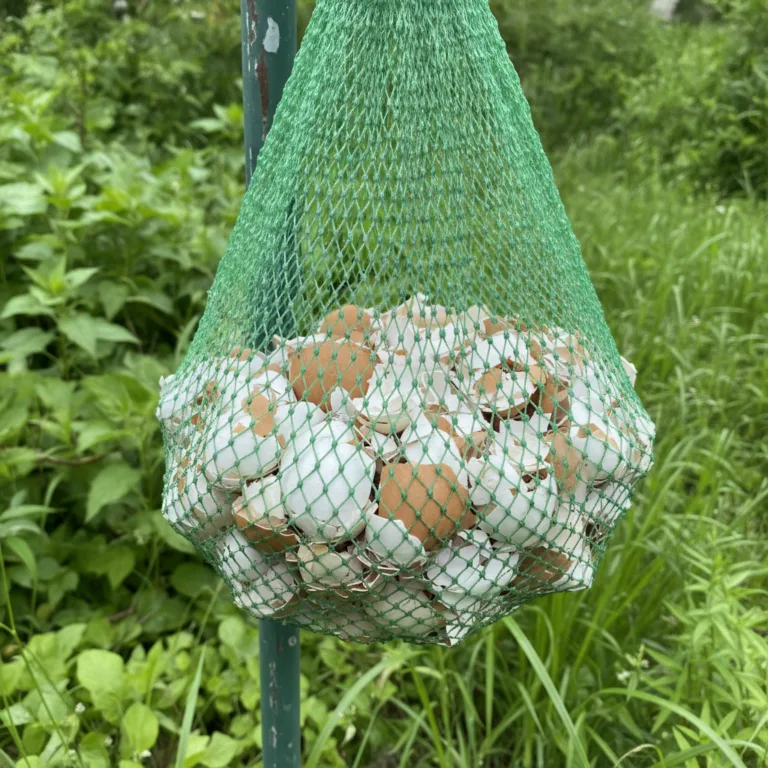
- Optional: A small mesh bag (like a produce bag or an old onion bag)
- Optional: String or twine for hanging
How to Prepare
- Collect and Clean: Gather your eggshells. Rinse them thoroughly under running water to remove any egg residue. This step is crucial to prevent attracting pests or unpleasant odors to your garden.
- Dry Completely: Spread the rinsed eggshells on a baking sheet and allow them to air dry for 24-48 hours, or bake them in a low oven (around 200°F/95°C) for 10-15 minutes until completely dry and brittle.
- Crush: Once dry, crush the eggshells into small pieces. You can do this by hand, with a mortar and pestle, or by placing them in a bag and rolling a rolling pin over them. For hanging, a coarser crush is fine; for soil amendment, finer pieces are better.
- Prepare for Hanging (Optional): If you choose the hanging method, place the coarsely crushed eggshells into a mesh bag and tie it securely with string.
How to Use + Best Time to Take
There are several resourceful ways to integrate eggshells into your garden:
- Hanging Deterrent: Hang the mesh bag of crushed eggshells near plants that are frequently targeted by snails, slugs, or deer. The sharp edges of the shells can deter soft-bodied pests, and the scent may discourage larger animals. This method is best employed as soon as pest activity is noticed or as a preventative measure during vulnerable growth stages.
- Soil Amendment: For a direct nutrient boost, finely crush the eggshells and sprinkle them directly into planting holes before adding new plants. You can also work them into the topsoil around existing plants, especially calcium-loving vegetables like tomatoes, peppers, and squash. This is ideal during spring planting or throughout the growing season.
- Seed Starting: Incorporate finely crushed eggshells into your seed-starting mix to provide young seedlings with a gentle, slow-release source of calcium from the very beginning.
- Compost Booster: Add crushed eggshells to your compost pile. They break down slowly, enriching your compost with valuable minerals over time.
Why It Works (Science Insight)
The primary reason eggshells are so beneficial for your garden lies in their composition: they are approximately 95% calcium carbonate. Calcium is an essential macronutrient for plants, playing a vital role in several physiological processes:
- Cell Wall Structure: Calcium strengthens plant cell walls, making plants more resilient to stress and disease. Stronger cell walls mean healthier stems, leaves, and fruits.
- Blossom End Rot Prevention: For many vegetables, particularly tomatoes, peppers, and squash, a calcium deficiency can lead to blossom end rot, where the bottom of the fruit turns dark and mushy. Eggshells provide a slow-release calcium source to prevent this common issue.
- Soil pH Regulation: While not a dramatic pH changer, calcium carbonate can help buffer soil acidity, promoting a more balanced environment for nutrient uptake.
- Pest Deterrent: The sharp, abrasive edges of crushed eggshells create an uncomfortable barrier for soft-bodied pests like slugs and snails, discouraging them from reaching your plants. Some anecdotal evidence also suggests the faint smell of residual egg protein might deter certain animals.
- Microbial Activity: Calcium also contributes to healthy microbial activity in the soil, which is crucial for nutrient cycling and overall soil health.
Who Benefits Most
- Gardeners with Calcium-Deficient Soil: If your soil tests show low calcium levels, or if your plants frequently suffer from blossom end rot, eggshells are a natural, gentle way to amend your soil.
- Those Seeking Natural Pest Control: Gardeners looking to minimize chemical use for pest management will find eggshells a helpful, eco-friendly deterrent against slugs and snails.
- Eco-Conscious Individuals: Repurposing eggshells is a fantastic way to reduce household waste and embrace sustainable gardening practices.
- Vegetable Growers: Plants like tomatoes, peppers, eggplants, zucchini, and brassicas (cabbage, broccoli) have a higher demand for calcium and will particularly benefit from eggshell application.
Quick Notes / Safety / Simple Adjustments
- Cleanliness is Key: Always ensure eggshells are thoroughly cleaned and dried before use to prevent any unwanted odors or pest attraction.
- Patience is a Virtue: Eggshells break down slowly, so don’t expect immediate, dramatic results. Consistent application over time yields the best benefits for soil health and plant vitality.
- Crush Size Matters: Finer crushing allows for faster calcium release into the soil, while coarser pieces are better for physical pest deterrence.
- Not a Stand-Alone Solution: While effective, eggshells are part of a holistic approach to gardening. They complement, rather than replace, good soil practices, proper watering, and other integrated pest management strategies. For severe pest infestations, more targeted interventions may be necessary.
- Storage: Store cleaned, dry eggshells in an airtight container until you have enough for your garden needs.