
Start your journey to a radiant glow with this simple rice water beauty ritual. This centuries-old tradition is beloved for its potential to help support a naturally hydrated, smooth, and youthful-looking complexion.
Quick Recipe
Prep time: 10 minutes (plus 12-24 hours for fermentation)
Best for: Dullness, uneven skin tone, dry skin, youthful appearance
Use type: Face mist, toner, or facial rinse
Main ingredients:
- Uncooked white rice
- Filtered water
Ingredients
- 1/2 cup uncooked white rice (such as jasmine or basmati)
- 2 cups filtered water
- Optional: 1-2 drops lavender or rose essential oil (for fragrance and added benefits)
How to Make It
- Rinse the Rice: Place the 1/2 cup of rice in a fine-mesh sieve and rinse it under cold running water for about 30 seconds. This helps remove any impurities.
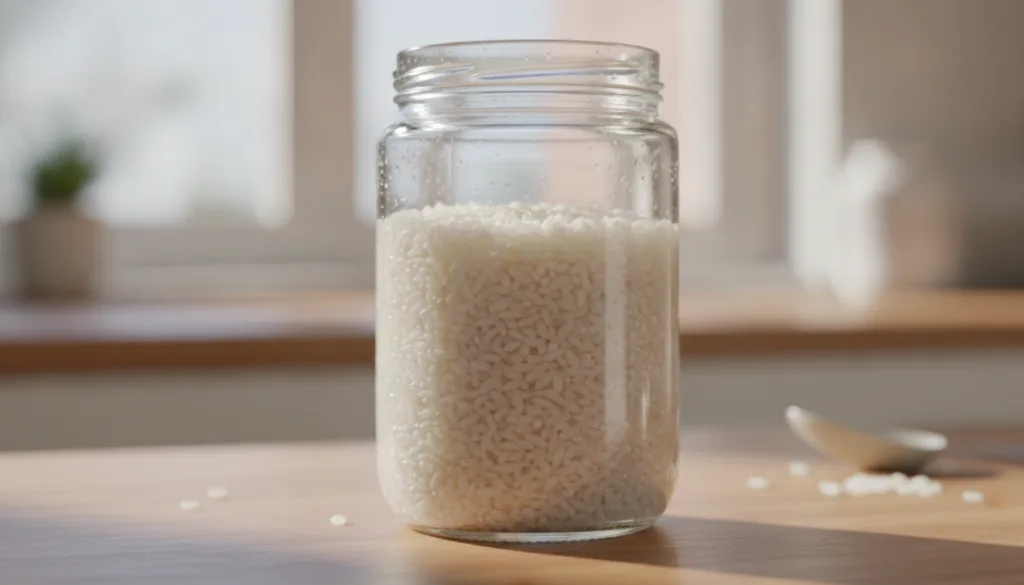
- Soak the Rice: Transfer the rinsed rice to a clean glass jar. Add 2 cups of filtered water to the jar, ensuring the rice is fully submerged.
- Soak or Ferment: For a quick rinse, you can simply soak the rice for 30 minutes to 1 hour. For fermented rice water, which is often preferred for its enhanced beauty benefits, cover the jar and let it sit at room temperature for 12 to 24 hours. You’ll notice a slightly sour smell and cloudy appearance when it’s ready.
- Strain the Water: Once soaked or fermented, strain the milky-white rice water into a clean spray bottle or container, discarding the rice.
- Add Essential Oil (Optional): If desired, add 1-2 drops of essential oil to the rice water and shake gently to combine.
- Store: Store your homemade rice water in the refrigerator. It can typically be kept for up to 5-7 days.
How to Use It
- Cleanse: Start with a clean face. Gently wash your face with your usual cleanser and pat dry.
- Apply: Shake the rice water bottle well before each use. Spritz the rice water directly onto your face, or apply it with a cotton pad, gently dabbing it all over your skin.
- Massage & Absorb: Lightly pat your skin with your fingertips to help the rice water absorb. Allow it to air dry for a few minutes before applying any other serums or moisturizers.
- Rinse (Optional): Some prefer to rinse off the rice water after 10-20 minutes, especially if they find it sticky. Others leave it on as a toner. Experiment to see what works best for your skin.

How Often to Use It
You can use rice water as a toner or facial rinse once or twice daily after cleansing. Consistent use is key to observing potential benefits.
Why These Ingredients Are Used
Uncooked White Rice
Rice water is a traditional beauty ingredient, particularly popular in Asian cultures. It’s rich in vitamins, minerals, amino acids, and antioxidants. These components are believed to help brighten the skin’s appearance, improve texture, and support overall skin health. Fermented rice water, in particular, contains pitera, a yeast byproduct known for its potential to help with cellular regeneration, contributing to a smoother-looking complexion.
Filtered Water
Using filtered water ensures that your rice water is free from chlorine and other tap water impurities that could potentially irritate sensitive skin or affect the beneficial properties of the rice water.
What Results to Expect
With regular use, rice water may help your skin look smoother, feel more hydrated, and appear more radiant. Many users report a reduction in the appearance of pores and a more even-looking skin tone, contributing to a fresh, vibrant, and youthful glow. Results can vary, but consistency supports the best outcomes.
Safety Notes
- Patch Test First: Always perform a patch test on a small, inconspicuous area of your skin (like behind your ear or on your inner arm) before applying it to your entire face to check for any sensitivity or allergic reactions.
- Use Gently: Apply rice water gently. Avoid rubbing or scrubbing your skin, especially if it’s sensitive.
- Avoid Irritated or Broken Skin: Do not apply rice water to skin that is irritated, broken, or has active breakouts, as it could potentially cause further irritation.
- Stop If Discomfort Occurs: If you experience any redness, itching, burning, or discomfort, discontinue use immediately.
- Proper Storage: Always store rice water in the refrigerator to prevent bacterial growth, especially if fermented. Discard if it develops an off-putting smell or appearance.
- Fermentation Considerations: While fermentation enhances benefits, ensure proper hygiene to avoid unwanted bacterial growth.
FAQ
Can I use any type of rice?
Yes, most types of white rice (such as jasmine, basmati, or long-grain white rice) can be used. Organic rice is often preferred to avoid potential pesticide residues.
How long does rice water last?
Stored in the refrigerator, rice water typically lasts 5-7 days. Fermented rice water may have a slightly longer shelf life due to its acidic pH, but always check for freshness.
Will rice water make my skin sticky?
Some people might find rice water leaves a slightly sticky feeling. If this happens, you can rinse it off after 10-20 minutes, or dilute it with a bit more filtered water.
Final Thoughts
Embracing the simplicity of rice water for your beauty routine is a wonderful way to explore natural skincare. This traditional remedy offers a gentle path to a more radiant, hydrated, and youthful-looking complexion. Give it a try and discover the subtle magic of this ancient glow for yourself!