Did you know that what you choose to eat every day can have a direct and significant impact on your uterine health? It’s true! Our bodies are incredible, and the fuel we provide them plays a crucial role in everything from energy levels to hormone balance and, yes, even the well-being of our uterus.
Understanding this powerful connection between your diet and your uterine health is a key step in nurturing your body naturally. Certain foods can offer incredible support, promoting healing and helping to keep your hormones in a happy balance, while others might unknowingly contribute to imbalances or discomfort. Let’s explore how simple food choices can make a big difference.
Why Uterine Health Matters Beyond Reproduction
While often associated with fertility and childbearing, a healthy uterus contributes to overall well-being throughout a woman’s life. It plays a role in hormonal balance, menstrual cycle regulation, and can even influence energy and mood. Taking care of your uterus through diet is an act of self-care that can lead to feeling more balanced and vibrant.
Foods That Support Uterine Health: The Good Stuff
Incorporating these nutrient-dense foods into your daily meals can provide fantastic support for your uterine well-being.
1. Fiber-Rich Foods
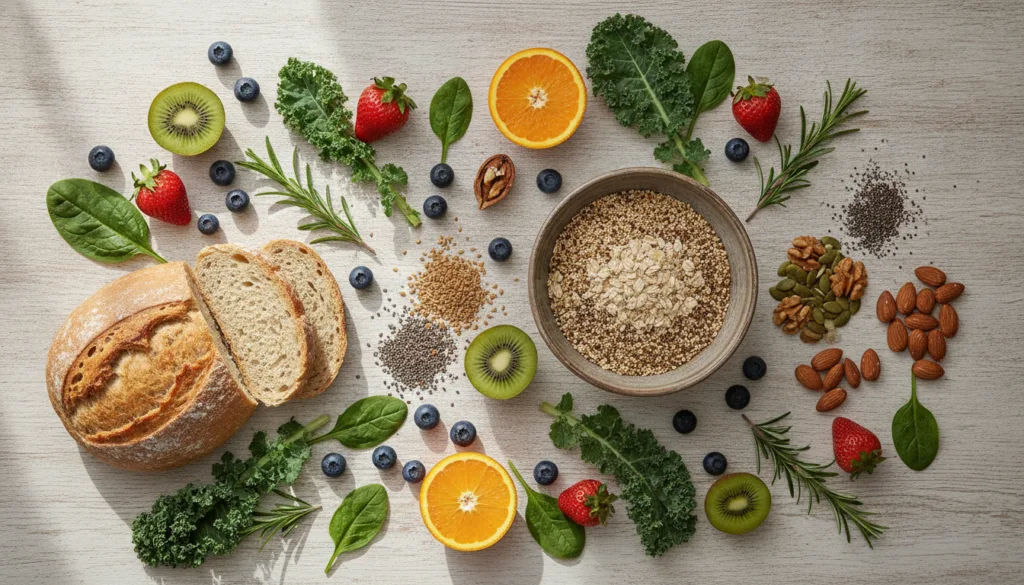
Fiber is a superstar for detoxification and hormone balance. It helps your body eliminate excess estrogen, which can be beneficial for conditions influenced by estrogen dominance. Plus, it keeps your digestive system running smoothly.
- Examples: Berries, apples, pears, leafy green vegetables (spinach, kale), broccoli, carrots, whole grains (oats, brown rice, quinoa), legumes (lentils, beans).
2. Omega-3 Fatty Acids
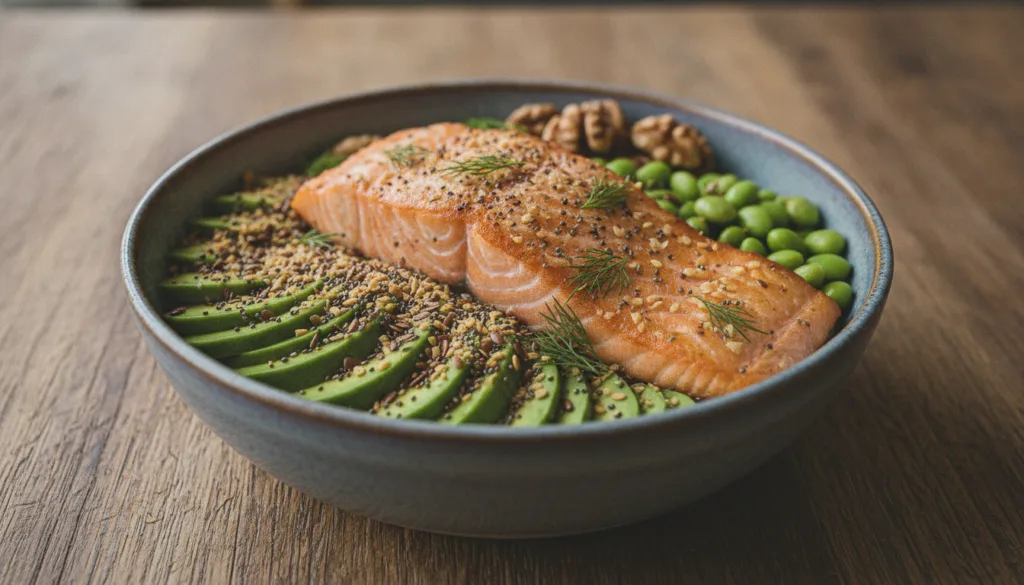
Known for their powerful anti-inflammatory properties, omega-3s can help reduce inflammation throughout the body, including the reproductive system. They are also vital for overall cellular health.
- Examples: Fatty fish (salmon, mackerel, sardines), flax seeds, chia seeds, walnuts, hemp seeds, avocado.
3. Antioxidant-Rich Foods
Antioxidants protect your cells from damage caused by free radicals and oxidative stress. A diet rich in antioxidants supports overall cellular health, including the cells of your uterus.
- Examples: Brightly colored fruits and vegetables such as blueberries, raspberries, strawberries, oranges, bell peppers, sweet potatoes, dark leafy greens, green tea.
4. Lean Proteins
Protein is essential for tissue repair and building, including the tissues of your uterus. It also helps stabilize blood sugar, which can indirectly support hormone balance.
- Examples: Skinless chicken, turkey, fish, eggs, tofu, tempeh, lentils, beans, quinoa.
5. Essential Vitamins and Minerals
- Iron: Important, especially if you experience heavy periods, to prevent anemia. Found in lentils, spinach, red meat (in moderation), and pumpkin seeds.
- Magnesium: Can help relax muscles and may ease menstrual cramps. Found in dark leafy greens, nuts, seeds, and dark chocolate.
- B Vitamins: Crucial for hormone metabolism and energy production. Found in whole grains, legumes, eggs, and leafy greens.
Foods to Be Mindful Of
While occasional treats are part of a balanced life, being mindful of these foods can further support your uterine health if consumed in excess.
1. Processed Foods and Refined Sugars
These can contribute to inflammation and blood sugar imbalances, which may disrupt hormone regulation. Focus on whole, unprocessed foods whenever possible.
2. Excessive Red Meat and High-Fat Dairy
Some research suggests that a very high intake of red meat and certain dairy products, particularly those high in saturated fats and hormones, may impact hormone levels. Moderation and choosing leaner cuts or organic options can be helpful.
3. Excessive Caffeine and Alcohol
While a cup of coffee or an occasional drink is fine for many, excessive intake of caffeine and alcohol can affect hydration and may influence hormone balance in some individuals.
Hydration and Lifestyle: The Bigger Picture
Don’t forget the power of good old water! Staying well-hydrated is crucial for all bodily functions, including nutrient transport and waste elimination. Additionally, incorporating stress-reducing activities like yoga or meditation and regular, gentle movement can significantly complement your dietary efforts.
Nourishing your uterus is about making conscious, healthful choices that support your entire body. By focusing on whole, unprocessed foods rich in fiber, omega-3s, and antioxidants, you’re taking powerful steps towards greater wellness and hormone balance. Every small choice contributes to a healthier you!
What are your favorite ways to incorporate healthy foods into your diet? Share your tips in the comments below!