Most people spend fortunes on complex skincare regimens, often overlooking a simple, age-old pairing that has quietly graced traditional beauty rituals for generations: Vaseline and alum. This unassuming duo, often dismissed in the age of high-tech serums, holds a unique and practical lore for skin conditioning. It’s not about magic, but about understanding how two simple ingredients can work together to offer a different approach to skin care.
We’re diving deep into this fascinating combination to reveal its practical applications, ensuring you know exactly how to prepare, use, and store it safely for optimal results. Forget the hype; sometimes, the best remedies are those that have stood the test of time.
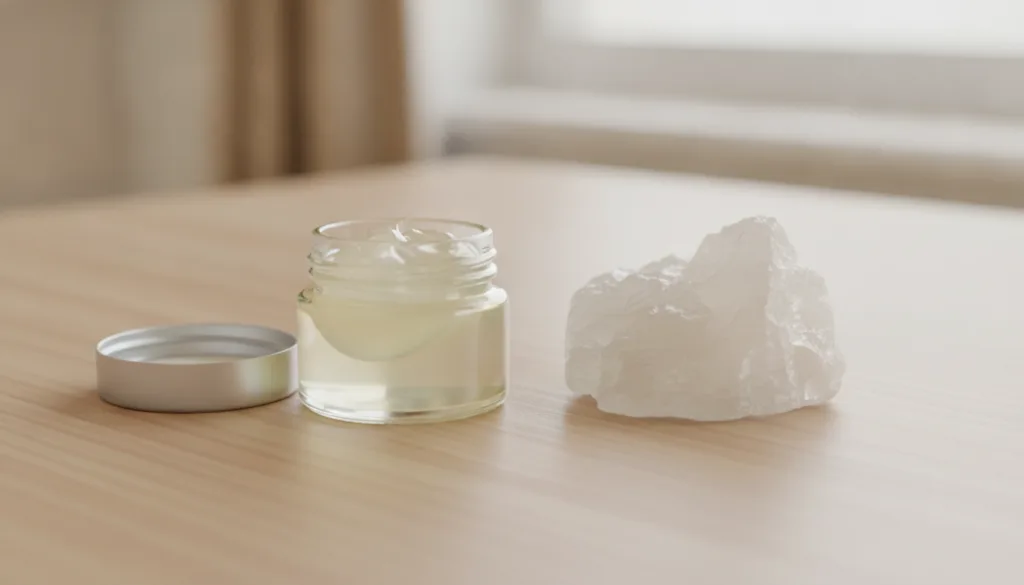
What It Is
This remedy combines two readily available items: petroleum jelly (commonly known by the brand name Vaseline) and alum. Vaseline is a well-known occlusive emollient, meaning it creates a protective barrier on the skin to lock in moisture and aid in healing. Alum, often found in crystal form as potassium aluminum sulfate, is a natural mineral salt known for its astringent, antiseptic, and styptic properties. Traditionally, alum has been used in various cultures for tightening pores, soothing minor irritations, and as a natural deodorant.
When combined, the idea is to leverage alum’s toning and mild antiseptic qualities while Vaseline provides a moisturizing and protective layer, potentially mitigating some of alum’s harsher drying effects and offering a more balanced application.
Ingredients
- Vaseline (Petroleum Jelly): A pure, unscented petroleum jelly.
- Alum Powder: Finely ground alum (potassium alum). You can buy it pre-powdered or grind a crystal yourself.
Approximate Measurements
The key to this remedy is balance. Too much alum can be irritating, while too little may not yield the desired effect. Start with a conservative ratio and adjust based on your skin’s reaction.
- Vaseline: 2 teaspoons
- Alum Powder: ¼ teaspoon
This ratio provides a mild preparation. For sensitive skin, you might start with even less alum (e.g., ⅛ teaspoon) or increase the Vaseline content.
Quick Tip: Fresh vs. Prepared Alum
While pre-powdered alum is convenient, grinding your own alum crystal can ensure purity and freshness. If grinding, use a mortar and pestle to achieve a very fine powder, as larger granules can be abrasive on the skin.
Formula / Recipe: The Vaseline & Alum Paste
This simple paste is designed for easy application. The goal is to create a smooth, consistent mixture that can be spread thinly on the skin without grittiness.
Step-by-Step Method
- Prepare Your Alum: If using an alum crystal, crush it thoroughly using a mortar and pestle or by placing it in a sturdy bag and gently tapping with a hammer until it becomes a fine powder. Ensure there are no large granules.
- Measure Ingredients: In a small, clean, non-metallic bowl, place 2 teaspoons of Vaseline.
- Add Alum Powder: Carefully add ¼ teaspoon of the finely powdered alum to the Vaseline.
- Mix Thoroughly: Using a clean spatula or the back of a spoon, mix the two ingredients together until they are fully combined and form a smooth, uniform paste. Continue mixing for a minute or two to ensure the alum is evenly dispersed and no lumps remain.
- Transfer (Optional): If you plan to store it, transfer the paste to a small, airtight container.
How to Use
This Vaseline and alum paste is typically used for targeted application rather than as a full-face treatment. Common uses include:
- Temporary Skin Tightening: Apply a very thin layer to areas where you desire a temporary tightening effect, such as under the eyes or around the jawline.
- Soothing Minor Irritations: For very minor cuts or abrasions (after cleaning), the mild antiseptic properties of alum combined with Vaseline’s protective barrier can be applied sparingly.
- Foot Care: It can be applied to rough patches on the heels or feet for a combination of softening and mild astringent action.
Always apply to clean, dry skin. A very small amount goes a long way. Gently massage the paste into the desired area until absorbed or until it forms a thin, even layer.
How Often to Use
Due to alum’s astringent nature, this remedy should not be used daily, especially on sensitive facial skin. For most applications, using it 2-3 times a week is a good starting point. Observe your skin’s reaction closely. If any irritation occurs, reduce frequency or discontinue use. For foot care, it might be used slightly more frequently, but always listen to your skin.
Common Mistake: Overuse
A frequent error is believing that more is better. Over-applying or using this paste too often can lead to skin dryness, irritation, or even a burning sensation, particularly with alum. Always start with a small amount and monitor your skin’s response.
How to Buy / How to Choose Ingredients
- Vaseline: Opt for pure, 100% petroleum jelly without added fragrances, dyes, or other ingredients that could cause irritation. Reputable brands are widely available.
- Alum: You can typically find alum powder or crystals in spice sections of grocery stores, health food stores, or online. Ensure it is food-grade or cosmetic-grade potassium alum, not aluminum sulfate, which is used for gardening or water purification.
Storage
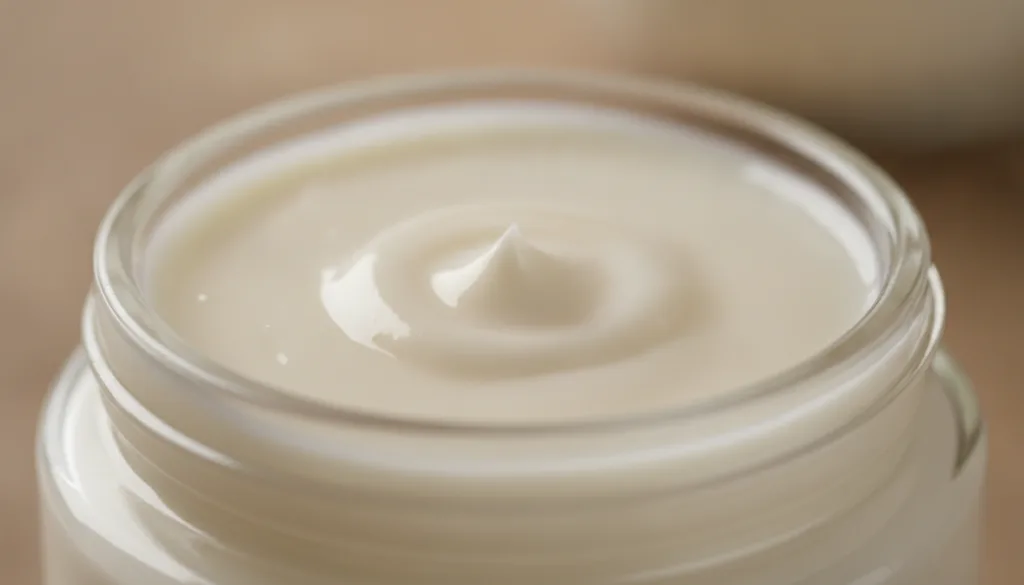
Once prepared, the Vaseline and alum paste should be stored in a clean, airtight container. A small glass jar with a tight-fitting lid is ideal. Keep it in a cool, dry place away from direct sunlight and extreme temperatures. It does not require refrigeration. Properly stored, it should remain stable for several months, similar to the shelf life of Vaseline itself. If you notice any change in color, smell, or texture, it’s best to discard it.
Practical Tips
- Patch Test is Essential: Before applying the paste to a larger area, always perform a patch test on a small, inconspicuous part of your skin (e.g., behind the ear or on the inner arm). Wait 24-48 hours to check for any adverse reactions like redness, itching, or irritation.
- Clean Skin First: Always apply the paste to freshly cleansed and dry skin to prevent trapping dirt or bacteria.
- Use Sparingly: A very thin layer is all you need. Over-application can make the skin feel greasy or increase the risk of irritation from the alum.
- Nighttime Application: Many users prefer to apply this remedy at night, allowing it to work while they sleep.
Common Mistakes
- Using Too Much Alum: This is the most common error. Alum is potent; excessive amounts can lead to significant skin irritation, redness, and dryness.
- Not Mixing Thoroughly: If the alum powder isn’t fully incorporated, it can create abrasive granules that scratch or irritate the skin during application.
- Skipping the Patch Test: Everyone’s skin is different. What works for one person might irritate another. Always patch test.
- Applying to Broken or Irritated Skin: Never apply this mixture to open wounds, severely chapped, or already irritated skin, as the alum can cause significant stinging and delay healing.
Cautions / Who Should Avoid It
- Sensitive Skin: Individuals with highly sensitive skin, eczema, rosacea, or other skin conditions should use this remedy with extreme caution or avoid it altogether. Alum can be very irritating.
- Allergies: If you have known allergies to aluminum or any components of petroleum jelly, do not use this paste.
- Pregnant or Breastfeeding Individuals: It’s always best to consult a healthcare professional before using new remedies during pregnancy or breastfeeding.
- Children: Keep this remedy out of reach of children.
- Avoid Eye Contact: Ensure the paste does not come into contact with your eyes, as alum can cause severe irritation. Rinse immediately with plenty of water if contact occurs.
Did You Know?
Alum has been used for thousands of years, not just in beauty, but also in traditional medicine as an antiseptic and in food preservation. Its versatility highlights its long-standing presence in various cultures’ practical applications.
Quick Summary
| Aspect | Guidance |
|---|---|
| Best Preparation | Fine alum powder mixed smoothly with Vaseline. |
| Best Use-Case | Targeted application for temporary skin tightening, minor irritations, foot care. |
| Storage | Airtight container, cool, dry place. |
| When to Use | 2-3 times a week, ideally at night. |
| What to Avoid | Overuse, broken skin, skipping patch test. |
FAQ
- Can I use fresh alum crystals directly on my skin?
No, alum crystals are too abrasive. They must be finely ground into a powder and mixed with Vaseline to prevent skin damage. - How long does the prepared paste last?
When stored correctly in an airtight container, it can last several months, similar to the shelf life of Vaseline, provided no contaminants are introduced. - Can I refrigerate it?
Refrigeration is not necessary and might make the Vaseline too hard to work with. A cool, dry place is sufficient. - How often should I use it?
Start with 2-3 times a week. Adjust frequency based on your skin’s tolerance. - What part of the alum is best to use?
Potassium alum (often labeled as ‘alum powder’ or ‘phitkari’ in some cultures) is the type typically used for cosmetic applications. - Can I use this for acne?
While alum has astringent properties, it can be too harsh for active acne and may cause irritation. It’s best to avoid applying it to inflamed breakouts. - What should I do if my skin gets irritated?
Immediately wash off the paste with mild soap and water. If irritation persists, discontinue use and consult a dermatologist. - Does this remedy permanently tighten skin?
No, any tightening effect from alum is temporary and cosmetic. It does not provide permanent structural changes to the skin.
Conclusion
The combination of Vaseline and alum, a genuine relic from timeless beauty practices, offers a simple yet potent approach to targeted skin care. While it won’t replace a comprehensive dermatological routine, its traditional uses for temporary skin tightening and soothing minor irritations make it a worthwhile addition for those seeking practical, low-cost remedies. Remember, the key to success lies in careful preparation, mindful application, and respecting your skin’s unique needs. Embrace the wisdom of simplicity, but always with a wise and watchful eye on how your skin responds.

