Unlock the Unexpected: This Ubiquitous Plant’s Sap is as Valuable as Silver
Many of us navigate our daily lives feeling overwhelmed by the constant demands, seeking moments of calm and natural solutions to everyday discomforts. We often overlook the profound wisdom hidden in nature, especially in the unassuming plants that grace our surroundings.
Imagine if a plant you’ve walked past countless times held a secret, a natural remedy so potent and traditionally revered that its sap was once considered as valuable as silver. This isn’t a fable; it’s a testament to the unexpected power of common botanicals.
Most people never realize this works because they’re simply unaware of the centuries-old traditional knowledge surrounding this particular wild plant and its remarkable properties.
Ingredients
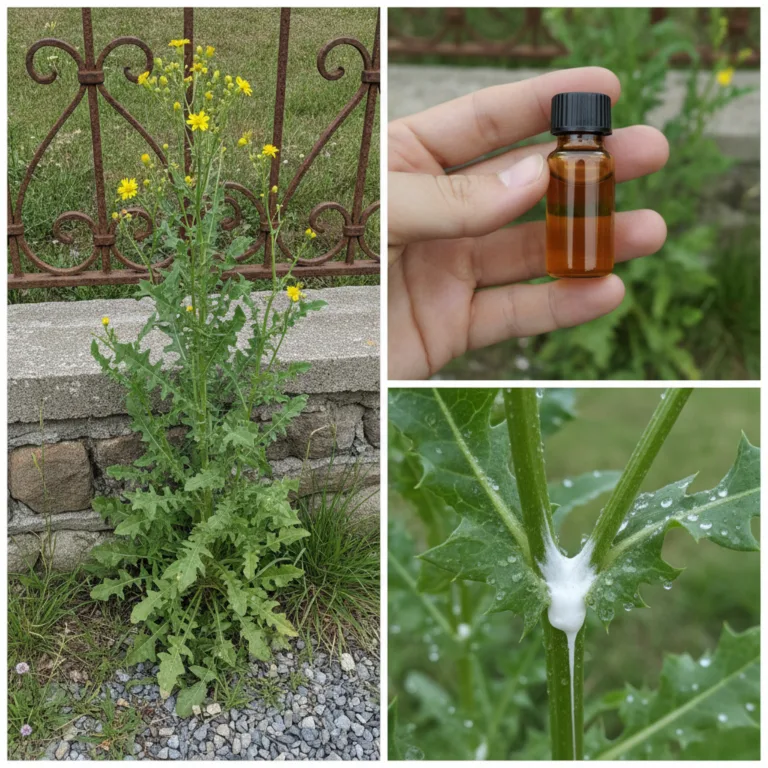
- Freshly gathered sap from the specific ubiquitous wild plant (known for its milky white latex)
- Sterile glass jar or small container for collection
- Small, sharp knife or razor blade (sterilized)
- Carrier oil (e.g., olive oil, almond oil) or pure alcohol (e.g., vodka) for dilution/tincture
- Amber dropper bottle for storage
How to Prepare
Collecting this precious sap requires a gentle hand and precise timing. The most potent sap is often found in the main stem or larger leaf veins.
- Identify Your Plant: Ensure you have correctly identified the specific wild plant known for this valuable sap. Misidentification can lead to undesirable outcomes.
- Gather Tools: Sterilize your knife and collection container.
- Make an Incision: Gently make a shallow incision on the plant’s stem or break off a leaf. A milky white sap should begin to ooze out.
- Collect the Sap: Carefully collect the dripping sap into your sterile glass jar. This process can be slow, requiring patience. Collect a sufficient amount, which might take several incisions from multiple plants.
- Prepare for Storage: Once collected, the raw sap is highly concentrated. For easier use and extended shelf life, it can be diluted. You can infuse it into a carrier oil (e.g., 1 part sap to 5-10 parts carrier oil) by gently warming the oil and adding the sap, allowing it to sit for a few hours before straining. Alternatively, for a tincture, mix the sap with pure alcohol (e.g., 1 part sap to 4 parts alcohol) and let it steep for 2-4 weeks in a cool, dark place, shaking daily.
- Bottle and Store: Strain the infused oil or tincture and transfer it into an amber dropper bottle to protect it from light. Store in a cool, dark place.
How to Use + Best Time to Take
The method of use often depends on the traditional application and preparation method.
- Topical Application: For external comforts, a few drops of the diluted sap or oil infusion can be gently massaged onto the affected area. This is often done as needed, up to 2-3 times a day.
- Aromatherapeutic Use (if applicable to specific plant): Some preparations can be added to diffusers for atmospheric support, particularly during times of mental unease or before bed to encourage a sense of calm.
- Internal Use (with extreme caution): Historically, tiny, highly diluted amounts were sometimes taken internally for specific purposes. If considering this, *always* consult with a qualified herbalist or healthcare professional, and begin with the absolute smallest dose possible. Best taken after meals to minimize any potential digestive discomfort.
The best time to take or apply this remedy often aligns with your body’s natural rhythms or when you feel the greatest need for its traditional calming or soothing properties. Many find it particularly beneficial in the evening to wind down.
Why It Works (Science Insight)
The milky white sap, known as latex, from this specific plant is often rich in a fascinating array of bioactive compounds. These can include sesquiterpene lactones, alkaloids, flavonoids, and other plant-specific chemicals that interact synergistically.
Traditionally, these compounds have been observed to possess properties that contribute to a sense of calm and well-being. For example, certain sesquiterpene lactones found in similar plant saps have been studied for their potential mild soothing effects, interacting with the body’s natural pathways that influence relaxation without the harsh side effects of some synthetic alternatives. While not a pharmaceutical, the plant’s natural constituents are thought to gently support the body’s own regulatory systems, particularly those related to nervous system balance and minor discomfort. The presence of antioxidants may also contribute to overall cellular health.
Who Benefits Most
- Individuals seeking traditional, natural support for occasional restlessness or mild tension.
- Those interested in exploring historical botanical remedies for skin comfort.
- People who appreciate connecting with nature and utilizing common wild plants for their well-being, provided they have a strong understanding of plant identification.
Quick Notes / Safety / Simple Adjustments
Strict Identification is Key: This is paramount. Many wild plants resemble each other, and incorrect identification can be dangerous. Only use this remedy if you are absolutely certain of the plant’s identity and its safety for your intended use.
Patch Test: Before widespread topical application, always perform a patch test on a small area of skin to check for any sensitivities or allergic reactions.
Pregnancy and Children: As with many herbal preparations, pregnant or nursing individuals, and young children should avoid using this remedy unless specifically advised by a qualified healthcare provider.
Dosage Matters: Natural remedies are potent. Start with the smallest recommended dose and observe your body’s response. Never exceed traditional or recommended dosages.
Storage: Keep the prepared sap away from direct sunlight and heat to preserve its efficacy. An amber glass dropper bottle is ideal for this purpose.
The wisdom of nature often lies hidden in plain sight, waiting for those who observe and respect its power. This humble plant, with its ‘silver-valuable’ sap, reminds us that profound benefits can emerge from the most unexpected sources.