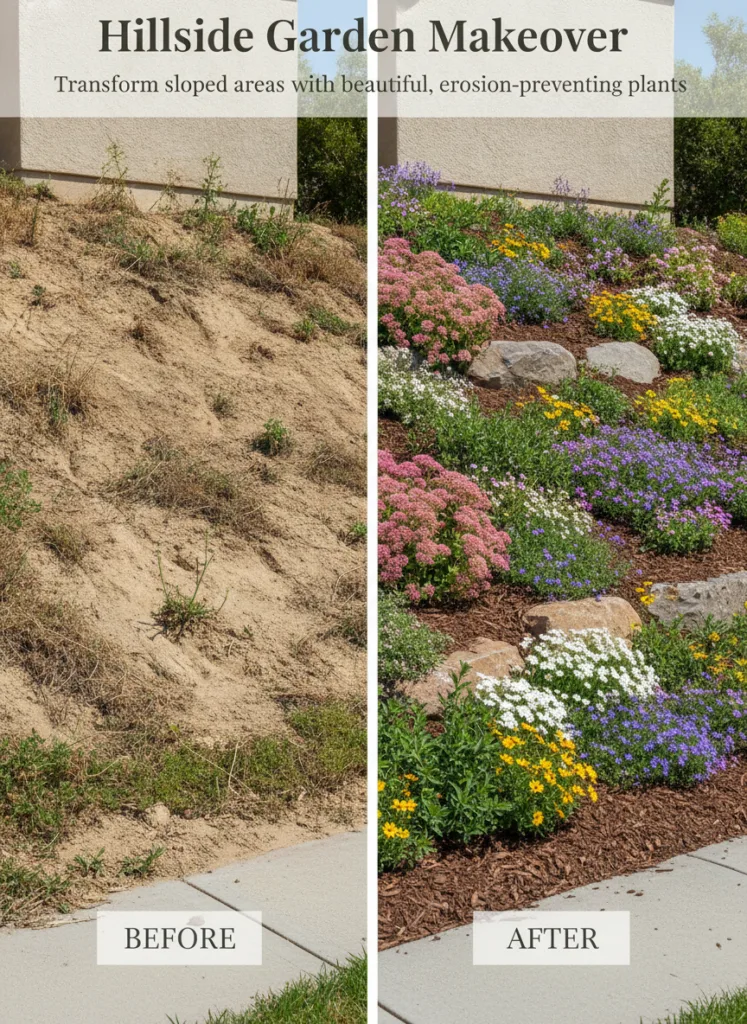
Do you look at that tricky, sloped area in your yard and sigh, imagining endless battles with mowing, weeding, or worse, watching your precious topsoil wash away with every heavy rain? You’re not alone. Slopes present unique gardening challenges, but they also offer an incredible opportunity to create stunning, low-maintenance landscapes that add beauty, prevent erosion, and boost your property’s appeal. Instead of seeing a problem, imagine a vibrant tapestry of resilient plants thriving where once there was barren ground.
This guide will walk you through transforming your challenging slope into a beautiful, functional hillside garden. We’ll explore the power of erosion-preventing plants, essential design strategies, and practical steps to ensure your makeover is a lasting triumph. Get ready to turn that difficult incline into a picturesque feature you’ll love for years to come.
The Challenge of Slopes and the Power of Plants
Sloped areas are often prone to erosion, poor water retention, and difficult access for maintenance. Gravity constantly pulls soil and water downhill, leading to nutrient loss, exposed roots, and an unkempt appearance. Traditional turfgrass struggles on steep grades, requiring frequent, often dangerous, mowing and heavy irrigation that can exacerbate runoff.
This is where erosion-preventing plants become your greatest allies. Their extensive root systems act like an underground net, holding soil in place and slowing down water runoff. The foliage above ground provides a protective canopy, shielding the soil from the direct impact of rain and slowing evaporation. Beyond their practical benefits, these plants introduce diverse textures, colors, and wildlife habitats, turning a liability into a lively asset.
Strategic Design for Hillside Stability
Before planting, consider the slope’s characteristics:
- Angle and Length: Steeper slopes benefit more from terracing or retaining walls to create flatter planting areas.
- Sunlight Exposure: Note how much sun the slope receives throughout the day, as this will dictate plant choices.
- Soil Type: Is it sandy, clay, or rocky? Improving soil structure is crucial for plant health and water retention.
- Water Runoff: Observe how water currently flows. You might need to add swales or small berms to redirect heavy flows.
For very steep slopes, incorporating hardscaping elements like natural rocks, as seen in many successful hillside makeovers, or building low retaining walls can create stable terraces. These terraces not only prevent soil movement but also create level pockets for planting, making establishment and care much easier.
Top Erosion-Preventing Plants for Your Slope
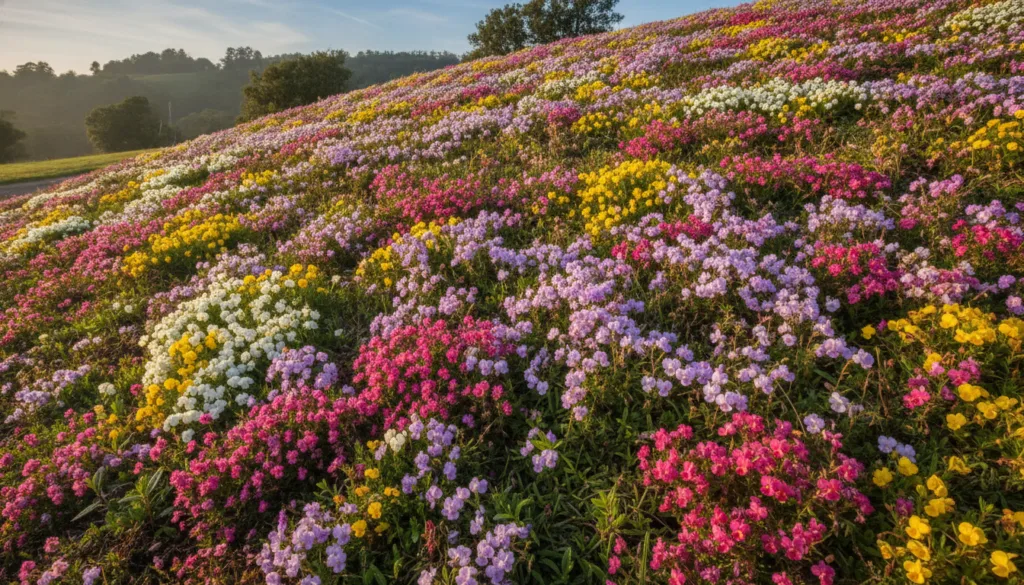
Choosing the right plants is key to a successful hillside garden. Focus on species with fibrous or deep root systems, drought tolerance, and a spreading or clumping growth habit. Here are some categories and examples that excel:
1. Spreading Groundcovers
These plants form a dense mat of foliage and roots, effectively covering the soil and preventing erosion.
- Creeping Phlox (Phlox subulata):
- Hardiness: USDA Zones 3–9
- Plant type: Perennial groundcover
- Exposure: Full sun
- Height: 4–6 inches
- Spread: 1–2 feet
- Care Tip: Shear back lightly after flowering to encourage dense growth and a tidy appearance.
- Sedum (Stonecrop, e.g., Sedum spurium):
- Hardiness: USDA Zones 3–9
- Plant type: Succulent perennial groundcover
- Exposure: Full sun to partial shade
- Height: 3–6 inches
- Spread: 1–2 feet
- Care Tip: Extremely drought-tolerant once established; avoid overwatering.
- Periwinkle (Vinca minor):
- Hardiness: USDA Zones 4–9
- Plant type: Evergreen perennial vine/groundcover
- Exposure: Partial to full shade
- Height: 4–6 inches
- Spread: 1–3 feet
- Care Tip: Excellent for shadier slopes, but can be vigorous; manage its spread with occasional pruning.
2. Low-Growing Shrubs
Shrubs offer deeper root systems and year-round structure. Choose varieties that don’t grow too tall to avoid obstructing views or creating maintenance headaches.
- Creeping Juniper (Juniperus horizontalis):
- Hardiness: USDA Zones 3–9
- Plant type: Evergreen conifer shrub
- Exposure: Full sun
- Height: 6–24 inches
- Spread: 5–10 feet
- Care Tip: Needs excellent drainage and thrives in lean soils.
- Dwarf Forsythia (e.g., ‘Minigolds’):
- Hardiness: USDA Zones 5–8
- Plant type: Deciduous shrub
- Exposure: Full sun
- Height: 1–3 feet
- Spread: 2–4 feet
- Care Tip: Prune after flowering to maintain shape and encourage blooming the following year.
3. Ornamental Grasses
Many ornamental grasses have dense, fibrous root systems perfect for stabilizing soil, and they add movement and texture to the landscape.
- Blue Fescue (Festuca glauca):
- Hardiness: USDA Zones 4–8
- Plant type: Perennial ornamental grass
- Exposure: Full sun
- Height: 8–12 inches
- Spread: 8–12 inches
- Care Tip: Divide clumps every few years to rejuvenate plants and maintain vigor.
- Liriope (Lilyturf, Liriope spicata or muscari):
- Hardiness: USDA Zones 5–10
- Plant type: Perennial ornamental grass-like plant
- Exposure: Full sun to full shade
- Height: 12–18 inches
- Spread: 1–2 feet (spicata spreads more aggressively)
- Care Tip: Trim back foliage in late winter before new growth emerges to keep it tidy.
Practical Steps for Your Hillside Makeover
Turning your vision into reality involves a few key steps:
1. Site Preparation and Soil Improvement
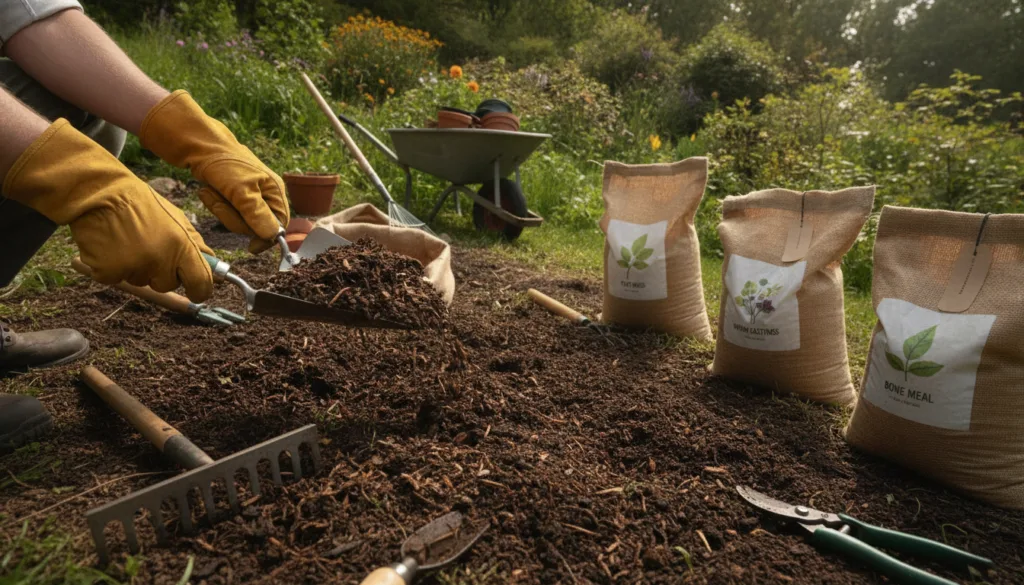
Clear any existing weeds, debris, or struggling vegetation. If the slope is very steep, consider temporary erosion control measures like jute netting until plants establish. Amend the soil generously with compost and other organic matter to improve drainage, water retention, and fertility. Good soil health is paramount on slopes, where nutrients can easily wash away.
2. Planting Strategy
- Start from the Top: Begin planting at the top of the slope and work your way down. This prevents disturbing newly planted areas and makes watering easier.
- Staggered Planting: Plant in a staggered, natural pattern rather than rigid rows. This helps distribute root systems more evenly for better erosion control.
- Proper Spacing: Give plants enough room to grow to their mature size, but close enough so they will eventually knit together to form a continuous cover. Consult plant tags for specific spacing recommendations.
- Planting Depth: Ensure plants are set at the same depth they were in their nursery containers. Dig a hole twice as wide as the root ball to encourage root spread.
3. Watering and Mulching
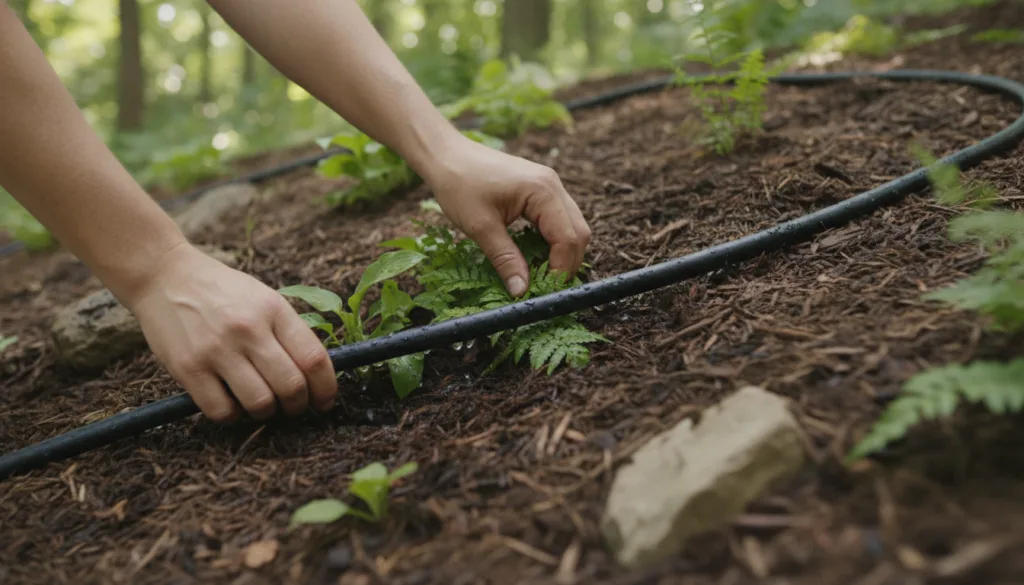
After planting, water thoroughly. Initial watering is critical for establishment. For slopes, drip irrigation or soaker hoses are often more efficient than overhead sprinklers, which can cause runoff. Apply a 2-4 inch layer of organic mulch, such as bark chips or pine straw, over the entire planted area. Mulch helps retain soil moisture, suppresses weeds, and provides an additional layer of erosion protection. Replenish as needed.
Common Mistakes to Avoid
- Ignoring Soil Conditions: Planting in compacted, infertile, or poorly draining soil will set your plants up for failure. Invest time in soil amendment.
- Planting Too Sparsely: While you need adequate spacing, don’t plant so far apart that the soil remains exposed for too long. The goal is to get a continuous plant cover.
- Overwatering Established Plants: Many erosion-control plants are drought-tolerant. Once established, they often require less frequent watering than other garden areas. Overwatering, especially on slopes, can lead to root rot and runoff.
- Choosing the Wrong Plants: Selecting plants not suited for your sunlight, soil, or USDA hardiness zone will result in a struggling, high-maintenance garden. Research is key!
- Neglecting Mulch: Skipping mulch leaves soil exposed to sun, wind, and rain, undoing much of your erosion control efforts.
Regional and Seasonal Considerations for U.S. Gardens
When selecting plants, always refer to your specific USDA Plant Hardiness Zone. This guide indicates the average annual minimum winter temperature, which is crucial for perennial survival.
- Zones 3–5 (Cold Climates): Focus on extremely cold-hardy groundcovers and shrubs like Creeping Juniper, some Sedum varieties, and native plants adapted to harsh winters.
- Zones 6–8 (Temperate Climates): A wide range of options opens up, including Periwinkle, many Phlox varieties, and evergreen shrubs that provide year-round interest.
- Zones 9–11 (Warm Climates): Consider plants like Lantana, Rosemary, and various native drought-tolerant species that thrive in warmer temperatures and may grow year-round.
Beyond hardiness zones, consider local factors like summer heat, humidity, and rainfall patterns. Your local extension service is an invaluable resource for specific plant recommendations suited to your region’s microclimate.
Conclusion: Your Beautiful, Sustainable Hillside Awaits
Transforming a sloped area into a thriving garden is one of the most rewarding projects a gardener can undertake. By understanding the challenges, choosing the right erosion-preventing plants, and employing smart planting and maintenance strategies, you can create a beautiful, low-maintenance landscape feature that enhances your home and contributes to a healthier environment. No more battling that steep incline; instead, you’ll be enjoying a vibrant, sustainable garden that works with nature, not against it. Take the first step today, and watch your hillside come alive!