That scratchy, raw feeling at the back of your throat can turn an ordinary day into an ordeal. Most people reach for common lozenges or over-the-counter sprays, but a simple, often-overlooked plant might be your unexpected ally. You’ve likely walked past it countless times without realizing its potential. This humble groundcover, known botanically as Phyla nodiflora (or frogfruit/lippia), offers a gentle, natural fix for that uncomfortable inflammation.
Most people never realize this works because they associate it with landscaping, not soothing remedies. But for centuries, traditional wisdom has harnessed the power of this resilient herb to provide comfort. Today, we’re bringing that wisdom to you with a practical guide on how to transform this basic leaf into an effective sore throat remedy.
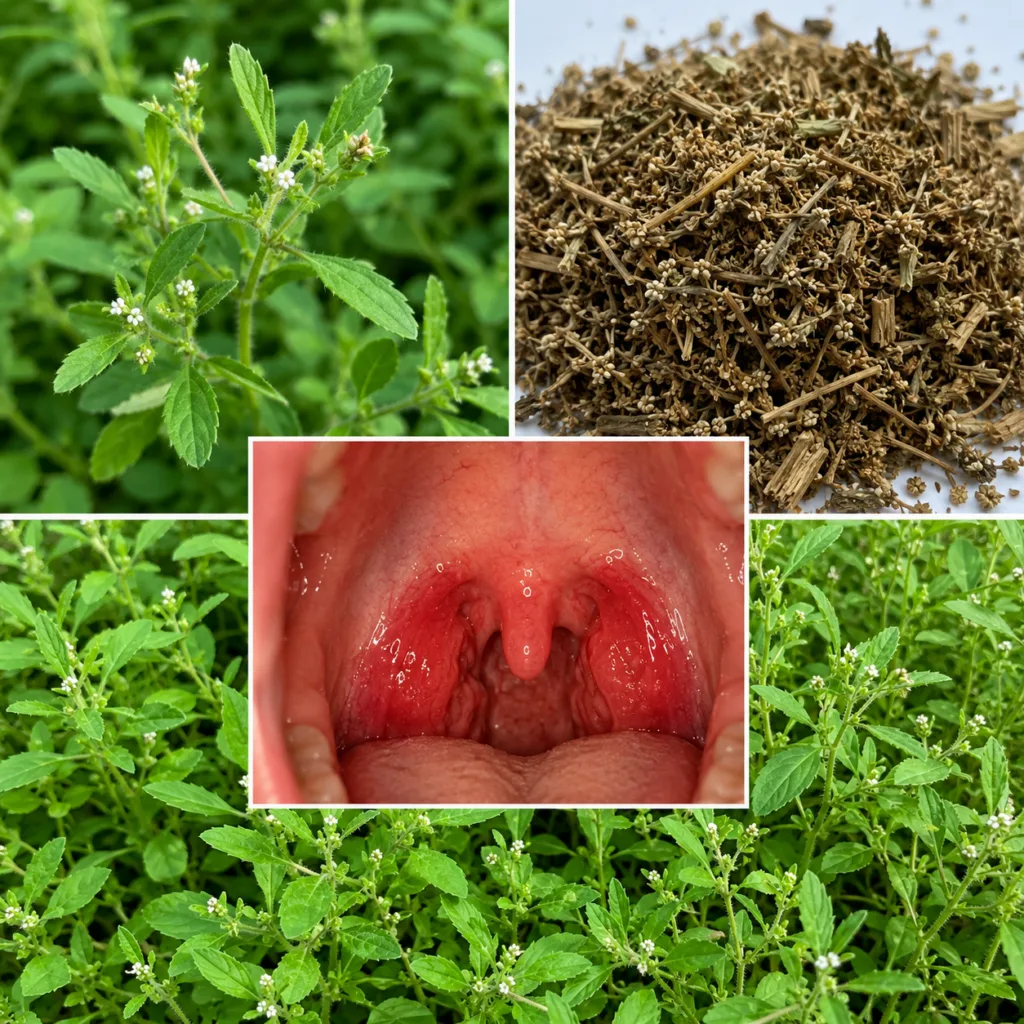
What is Phyla Nodiflora?
Phyla nodiflora, commonly known as frogfruit, turkey tangle fogfruit, or lippia, is a low-growing perennial plant native to many parts of the world. It’s often used as an ornamental groundcover, recognizable by its small, clustered white or pale pink flowers and creeping stems. Beyond its aesthetic appeal, this plant has a long history in various traditional medicine systems for its purported anti-inflammatory, antimicrobial, and soothing properties, particularly for respiratory issues like coughs and sore throats.
Ingredients for Your Sore Throat Remedy
The beauty of this remedy lies in its simplicity. You’ll only need two primary ingredients, with an optional third for added benefits:
- Fresh or Dried Phyla Nodiflora: The star of our remedy. Ensure it’s organically grown and free from pesticides.
- Water: Filtered water is always preferred for better taste and purity.
- Honey (Optional): For added soothing properties and to improve taste. Opt for raw, local honey if possible.
Approximate Measurements
- Phyla Nodiflora:
- For fresh leaves and flowers: Approximately 1/4 to 1/2 cup, loosely packed.
- For dried herb: About 1 tablespoon.
- Water: 1.5 to 2 cups.
- Honey (Optional): 1 teaspoon to 1 tablespoon, to taste.
Formula / Recipe: Phyla Nodiflora Soothing Infusion
This remedy is prepared as a simple herbal infusion, similar to making a strong tea. The goal is to extract the beneficial compounds without over-processing the delicate plant material.
Step-by-Step Method
- Harvest or Prepare the Herb:
- If using fresh Phyla nodiflora: Gently wash the leaves and flowers under cool running water. Pat them dry with a clean cloth or paper towel. Lightly bruise them by pressing them between your fingers to help release their compounds.
- If using dried Phyla nodiflora: Measure out the dried herb. No special preparation is needed beyond ensuring it’s free of dust.
- Boil the Water: In a small saucepan, bring 1.5 to 2 cups of filtered water to a rolling boil.
- Add the Herb: Once the water is boiling, remove the saucepan from the heat. Immediately add your prepared fresh or dried Phyla nodiflora to the hot water.
- Infuse: Cover the saucepan with a lid. This is crucial to prevent the escape of volatile compounds (essential oils) that contribute to the herb’s efficacy. Let it steep for 10-15 minutes. For a stronger infusion, you can steep for up to 20 minutes.
- Strain: Using a fine-mesh strainer or cheesecloth, strain the liquid into a clean mug or glass. Discard the spent herb material.
- Sweeten (Optional): If desired, stir in 1 teaspoon to 1 tablespoon of honey while the infusion is still warm. Honey not only improves the taste but also adds its own soothing and antimicrobial benefits.
How to Use This Soothing Infusion
This infusion can be used in two primary ways for sore throat relief:
- Sip as a Warm Tea: Drink the warm infusion slowly, allowing it to coat your throat. The warmth, combined with the herbal properties, provides immediate soothing comfort.
- Gargle: For more direct relief to the back of the throat, use the cooled-down (but still warm) infusion as a gargle. Take a mouthful, gargle for 30 seconds, then spit it out. Repeat several times.
Best Time to Take It:
- Morning: To soothe an overnight scratchy throat.
- Throughout the day: As needed, especially before meals to make swallowing easier, or after talking extensively.
- Before Bed: To help reduce nighttime discomfort and promote better sleep.

Why It Works: The Science Insight
The effectiveness of Phyla nodiflora against sore throats is attributed to its rich composition of bioactive compounds. This unassuming plant contains:
- Flavonoids: These are powerful antioxidants that help combat oxidative stress and have significant anti-inflammatory effects. By reducing inflammation, flavonoids can alleviate the swelling and pain associated with a sore throat.
- Terpenoids: Some terpenoids possess antimicrobial properties, which can help fight off bacterial or viral infections that often cause sore throats. They may also contribute to the plant’s anti-inflammatory action.
- Phenolic Compounds: Similar to flavonoids, these compounds offer antioxidant and anti-inflammatory benefits, supporting the body’s natural healing processes.
Together, these compounds work synergistically to reduce inflammation, soothe irritated mucous membranes (demulcent effect), and potentially inhibit the growth of pathogens. This holistic action addresses both the symptoms and underlying causes of sore throat discomfort, making it a valuable addition to your natural remedy toolkit.
Who Benefits Most
This Phyla nodiflora infusion is particularly beneficial for:
- Individuals experiencing mild to moderate sore throats due to common colds, seasonal allergies, or vocal strain.
- Those seeking a natural alternative to conventional sore throat remedies.
- People who prefer to use readily available or easily cultivated herbs for their wellness needs.
Quick Tip: Enhance the Soothing Power
For an extra boost, consider adding a slice of fresh ginger or a squeeze of lemon juice to your warm infusion. Ginger offers additional anti-inflammatory and warming properties, while lemon provides Vitamin C and can help cut through mucus.
How to Buy / How to Choose Ingredients
Sourcing your Phyla nodiflora is key to a safe and effective remedy:
- Harvesting Wild: If foraging, ensure you can accurately identify the plant (it can be confused with other groundcovers). Crucially, harvest only from areas you know are free from pesticides, herbicides, and pollution (e.g., away from roadsides).
- Growing Your Own: Phyla nodiflora is an excellent choice for a home herb garden. It’s hardy and easy to grow, providing a constant supply of fresh leaves.
- Buying Dried Herb: Look for reputable herbal suppliers who can guarantee organic cultivation and proper processing. The herb should have a natural, earthy aroma.
Fresh vs. Dried Phyla Nodiflora
| Feature | Fresh Phyla Nodiflora | Dried Phyla Nodiflora |
|---|---|---|
| Availability | Seasonal (warm months); if grown at home | Year-round from suppliers |
| Potency | Often more vibrant in aroma & some volatile compounds | Concentrated, but some volatile compounds may be lost |
| Preparation | Wash, lightly bruise | Measure directly |
| Storage | Use immediately or dry for later | Store in airtight container, cool, dark place |
| Taste | Milder, fresher herbaceous note | More earthy, concentrated herbaceous flavor |
| Quantity | Larger volume needed (1/4-1/2 cup) | Smaller volume needed (1 tbsp) |
Storage
- Fresh Phyla Nodiflora: If you’ve harvested more than you need, you can store fresh sprigs in a damp paper towel in the refrigerator for a few days, or consider drying them for long-term storage.
- Dried Phyla Nodiflora: Store in an airtight glass jar away from direct sunlight, heat, and humidity. Properly stored, it can retain potency for up to a year.
- Prepared Infusion: The infusion is best consumed fresh. If you prepare a larger batch, store it in a sealed container in the refrigerator for no more than 24 hours. Reheat gently before use, but avoid boiling.
Common Mistakes to Avoid
To ensure you get the most out of your Phyla nodiflora remedy and avoid potential issues, be mindful of these common pitfalls:
- Incorrect Plant Identification: Using the wrong plant can be ineffective or even harmful. Always be 100% sure you have identified Phyla nodiflora correctly, especially if foraging.
- Using Sprayed Plants: Harvesting from areas treated with pesticides or herbicides introduces harmful chemicals into your remedy. Only use plants from clean, organic sources.
- Boiling the Herb: Adding the herb to boiling water and continuing to boil it can degrade delicate compounds. Always remove the water from heat before adding the herb and cover it to steep.
- Skipping the Cover During Steeping: Volatile compounds that contribute to the herb’s aroma and efficacy can evaporate with steam. Covering the infusion retains these beneficial elements.
- Storing Improperly: Leaving dried herbs exposed to light, air, and moisture will quickly diminish their potency.
- Overuse: While generally mild, excessive consumption of any herbal remedy without need is not recommended. Use as directed for symptomatic relief.
Cautions / Who Should Avoid It
While Phyla nodiflora is generally considered safe for most people when used appropriately, a few cautions apply:
- Allergies: If you have allergies to plants in the Verbenaceae family, exercise caution. Discontinue use if you experience any adverse reactions like skin rash or digestive upset.
- Pregnancy and Breastfeeding: There is limited scientific research on the use of Phyla nodiflora during pregnancy and breastfeeding. It’s best to consult a healthcare professional before use.
- Interactions with Medications: If you are taking any prescription medications, especially blood thinners or diabetes medications, consult your doctor before incorporating new herbal remedies into your routine.
- Infants and Young Children: Always consult a pediatrician before giving any herbal remedies to infants or very young children.
Quick Summary
The humble Phyla nodiflora, or frogfruit, offers a simple yet effective natural remedy for sore throats. Prepare an infusion by steeping 1/4-1/2 cup fresh (or 1 tbsp dried) herb in 1.5-2 cups hot water for 10-15 minutes. Sip warm as a tea or use as a gargle. Store fresh infusion for up to 24 hours in the fridge; dried herb in an airtight container for up to a year. Always ensure correct plant identification and avoid sprayed plants. Consult a healthcare professional if pregnant, breastfeeding, or on medication.
FAQ
- Can I use fresh or dried Phyla nodiflora?
Yes, both fresh and properly dried forms can be used. Adjust the quantity accordingly (more fresh, less dried). - How long does the Phyla nodiflora infusion last?
It’s best consumed fresh. You can store any leftover infusion in the refrigerator for up to 24 hours. - Can I sweeten the infusion with anything other than honey?
Yes, you can use a natural sweetener like maple syrup or a tiny pinch of stevia, but honey offers additional soothing properties. - Is Phyla nodiflora safe for children?
Always consult a pediatrician or qualified herbalist before giving any herbal remedies to children. - Where can I find Phyla nodiflora?
It’s a common groundcover and can often be found growing wild in clean areas, or you can cultivate it in your garden. Reputable online herb suppliers may also carry the dried form. - What part of the plant is best to use?
The leaves and small flowers are typically used for this remedy. - Can I reuse the leaves for another batch?
It’s not recommended. The beneficial compounds are largely extracted in the first infusion, making subsequent uses significantly weaker. - When should I avoid using this remedy?
Avoid if you have known allergies to the Verbenaceae family. Pregnant or breastfeeding individuals and those on medication should consult a doctor first. If your sore throat worsens, persists, or is accompanied by high fever or difficulty breathing, seek medical attention.
Conclusion
Next time a sore throat strikes, consider reaching beyond the usual solutions. The unassuming Phyla nodiflora, or frogfruit, holds a gentle power often overlooked, offering a natural path to comfort. By following these simple steps, you can harness its soothing properties to alleviate discomfort and support your body’s natural healing. Embrace this traditional wisdom and experience the surprising effectiveness of a remedy that truly comes from your own backyard.