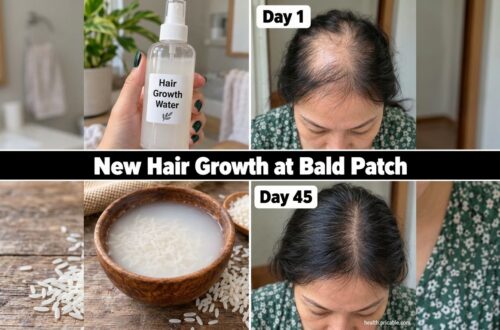
Most people focus on the vibrant, sweet fruit of the papaya tree, overlooking what many traditional herbalists consider its hidden gem: the humble papaya flower. While the fruit gets all the attention, these delicate blooms have a long history of traditional use, especially for supporting the body’s natural functions. If you’re exploring natural ways to support your liver, you might be surprised to learn what these small flowers can offer.
This guide will walk you through preparing and using papaya flowers as a simple, home-based remedy for liver support. Forget the complex elixirs; we’ll focus on practical, actionable steps to incorporate this traditional ingredient into your routine.
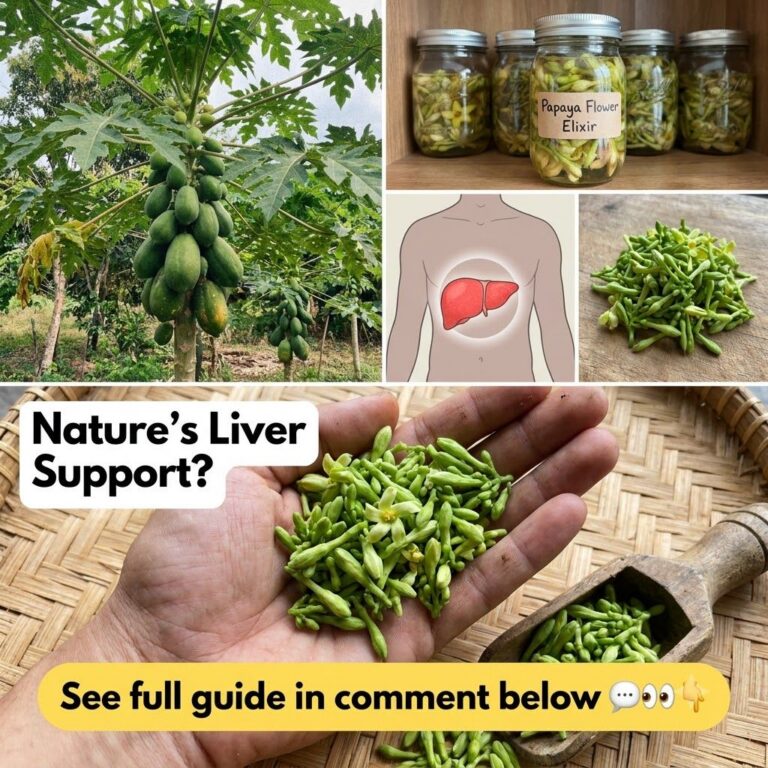
What Are Papaya Flowers?
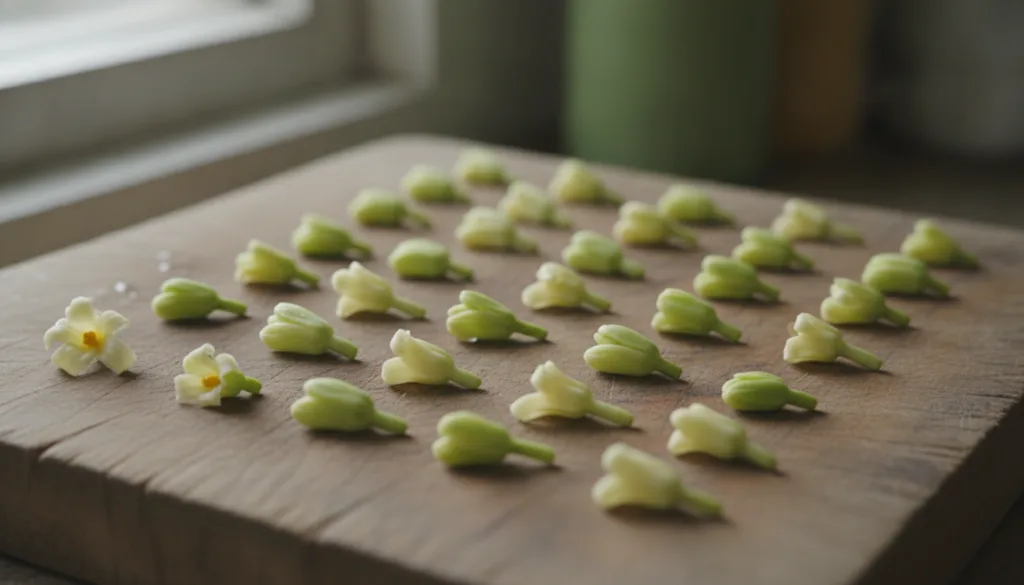
Papaya flowers are the small, often white or yellow-tinged blooms produced by the Carica papaya tree. They can be male, female, or hermaphroditic, depending on the plant. While they may not be as visually striking as other blossoms, their traditional use in various cultures points to their perceived wellness properties. For remedies, the small, unopened buds or freshly opened flowers are typically used.
Why Papaya Flowers for Liver Support?
Traditional practices have long utilized papaya flowers, often as a decoction or tea, for various internal applications. The focus on liver support stems from their traditional role in aiding digestion and detoxification processes, though modern scientific research is ongoing to fully understand these mechanisms. The flowers are rich in compounds that are believed to contribute to overall metabolic health.
Ingredients for Papaya Flower Tea
To prepare a simple liver-supportive tea, you’ll need just two core ingredients:
- Fresh Papaya Flowers: About 1/4 to 1/2 cup, loosely packed.
- Water: 2 cups (approximately 500ml).
Optional Additions:
- Honey or Maple Syrup: To taste, if you prefer a sweeter brew.
- Lemon Slice: For a refreshing twist and added zest.
Approximate Measurements
Precision isn’t always key in traditional remedies, but here’s a good starting point:
- Fresh Flowers: A small handful, roughly equivalent to 15-20 small buds or flowers.
- Dried Flowers: If using dried, reduce to 1-2 tablespoons per 2 cups of water, as they are more concentrated.
Formula / Recipe: Papaya Flower Decoction
This method extracts the beneficial compounds more thoroughly than a simple infusion.
Step-by-Step Method
- Gather & Clean: Carefully pick fresh papaya flowers. Ensure they are free from pesticides and thoroughly rinse them under cool water to remove any dust or small insects. If using dried flowers, skip this step.
- Prepare: Lightly crush fresh flowers or buds to help release their compounds. If using dried, no crushing is necessary.
- Combine: Place the cleaned flowers (fresh or dried) into a small saucepan. Add 2 cups of water.
- Simmer: Bring the water to a gentle boil, then reduce the heat to low. Allow the mixture to simmer for 10-15 minutes. This slow simmer is crucial for extracting the desired compounds.
- Strain: Remove the saucepan from the heat and let it cool slightly. Strain the liquid through a fine-mesh sieve or cheesecloth into a mug or jar, discarding the spent flowers.
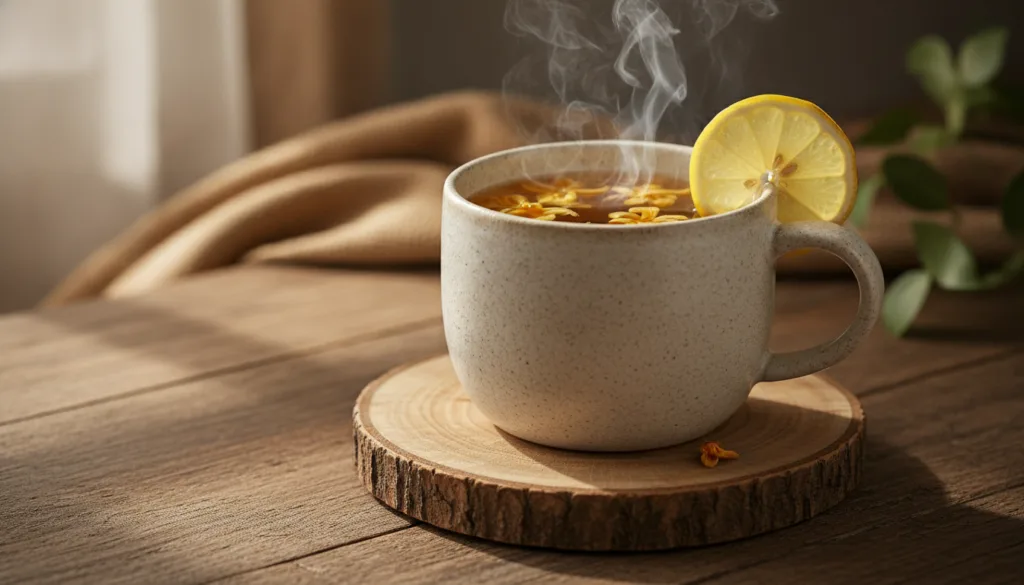
- Serve: Your papaya flower tea is ready. You can drink it warm or let it cool. Add honey or lemon if desired.
Quick Tip: Fresh vs. Dried
While fresh flowers are often preferred for their vibrancy, dried papaya flowers are a convenient alternative. If drying your own, spread clean flowers on a clean screen in a well-ventilated, shaded area until crisp. Store in an airtight container away from direct sunlight.
How to Use Your Papaya Flower Tea
Consume the prepared tea as a warm beverage. Its slightly bitter taste is characteristic of many traditional remedies, often indicative of beneficial compounds. You can enjoy it plain or with a touch of natural sweetener to balance the flavor.
How Often to Use
For general liver support, many traditional practices suggest drinking one cup of papaya flower tea once or twice daily. Consistency is often more important than quantity when integrating natural remedies into your routine. Listen to your body and adjust as needed.
How to Buy / How to Choose Ingredients
If you don’t have access to a papaya tree, sourcing quality flowers is key:
- Local Markets: Look for fresh papaya flowers in Asian or tropical fruit markets. Ask vendors about their sourcing and pesticide use.
- Online Herbal Suppliers: Dried papaya flowers can be found from reputable online herbal retailers. Always check for organic certification and purity.
- Grow Your Own: If you live in a suitable climate, growing a papaya tree is the best way to ensure a fresh, pesticide-free supply.
Always ensure the flowers are:
- Pesticide-Free: Crucial for any internal remedy.
- Clean & Healthy: Free from visible damage, mold, or pests.
Storage
Proper storage ensures the efficacy and safety of your remedy:
- Fresh Flowers: Use immediately after harvesting or store in a paper towel-lined bag in the refrigerator for up to 2-3 days.
- Dried Flowers: Store in an airtight glass jar in a cool, dark place for up to 6 months to a year.
- Prepared Tea: Store any leftover tea in an airtight container in the refrigerator for no more than 24-48 hours. Reheat gently, but ideally, brew fresh each time.
Practical Tips for Your Papaya Flower Remedy
- Taste Test: Papaya flower tea can have a distinct, slightly bitter taste. Start with a smaller amount of flowers if you’re sensitive, and gradually increase.
- Combine with Herbs: Some people combine papaya flowers with other liver-friendly herbs like dandelion root or milk thistle for a synergistic effect. (Consult an herbalist before combining).
- Mindful Sourcing: If harvesting from the wild, be 100% sure of your plant identification.
Common Mistakes to Avoid
- Using Sprayed Flowers: Never use flowers that have been treated with pesticides or herbicides. These chemicals can be harmful if ingested.
- Boiling Too Vigorously: A gentle simmer is preferred over a hard boil, which can degrade some delicate compounds.
- Improper Storage: Storing fresh flowers in a sealed plastic bag without ventilation can lead to mold. Storing dried flowers in humid conditions can also ruin them.
- Overuse: While generally considered safe, excessive consumption of any remedy can sometimes lead to unintended effects. Stick to recommended traditional dosages.
- Ignoring Your Body: Pay attention to how your body responds. If you experience any adverse reactions, discontinue use.
Cautions / Who Should Avoid It
While papaya flowers are generally considered safe for most adults, some individuals should exercise caution or avoid their use:
- Pregnancy and Breastfeeding: There is insufficient scientific evidence regarding the safety of papaya flowers during pregnancy and breastfeeding. It’s best to avoid them.
- Allergies: If you have a known allergy to papaya fruit or latex, you may also be sensitive to the flowers.
- Medication Interactions: If you are taking any prescription medications, especially blood thinners or diabetes medications, consult with a healthcare professional before incorporating new herbal remedies, as interactions are possible.
- Pre-existing Conditions: Individuals with serious liver conditions or other chronic illnesses should always consult their doctor before using any natural remedy.
Quick Summary: Your Papaya Flower Guide
- Best Preparation: A gentle decoction (simmer) to extract compounds.
- Best Use-Case: As a daily tea for general liver support.
- Storage: Fresh flowers for 2-3 days refrigerated, dried for up to a year in an airtight container, prepared tea for 24-48 hours refrigerated.
- When to Use: Once or twice daily, as part of a wellness routine.
- What to Avoid: Pesticide-sprayed flowers, hard boiling, improper storage, and use during pregnancy/breastfeeding without medical advice.
FAQ
- Can I use fresh or dried papaya flowers?
Yes, both fresh and dried flowers can be used. Adjust the quantity accordingly (more fresh, less dried) due to concentration. - How long does papaya flower tea last?
Ideally, brew fresh for each use. Leftover tea can be refrigerated for 24-48 hours. - What part of the flower is best?
Small, unopened buds or freshly opened flowers are generally preferred for remedies. - How often should I drink this tea?
Traditionally, one to two cups per day is a common recommendation for consistent support. - Can I add other ingredients to the tea?
Lemon, honey, or a touch of ginger can enhance the flavor. Consult an herbalist before adding other medicinal herbs. - Is it okay to sweeten the tea?
Yes, a natural sweetener like honey or maple syrup can be added to temper the natural bitterness. - When should I avoid papaya flower tea?
Avoid if pregnant, breastfeeding, allergic to papaya, or taking certain medications without consulting a healthcare professional.
Papaya flowers offer a simple, accessible way to explore traditional plant-based support for your liver. By understanding the proper preparation, usage, and necessary precautions, you can confidently incorporate this often-overlooked bloom into your natural wellness regimen.
You may also like: DIY Turmeric Ginger Anti-Inflammatory Tonic
Read more: Herbal Teas for Digestive Health: A Complete Guide