Unlock Unexpected Benefits: Transform Wild Greens into Delicious Pesto You Wish You Knew Sooner!
Many of us are constantly seeking ways to infuse more vitality and whole foods into our daily diets, often feeling disconnected from the source of our nourishment. We yearn for fresh flavors and nutrient-dense ingredients but might overlook the incredible bounty available right at our fingertips. What if we told you that some of the most beneficial and flavorful additions to your meals could be found flourishing naturally around you? Most people never realize the abundance of nutritious ingredients thriving right outside their door, often overlooking the simple culinary magic they can create with a little knowledge and creativity.
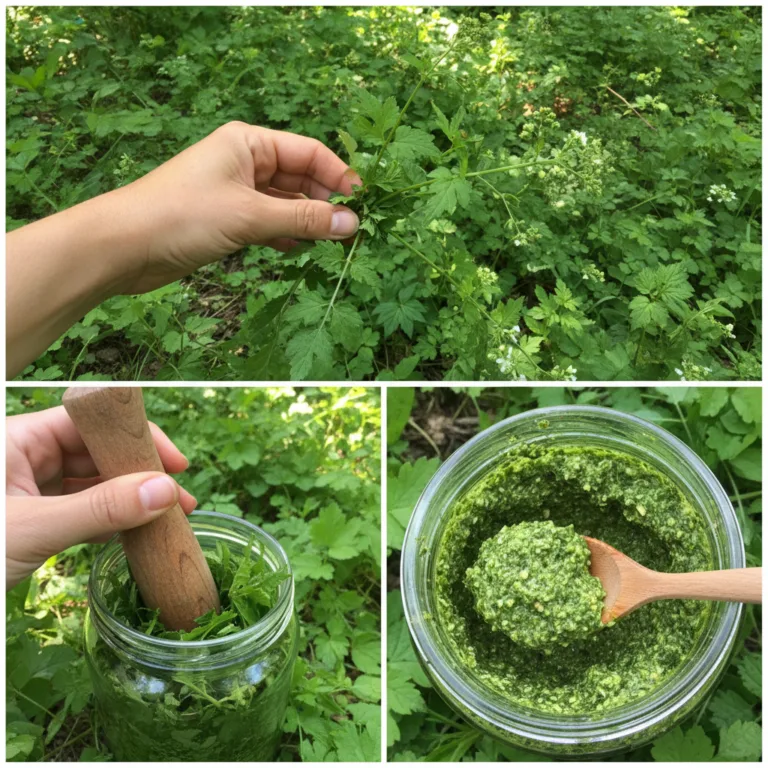
Ingredients
- 2 cups packed fresh wild greens (e.g., dandelion leaves, nettle, lamb’s quarters, plantain, wild arugula). Ensure greens are clean, free of pesticides, and correctly identified.
- 1/2 cup nuts (pine nuts, walnuts, or cashews work well), lightly toasted for deeper flavor.
- 2-3 cloves garlic, peeled.
- 1/2 cup extra virgin olive oil (or more, to achieve desired consistency).
- 1/4 cup freshly grated Parmesan cheese (optional, omit for dairy-free).
- 1 tablespoon fresh lemon juice.
- 1/2 teaspoon sea salt (or to taste).
- Pinch black pepper (or to taste).
How to Prepare
- Carefully wash and thoroughly dry your wild greens. Excess water can dilute the pesto’s flavor and texture.
- Combine the wild greens, toasted nuts, garlic, lemon juice, salt, and pepper in a food processor.
- Pulse until the mixture is coarsely chopped.
- With the food processor running on low, slowly drizzle in the olive oil until a smooth, yet slightly chunky, paste forms. Stop adding oil when you reach your desired consistency.
- If using, add the Parmesan cheese and pulse a few more times until just combined. Avoid over-processing after adding cheese to maintain its texture.
- Taste and adjust seasonings as needed.
How to Use + Best Time to Take
Wild greens pesto is incredibly versatile! It’s an excellent addition to almost any meal. You can:
- Toss it with pasta for a quick and flavorful dinner.
- Spread it on sandwiches, wraps, or toast as a vibrant condiment.
- Dollop it onto grilled chicken, fish, or roasted vegetables.
- Mix it into scrambled eggs or frittatas for a nutritional boost.
- Stir it into soups or stews for an herbaceous depth of flavor.
There isn’t a single ‘best’ time to take it; enjoy it whenever you wish to add a burst of fresh flavor and nutrition to your meal. Its rich taste can be quite satisfying, making it a wonderful way to enhance lunch or dinner.
Why It Works (Science Insight)
This wild greens pesto is a powerhouse of nutrition, thanks to its thoughtfully chosen ingredients:
- Wild Greens: Often more nutrient-dense than their cultivated counterparts, wild greens like dandelion and nettle are rich in vitamins A, C, and K, as well as minerals like iron and calcium. They contain potent antioxidants and phytochemicals that support overall cellular health and can help combat oxidative stress.
- Olive Oil: A cornerstone of the Mediterranean diet, extra virgin olive oil provides healthy monounsaturated fats, which are known to support cardiovascular health and reduce inflammation. Its polyphenols also contribute to its antioxidant properties.
- Nuts: Whether pine nuts, walnuts, or cashews, they offer healthy fats, protein, fiber, and various micronutrients like vitamin E, magnesium, and selenium. These contribute to satiety, brain health, and provide additional antioxidants.
- Garlic: Beyond its pungent flavor, garlic is renowned for its allicin compound, which has potent antimicrobial and anti-inflammatory effects. It can support immune function and may play a role in gut health.
- Lemon Juice: Provides a fresh, bright flavor and a good dose of vitamin C, an essential antioxidant that supports immune health and collagen production.
Together, these ingredients create a synergistic blend that supports digestion, provides essential nutrients for liver function, and offers a broad spectrum of compounds known to help reduce inflammation throughout the body.
Who Benefits Most
- Those looking to diversify their diet with nutrient-rich, unprocessed foods.
- Individuals interested in foraging and connecting with local, seasonal ingredients.
- Anyone seeking natural ways to support their digestive health and boost antioxidant intake.
- Cooks who enjoy experimenting with fresh, vibrant flavors in their culinary creations.
Quick Notes / Safety / Simple Adjustments
- Foraging Safety is Paramount: Only forage greens you can 100% confidently identify. Many wild plants are toxic. If in doubt, do not eat it. Avoid foraging in areas that may be contaminated by pesticides, herbicides, or heavy traffic.
- Storage: Store your homemade pesto in an airtight container in the refrigerator for up to 5-7 days. To prolong its life, pour a thin layer of olive oil over the surface before sealing; this helps prevent oxidation. Pesto also freezes beautifully in ice cube trays or small containers for up to several months.
- Customization: Feel free to experiment with different nuts, add a touch of chili flakes for heat, or incorporate other fresh herbs like basil or parsley alongside your wild greens for a unique flavor profile. For a vegan option, simply omit the Parmesan cheese or substitute it with nutritional yeast.