Unlock the Unexpected Truth About Rosary Pea: Beauty, Lore, and a Hidden Peril You Must Know
In our fascination with the natural world, we often encounter plants of stunning beauty. Yet, some hold secrets far more profound than their aesthetic appeal suggests, secrets that intertwine ancient lore with a potent, hidden danger. Most people never realize the profound duality contained within the striking form of the Rosary Pea, a plant whose vibrant seeds have captivated humanity for centuries, often with unforeseen consequences.
What is the Rosary Pea? Key Characteristics
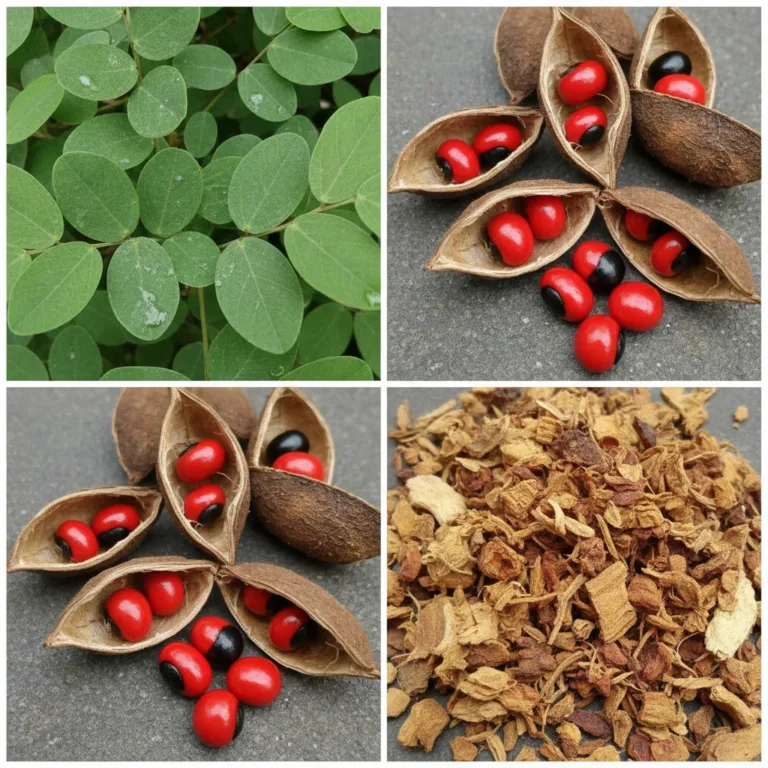
Known botanically as Abrus precatorius, the Rosary Pea is a slender, perennial climber native to tropical and subtropical regions. Its most distinctive features include:
- Leaves: Delicate, pinnate leaves with numerous small, opposite leaflets, giving it a fern-like appearance.
- Flowers: Small, pale purple to pink flowers that grow in dense clusters.
- Pods: Short, oblong pods that split open when dry, revealing the magnificent seeds within.
- Seeds: The plant’s hallmark. These tiny, oval seeds are typically bright scarlet red with a prominent black spot (hilum) at one end, though variations in color (white, black, or mottled) can occur. Their hard, glossy exterior makes them visually striking.
Historically, these seeds have been used as beads in jewelry and prayer rosaries, a practice that lends the plant its common name.
How to Handle (Not Prepare) Rosary Pea
Given its extreme toxicity, the Rosary Pea is not a plant to be ‘prepared’ for any use in the traditional sense. Handling its seeds requires utmost caution. If you encounter the plant or its seeds in the wild, it is best to observe from a safe distance without touching them. If handling is absolutely unavoidable (e.g., for educational identification by experts in a controlled environment), always use thick gloves and eye protection. Ensure no contact with open wounds, and wash hands thoroughly with soap and water immediately afterward. Under no circumstances should the seeds be crushed, chewed, or ingested, as this releases the potent toxin.
Not for Use: A Critical Warning
This section is crucial: The Rosary Pea is NOT for internal consumption, external application, or any form of self-medication. There is no safe way to ‘use’ any part of this plant for health purposes. Its seeds are highly poisonous, and even a small amount can be lethal. Any information about traditional uses should be viewed strictly from a historical and cultural perspective, not as an endorsement for current practice. The risks far outweigh any perceived benefits.
Why It Works (As a Toxin) – Science Insight
The danger of the Rosary Pea lies in a potent protein called **abrin**. Abrin is a ribosome-inactivating protein, which means it interferes with the cellular machinery responsible for making proteins. When abrin enters the body, it quickly halts protein synthesis, leading to cell death and widespread organ failure. It is significantly more toxic than ricin, the toxin found in castor beans.
- Mechanism: Abrin binds to cell surfaces and then enters the cell, where it deactivates ribosomes, shutting down essential protein production.
- Effects: Ingestion of even a single chewed or broken seed can lead to severe symptoms including nausea, vomiting, abdominal pain, diarrhea, and internal bleeding, followed by multi-organ failure. Symptoms may have a delayed onset, sometimes appearing hours or even days after exposure, making it particularly insidious.
- Routes of Exposure: The primary danger comes from ingesting broken or chewed seeds. However, skin contact, especially with open wounds, or inhalation of abrin dust can also be hazardous.
Understanding this scientific insight is not to create fear, but to foster respect for the powerful, complex chemistry found in nature and to reinforce the importance of caution.
Who Needs to Know About It
Awareness of the Rosary Pea’s dangers is vital for a broad audience:
- Parents and Educators: To teach children about poisonous plants and the importance of not putting unknown objects in their mouths.
- Gardeners and Botanists: For safe identification and management, especially in regions where it grows natively or has become naturalized.
- Travelers: To recognize the plant and its seeds when visiting tropical and subtropical areas.
- Craftspeople and Jewelers: To avoid using raw Rosary Pea seeds in any crafts, especially those that might come into contact with skin or be handled frequently.
- Pet Owners: To prevent pets from ingesting seeds.
Ultimately, anyone who might come into contact with exotic plants should be informed.
Quick Notes / Safety / Simple Adjustments
- Never Ingest: Reiterate that no part of the Rosary Pea plant, especially the seeds, should ever be consumed.
- Exercise Extreme Caution: Avoid direct skin contact with broken seeds. If you must handle them (e.g., for removal from an area), use heavy-duty gloves.
- Keep Out of Reach: Store any decorative items made from properly treated Rosary Pea seeds (if applicable, though generally discouraged) far out of reach of children and pets. Better yet, avoid such items altogether.
- Seek Immediate Medical Attention: If accidental ingestion or exposure is suspected, even if symptoms are not yet apparent, seek emergency medical help immediately. Do not wait for symptoms to develop.
- No Self-Treatment: Do not attempt traditional remedies or self-treatment for abrin poisoning. This is a medical emergency requiring professional intervention.
While the Rosary Pea holds a fascinating place in cultural history with its striking beauty, its inherent toxicity demands our utmost respect and caution. Awareness is the first step in ensuring safety.