Get ready to pamper your feet with a simple, traditional remedy designed to help transform dry, cracked heels into a soft, smooth appearance.

Quick Recipe
Prep time: 5-10 minutes
Best for: Dry, rough, and cracked heels
Use type: Cream/Paste
Main ingredients:
- Petroleum Jelly (or Shea Butter)
- Fresh Lemon Juice
- Vegetable Glycerin (optional)
Ingredients
- 3 tablespoons petroleum jelly (or unrefined shea butter for a natural alternative)
- 1 tablespoon fresh lemon juice
- 1 teaspoon vegetable glycerin (for extra moisture-attracting benefits, optional)
How to Make It
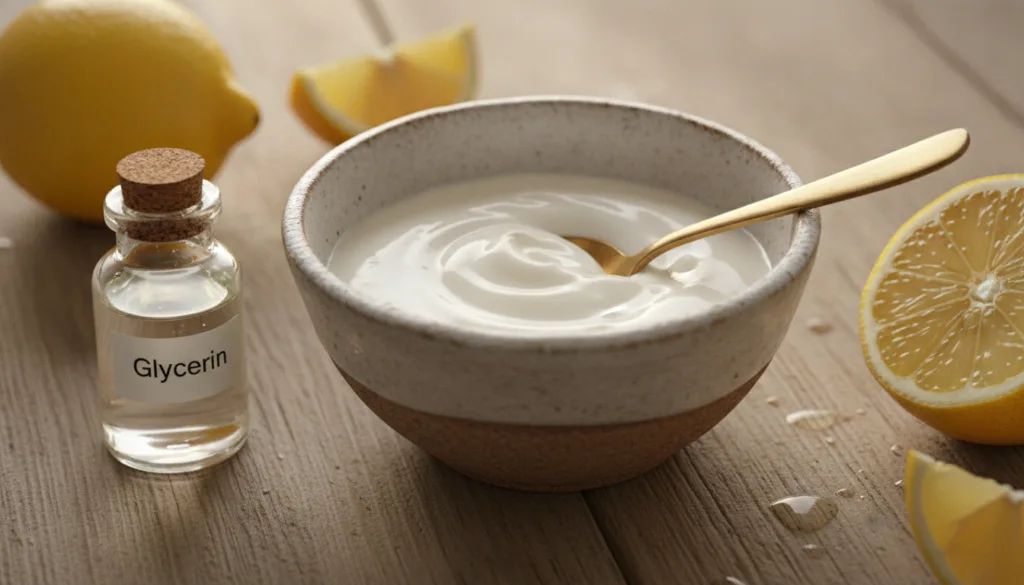
- If using petroleum jelly or shea butter, scoop it into a small, clean bowl. If it’s very solid, you can gently warm it in a microwave for a few seconds (avoid making it liquid) to make mixing easier.
- Add the fresh lemon juice to the bowl.
- If you’re using vegetable glycerin, add it now.
- Mix all ingredients thoroughly with a spoon or a small whisk until you achieve a smooth, consistent creamy paste.
- Transfer the mixture to a clean, airtight container, like a small jar, for storage.
How to Use It
- Start by soaking your feet in warm water for 10-15 minutes to soften the skin. You can add a handful of Epsom salts for extra relaxation.
- Pat your feet dry with a clean towel, paying special attention to the heels.
- Apply a generous layer of your homemade heel cream directly to your dry and cracked heels. Gently massage it in for a minute or two.
- For best results, especially if you have very dry heels, cover your feet with cotton socks immediately after application and leave them on overnight.

How Often to Use It
For best results, use this remedy daily, preferably before bedtime, until you notice significant improvement in the softness and appearance of your heels. Once your heels feel smoother, you can reduce usage to 2-3 times a week for maintenance.
Why These Ingredients Are Used
Petroleum Jelly (or Shea Butter)
Petroleum jelly is a powerful occlusive agent, meaning it creates a protective barrier on the skin that locks in moisture, helping to hydrate and soften severely dry skin. Shea butter offers similar intense moisturizing and emollient properties, rich in vitamins and fatty acids that nourish the skin.
Fresh Lemon Juice
Lemon juice contains natural alpha-hydroxy acids (AHAs), which can act as a mild exfoliant, helping to shed dead skin cells and reveal brighter, smoother-looking skin. It also has astringent properties that can help purify the skin. Always use caution when applying to broken skin.
Vegetable Glycerin
Glycerin is a humectant, meaning it attracts moisture from the air and draws it into the skin. This helps to keep the skin deeply hydrated and supple, enhancing the softening effects of the other ingredients.
What Results to Expect
With consistent use, you can expect your heels to feel noticeably softer and smoother. The appearance of dryness and cracking may diminish, leading to healthier-looking feet. This remedy aims to support your skin’s natural ability to repair itself and maintain moisture.
Safety Notes
- Always perform a patch test on a small area of skin before applying the remedy fully, especially if you have sensitive skin.
- If you have deep, bleeding cracks, consult a healthcare professional before trying any home remedies. Avoid applying lemon juice to open wounds as it may cause irritation.
- Use this remedy gently. Do not scrub or apply harsh pressure.
- Stop using it immediately if you experience any discomfort, redness, itching, or irritation.
- Lemon juice can increase sun sensitivity. While applying to feet usually isn’t an issue, be mindful if you plan extended sun exposure after application.
FAQ
Can I use this remedy if my heels are very deeply cracked?
If your heels have very deep or bleeding cracks, it’s best to consult a doctor or podiatrist before using any home remedies, as certain ingredients like lemon juice could cause irritation to open wounds. Focus on gentle moisturization until the cracks begin to heal.
How long does it take to see results from this DIY heel remedy?
Results can vary depending on the severity of your cracked heels and your consistency in using the remedy. Many people notice a difference in softness and hydration within a week of daily use, with significant improvements over 2-4 weeks.
Are there any alternatives if I don’t have lemon juice or glycerin?
Yes, for an alternative to lemon juice, you could use a small amount of apple cider vinegar (diluted with water if sensitive), or simply omit it for a purely moisturizing cream. If you don’t have glycerin, you can still make an effective cream with just petroleum jelly/shea butter and a nourishing oil like olive or almond oil for added benefits.
Final Thoughts
Embrace the wisdom of traditional home remedies and give your feet the tender loving care they deserve. This ‘Grandma’s Secret’ DIY cream is a simple, yet effective way to help achieve those baby-soft heels you’ve been dreaming of. Try it out and share your journey to smoother, happier feet in the comments below!