Most people focus on the sweet fruit of the guava tree, completely overlooking the powerful secret held within its humble leaves. While the fruit is a tropical delight, traditional herbalists often reach for the leaves when seeking a gentle, natural fix for common respiratory issues. It’s a simple remedy, often found right in your backyard, yet its potential for soothing coughs, clearing congestion, and supporting overall lung health remains surprisingly underrated.
You might be wondering how a leaf could offer such relief when so many over-the-counter options exist. The truth is, sometimes the most effective solutions are found where we least expect them, in nature’s own pharmacy. One small preparation mistake, however, can dilute its effectiveness, so knowing the correct method is key to harnessing its full power.
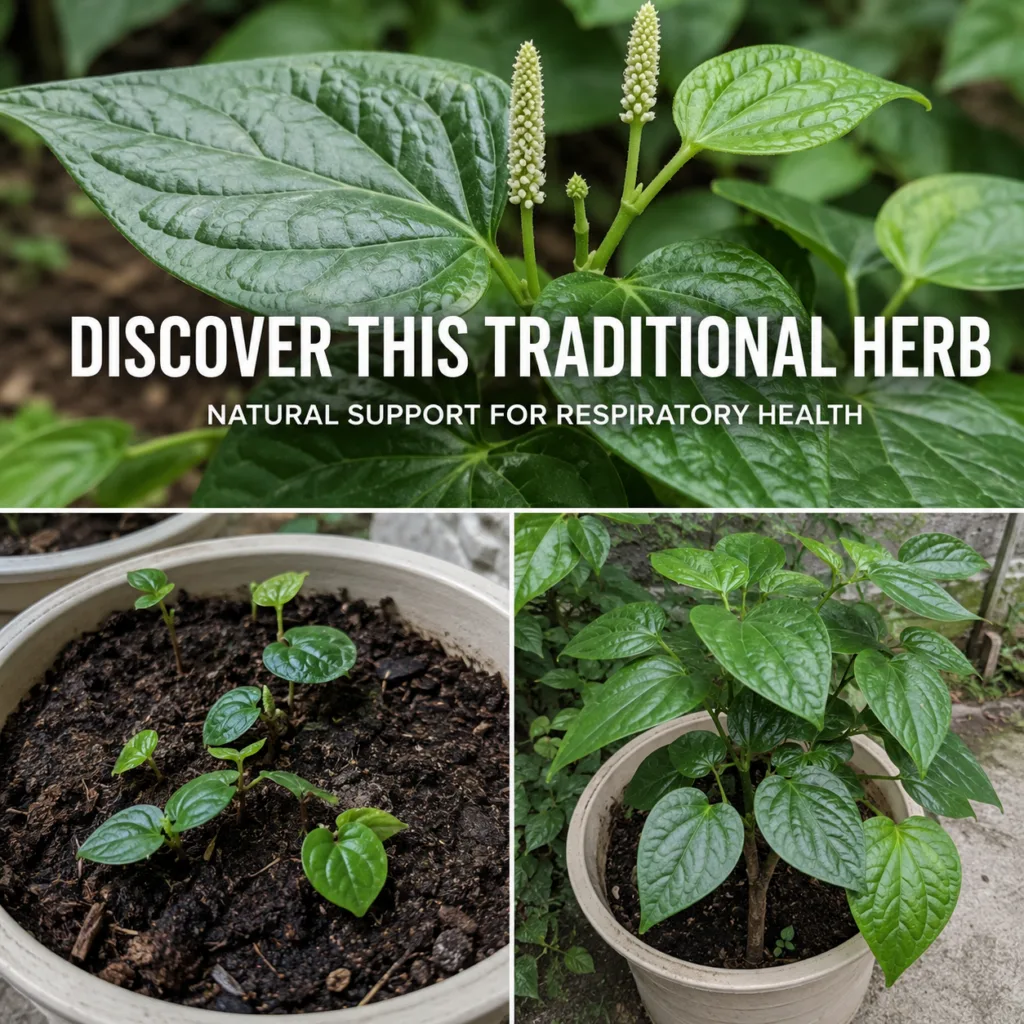
What Guava Leaves Are and Why They Work
Guava (Psidium guajava) is a tropical tree, and while its fruit is famous, its leaves are a treasure trove of beneficial compounds. Historically, various cultures have turned to guava leaves for their medicinal properties, particularly for issues related to inflammation and infection. For respiratory health, the leaves are packed with antioxidants, anti-inflammatory agents, and compounds that can act as natural expectorants.
Specifically, guava leaves contain quercetin, which is known for its antihistamine properties, and various polyphenols and flavonoids that combat oxidative stress. These components work synergistically to help calm inflamed airways, reduce mucus production, and alleviate irritation in the throat and lungs. This makes a simple guava leaf preparation surprisingly effective for conditions like a persistent cough, sore throat, or general chest congestion.
Ingredients for a Soothing Guava Leaf Tea
Creating your own guava leaf remedy is straightforward, requiring only a few basic items. The quality of your leaves makes all the difference, so always aim for fresh, clean, and healthy specimens.
- Fresh Guava Leaves: 10-15 medium-sized leaves, undamaged and vibrant green.
- Water: 2 cups (approximately 500ml), filtered if possible.
- Optional additions: Honey (to taste), a slice of lemon, a small piece of ginger for added soothing effects.
Approximate Measurements
The measurements provided are a good starting point for a potent yet palatable tea. Adjust according to your preference and the strength of the leaves you are using.
- Guava Leaves: About 10-15 leaves per 2 cups of water.
- Water: 2 cups per serving.
- Honey: 1-2 teaspoons, or to taste.
- Lemon: 1 thin slice.
- Ginger: A small thumb-sized piece, thinly sliced.
Formula / Recipe: Guava Leaf Brew
This simple formula creates a comforting tea that can be consumed warm for maximum benefit.
- Rinse the guava leaves thoroughly under cold running water.
- Bring water to a boil in a small pot.
- Add the rinsed guava leaves to the boiling water.
- Reduce heat and simmer gently for 10-15 minutes.
- Strain the liquid, discarding the leaves.
- Pour into a mug, adding optional honey, lemon, or ginger.
Step-by-Step Method
- Select and Rinse: Carefully pick 10-15 healthy, mature guava leaves. Ensure they are free from pests or damage. Rinse them thoroughly under cool running water to remove any dirt, dust, or residue.
- Boil Water: In a non-reactive pot (stainless steel or glass is ideal), bring 2 cups of filtered water to a rolling boil.
- Add Leaves: Once the water is boiling, carefully add the cleaned guava leaves. You can lightly crush them before adding to release more of their compounds, but it’s not strictly necessary.
- Simmer: Reduce the heat to a low setting, allowing the water to simmer gently. Cover the pot to prevent the steam, and thus some volatile compounds, from escaping. Simmer for about 10 to 15 minutes. You’ll notice the water changing to a light reddish-brown or greenish hue.
- Strain: After simmering, remove the pot from the heat. Using a fine-mesh strainer or cheesecloth, strain the liquid into a mug or heat-resistant container, separating the spent leaves. Discard the leaves.
- Serve: Your guava leaf tea is now ready. For added flavor and benefits, stir in a teaspoon or two of honey (known for its cough-soothing properties) and a slice of fresh lemon or ginger.
Quick Tip: Fresh vs. Dried Leaves
While fresh leaves are often preferred for their potency and aroma, dried guava leaves can also be used. If using dried leaves, reduce the quantity by about half (5-7 leaves for 2 cups of water) as they are more concentrated. Steep them for a slightly longer period, around 15-20 minutes, to ensure full extraction of compounds.
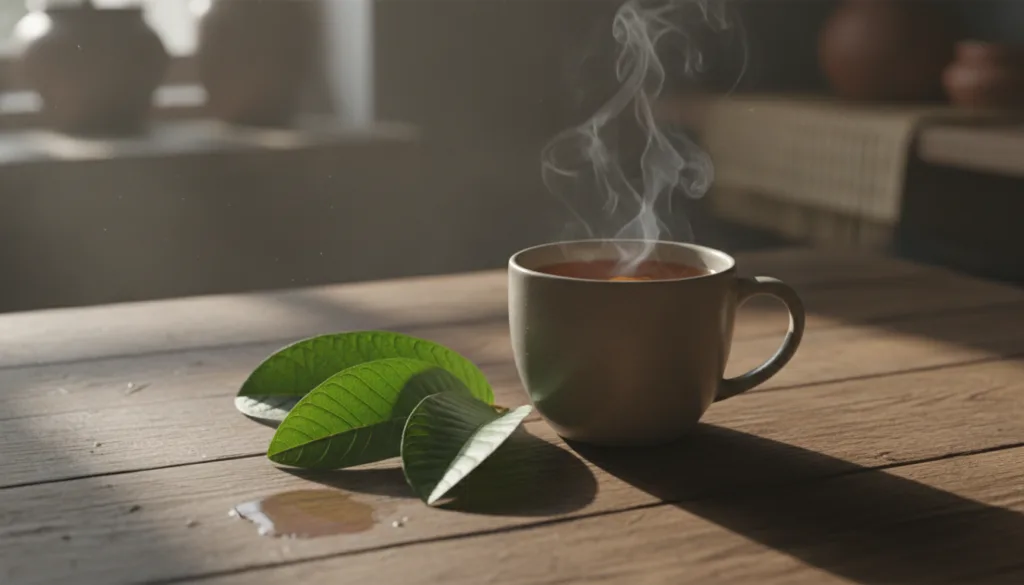
How to Use and How Often to Use
The primary way to use guava leaves for respiratory health is by drinking the tea. It’s best consumed warm, not scalding hot, to maximize its soothing effect on the throat and airways.
- For General Soothing: Drink 1 cup, 1-2 times a day, especially when you feel the onset of a cough or a sore throat.
- For Congestion/Cough: You can increase to 2-3 times a day during periods of discomfort.
- Best Time to Take: Many find it most beneficial in the morning to help clear airways, and again before bed to promote a restful night free from coughing. Avoid taking it immediately after a heavy meal if you tend to experience digestive sensitivity.
Consistency is key. While it’s not an instant cure, regular consumption during a period of respiratory discomfort can provide sustained relief.
Who Benefits Most from Guava Leaf Remedies?
Guava leaf tea is particularly beneficial for individuals experiencing mild to moderate respiratory discomfort. This includes:
- Those with Seasonal Coughs: Helps to soothe irritated throats and reduce the frequency of coughing spells.
- Individuals with Sore Throats: The anti-inflammatory properties can help calm throat irritation.
- People with Mild Congestion: Acts as a gentle expectorant, helping to loosen and expel mucus.
- Anyone seeking a natural, herbal alternative to complement their approach to respiratory wellness.
It’s important to remember that this is a supportive remedy, not a substitute for professional medical advice, especially for severe or chronic conditions.
Practical Tips for Enhancing Your Brew
- Add a Pinch of Spice: A tiny pinch of black pepper or a small piece of cinnamon stick can enhance the warming properties and flavor of your tea.
- Cooling Inhalant: For direct respiratory relief, you can also inhale the steam from the freshly brewed tea before drinking it. Cover your head with a towel and lean over the pot for a few minutes.
- Batch Brewing: If you plan to drink it regularly, you can brew a larger batch and store it in the refrigerator for up to 2 days. Reheat gently before serving.
Did You Know: The Best Time to Harvest Guava Leaves
The most potent guava leaves are typically harvested in the early morning, after the dew has dried but before the intense heat of the day. Choose mature, dark green leaves from healthy, well-established plants for the highest concentration of beneficial compounds.
Common Mistakes to Avoid
Even a simple remedy can be less effective if common pitfalls are not avoided.
- Using Damaged or Unhealthy Leaves: Always select fresh, vibrant, and undamaged leaves. Yellowed, spotted, or pest-eaten leaves will have fewer beneficial compounds and may introduce unwanted elements.
- Boiling Too Vigorously or Too Long: While a simmer is good, a hard boil for an extended period can destroy some of the volatile compounds and reduce the potency of the tea. Stick to a gentle simmer for 10-15 minutes.
- Not Rinsing Leaves Properly: This is a crucial step to remove dirt, dust, and potential pesticides if the leaves are not organic.
- Overusing: While generally safe, excessive consumption can sometimes lead to mild digestive upset in sensitive individuals. Stick to recommended dosages.
- Storing Improperly: Leaving fresh leaves exposed to air will dry them out quickly and reduce their potency. Storing the prepared tea for too long can also lead to spoilage.
How to Choose and Buy Guava Leaves
Sourcing quality guava leaves is essential for an effective remedy. Here’s what to look for:
| Source | What to Look For | Considerations |
|---|---|---|
| Fresh from a Tree | Vibrant green, no spots or damage, flexible. | Ensure the tree is not sprayed with pesticides. Harvest in the morning. |
| Asian/Specialty Markets | Packaged fresh leaves, bright green, firm. | Check expiry dates, inquire about sourcing/organic status. |
| Dried Leaves/Tea Bags | Reputable brands, clearly labeled, minimal additives. | Check ingredients to ensure pure guava leaf. Dried leaves are less potent per volume. |
Storage Solutions for Fresh and Dried Guava Leaves
Proper storage maintains the efficacy of your guava leaves.
- Fresh Leaves: Store fresh leaves in a breathable bag (like a paper bag or a plastic bag with a few holes) in the refrigerator for up to 3-5 days. For longer storage, you can gently pat them dry and freeze them in a single layer, then transfer to an airtight container, lasting for several months.
- Dried Leaves: Keep dried guava leaves in an airtight container, away from direct sunlight and moisture, in a cool, dark pantry. They can retain potency for up to 6 months to a year.
- Prepared Tea: Brewed tea can be stored in a sealed container in the refrigerator for up to 2 days.
Cautions and Who Should Avoid Guava Leaf Remedies
While generally considered safe for most, some individuals should exercise caution or avoid guava leaf remedies:
- Pregnancy and Breastfeeding: Limited research exists, so it’s best to consult a healthcare professional before use.
- Individuals with Diabetes: Guava leaves may lower blood sugar levels. Monitor blood sugar closely if you are diabetic and consuming guava leaf tea.
- Surgery: Due to potential effects on blood sugar, discontinue use at least two weeks before a scheduled surgery.
- Allergies: If you are allergic to guava fruit or other members of the Myrtaceae family, avoid the leaves.
- Digestive Sensitivity: High doses may cause temporary constipation in some individuals. Start with a lower dose to assess tolerance.
Always consult with a healthcare professional, especially if you have underlying health conditions or are taking medications, before incorporating any new herbal remedy into your routine.
Quick Summary
Guava leaf tea offers a natural, soothing approach to respiratory discomfort. It’s best prepared by simmering 10-15 fresh, clean leaves in 2 cups of water for 10-15 minutes. Consume warm, 1-3 times daily, to help alleviate coughs, sore throats, and congestion. Store fresh leaves in the refrigerator for short term or freeze for longer, and dried leaves in an airtight container. Avoid using damaged leaves, over-boiling, and overuse. Always consult a doctor if you have chronic conditions or are pregnant.
FAQ
- Can I use dried guava leaves instead of fresh? Yes, you can. Use about half the quantity of dried leaves (5-7 leaves per 2 cups of water) and steep for slightly longer (15-20 minutes).
- How long does brewed guava leaf tea last? Brewed tea can be stored in a sealed container in the refrigerator for up to 2 days.
- Can I refrigerate fresh guava leaves? Yes, store them in a breathable bag in the refrigerator for 3-5 days. For longer storage, you can freeze them.
- How often should I drink guava leaf tea for a cough? For a cough or sore throat, 2-3 times a day is generally recommended during periods of discomfort.
- What part of the guava plant is best for this remedy? The mature leaves are the primary part used for respiratory remedies due to their concentration of beneficial compounds.
- When should I avoid guava leaf tea? Avoid or consult a doctor if pregnant, breastfeeding, diabetic, scheduled for surgery, or if you have known allergies to guava.
- Will it interact with my medications? While generally safe, if you are on medication, especially for diabetes, it’s always best to consult your doctor before starting any new herbal remedy.
Conclusion
Guava leaves, often overshadowed by their sweet fruit, hold a remarkable potential for supporting respiratory wellness. With a simple preparation and consistent use, this natural remedy can offer significant relief from common discomforts like coughs and sore throats. By understanding the correct methods for brewing, using, and storing, you can effectively integrate this accessible herb into your natural health routine. Embrace the power of the overlooked guava leaf and find a gentle, yet effective, ally for your respiratory health.