Understanding the unique benefits of different protein sources can significantly impact your daily vitality and long-term wellness. In our pursuit of health, we often focus on the macros and micros, but how well do you truly know the powerhouses that fuel your body? This article, inspired by our latest healthy infographic, will dive deep into essential vitamins and, more importantly, help you navigate the world of protein to choose the right sources that align with your specific health goals.
From boosting immunity to building strong muscles and supporting cognitive function, the food we eat plays a monumental role. Let’s explore how to nourish your body and enrich your life with informed dietary choices.
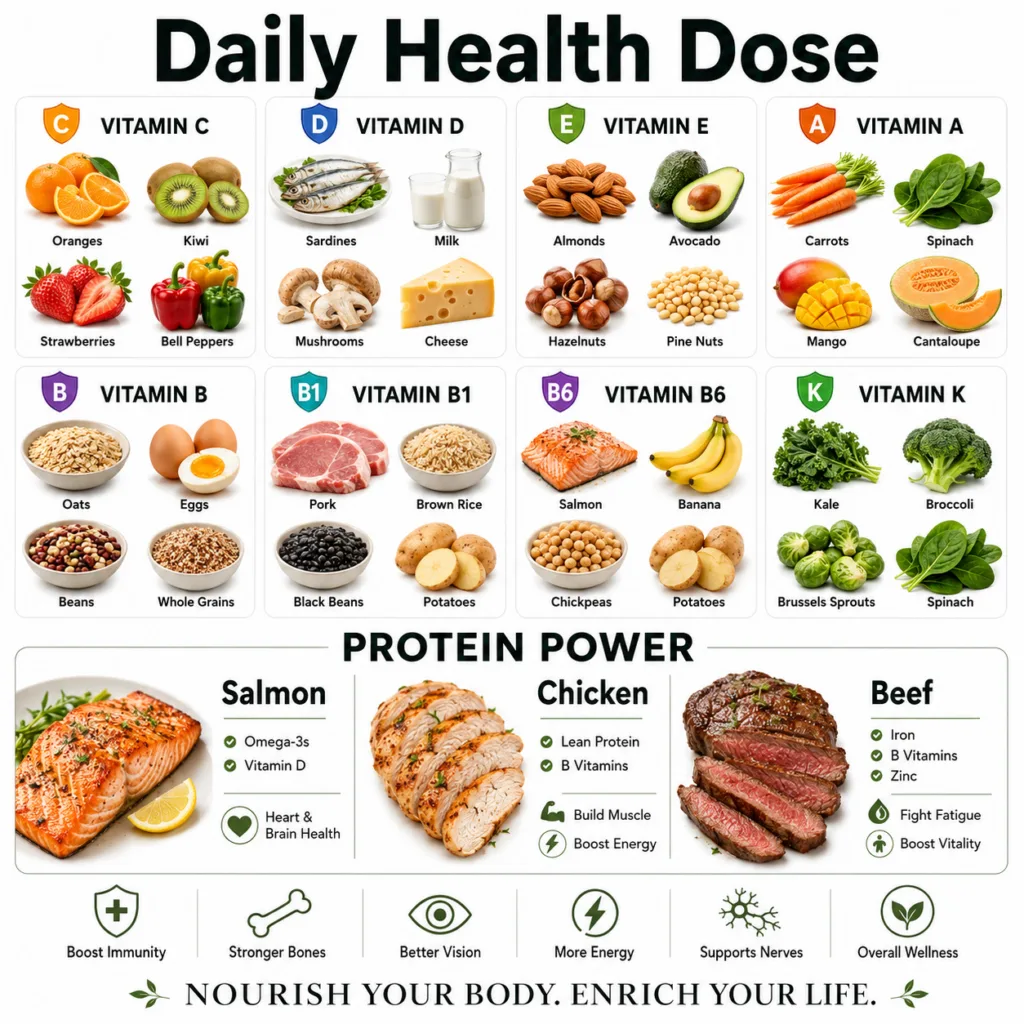
Essential Vitamins for Your Daily Health Dose
Vitamins are micronutrients that play critical roles in almost all bodily functions, from immune support to bone health. Ensuring you get a balanced intake of these essential nutrients through your diet is fundamental to eating well and living well. Here’s a closer look at key vitamins and their natural food sources.
Vitamin C: Your Immunity Booster
Often hailed for its immune-boosting properties, Vitamin C is a powerful antioxidant crucial for tissue repair, collagen formation, and protecting cells from damage. It’s also vital for healthy skin and gums.
- Food Sources: Oranges, Kiwi, Bell Peppers, Strawberries, Mango, Cantaloupe.
Adding these vibrant fruits and vegetables to your daily meals can significantly contribute to your Vitamin C intake, especially during cold and flu season.
Vitamin D: The Sunshine Vitamin
Known as the ‘sunshine vitamin,’ Vitamin D is unique because our bodies can produce it when exposed to sunlight. However, dietary sources are also important for maintaining healthy levels. It’s essential for calcium absorption, bone health, and plays a role in immune function and mood regulation.
- Food Sources: Sardines, Milk, Eggs, Mushrooms.
Including these foods, alongside safe sun exposure, can help ensure your bones stay strong and your immune system is robust.
Vitamin E: Antioxidant Powerhouse
Vitamin E is another potent antioxidant that helps protect your cells from oxidative stress and free radical damage. It’s also important for skin health and plays a role in immune function.
- Food Sources: Almonds, Avocado, Pine Nuts, Hazelnuts.
Incorporating a handful of nuts or a slice of avocado into your diet is a simple way to boost your Vitamin E intake.
Vitamin K: For Blood and Bones
This often-overlooked vitamin is crucial for blood clotting and maintaining strong, healthy bones. It works in conjunction with Vitamin D and calcium to support bone mineral density.
- Food Sources: Spinach, Kale, Broccoli, Brussels Sprouts.
Leafy green vegetables are fantastic sources of Vitamin K, making them indispensable for skeletal and circulatory health.
Folic Acid (Vitamin B9): Cell Growth and Repair
Folic acid, or Vitamin B9, is vital for cell growth, DNA synthesis, and red blood cell formation. It is especially important during periods of rapid growth, such as pregnancy, to prevent birth defects.
- Food Sources: Spinach, Chickpeas, Brown Rice.
These foods offer an excellent plant-based way to ensure adequate folic acid, supporting overall cellular health.
Iron: Energy and Oxygen Transport
Iron is an essential mineral that helps red blood cells carry oxygen throughout the body, preventing fatigue and supporting energy production. It’s crucial for physical and mental vitality.
- Food Sources: Spinach, Oats, Eggs, Red Meat (Beef).
Combining iron-rich foods with Vitamin C sources (like oranges) can enhance iron absorption, especially for plant-based iron.
Calcium: Strong Bones and More
The most abundant mineral in the body, calcium is fundamental for building and maintaining strong bones and teeth. It also plays a critical role in nerve function, muscle contraction, and hormone secretion.
- Food Sources: Milk, Cheese, Sardines, Almonds, Broccoli.
Ensuring sufficient calcium intake throughout life is key to preventing conditions like osteoporosis.
Protein Power: Fueling Your Health Goals
Protein is a foundational macronutrient, essential for building and repairing tissues, making enzymes and hormones, and providing a source of energy. Different protein sources offer unique nutritional profiles and benefits, making the choice of protein pivotal for your specific health objectives.
Salmon: The Heart and Brain Booster
Salmon is celebrated as a ‘superfood’ due to its rich content of omega-3 fatty acids, which are critical for cardiovascular and neurological health.
- Heart Health: Omega-3s help reduce inflammation, lower blood pressure, and decrease the risk of heart disease.
- Brain Health: These fatty acids support cognitive function, memory, and may help reduce the risk of neurodegenerative diseases.
- Bone Health: Salmon is also a good source of Vitamin D, which is essential for calcium absorption and maintaining strong bones.
If your goal is to support your heart and brain, wild-caught salmon should be a regular feature in your diet.
Chicken: Lean Muscle and Sustained Energy
Chicken, particularly lean cuts like breast, is a popular choice for those focused on muscle growth and weight management due to its high protein content and relatively low fat.
- Muscle Growth: It provides a complete amino acid profile, crucial for muscle repair and synthesis after exercise.
- Weight Management: High protein intake from chicken can increase satiety, helping you feel fuller for longer and potentially reducing overall calorie intake.
- Energy Production: Rich in B vitamins, chicken helps convert food into energy efficiently, supporting an active lifestyle.
For building lean muscle and maintaining a healthy weight, chicken is an excellent, versatile protein source.
Beef: Repair, Energy, and Immunity
Red meat like beef offers a dense package of nutrients, particularly important for muscle repair, energy metabolism, and immune support.
- Muscle Repair: Beef is packed with essential amino acids, creatine, and carnosine, all vital for intense physical activity and muscle recovery.
- Energy Metabolism: It’s a significant source of iron and B vitamins, which are crucial for oxygen transport and energy conversion, preventing fatigue.
- Immune Support: Rich in zinc and selenium, beef contributes to a robust immune system, helping your body fight off illness.
When consumed in moderation and chosen from leaner cuts, beef can be a powerful component of a diet aimed at strength and overall vitality. Consider grass-fed options for additional nutritional benefits.
Choosing Your Protein: Aligning with Your Wellness Journey
With a deeper understanding of the unique benefits each protein offers, how do you decide which one is right for you? It’s all about aligning your choices with your individual health goals and lifestyle.
- For Heart & Brain Health: Prioritize fatty fish like salmon, rich in omega-3s.
- For Muscle Building & Weight Management: Lean proteins like chicken are your go-to for their complete amino acid profile and satiety benefits.
- For Energy & Recovery: Beef, with its iron and B vitamin content, is excellent for strenuous activities and immune support.
Variety is key! Incorporating a mix of these proteins, alongside plant-based options like chickpeas and oats (as seen in our vitamin section), ensures a broad spectrum of nutrients.
Incorporating Power Proteins into Your Diet
Making these powerful proteins a regular part of your meals doesn’t have to be complicated. Here are some practical ways to integrate them:
- Breakfast Boost: Add eggs (an iron and vitamin D source) to your morning routine. Consider overnight oats with a scoop of protein powder for extra punch.
- Lunch & Dinner: Prepare salmon fillets, grilled chicken breasts, or lean beef stir-fries. These can be easily prepped in advance for healthy meals throughout the week.
- Snacks: A handful of almonds (Vitamin E) or a small can of sardines (Vitamin D, Calcium, Protein) can be nutrient-dense choices.
- Meal Prep: Cook larger batches of chicken or beef at the start of the week to quickly assemble salads, wraps, or bowls. Explore healthy meal prep ideas that incorporate these proteins.
Final Thoughts
Eating well is truly living well. By understanding the essential vitamins your body needs and strategically choosing protein sources like salmon, chicken, and beef, you can significantly empower your health journey. Remember, a balanced diet rich in diverse, nutrient-dense foods is the cornerstone of vitality. Nourish your body, and you will undoubtedly enrich your life.
Medical Disclaimer
The information provided in this article is for general informational purposes only and does not constitute medical advice. It is not intended to diagnose, treat, cure, or prevent any disease. Always consult with a qualified healthcare professional before making any dietary changes or starting any new health program.