Saddle up, cinema fans! We’re venturing back to the dusty trails and sun-drenched landscapes of the American West, where legends were forged and outlaws roamed free. Our recent quiz challenged you to name the ultimate Western outlaw, and the votes are in! This iconic figure truly embodies the spirit of the genre, leaving an indelible mark on cinematic history.
The Correct Answer Is: A. CLINT EASTWOOD
Clint Eastwood: The Legend Behind the Gun
When you think of the quintessential Western outlaw, one name often rises above the rest: Clint Eastwood. His portrayal of the “Man with No Name” in Sergio Leone’s groundbreaking “Dollars Trilogy” didn’t just redefine the Western genre; it carved a new archetype of the anti-hero, coolly enigmatic and morally ambiguous, into the bedrock of cinema.
The “Man with No Name” Archetype
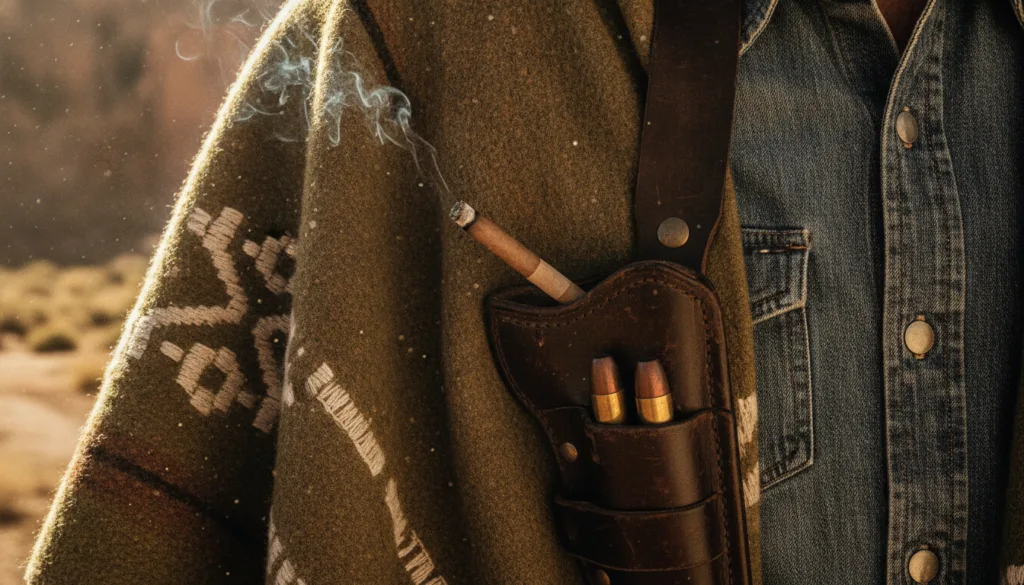
Eastwood’s characters in films like A Fistful of Dollars, For a Few Dollars More, and The Good, the Bad and the Ugly were revolutionary. Dressed in his iconic poncho, squinting through a cigarillo, and speaking with terse economy, he wasn’t a traditional hero. He was a drifter, a bounty hunter, and an opportunist, operating outside the rigid boundaries of the law, yet often driven by a personal code of ethics that hinted at a deeper sense of justice.
- Minimalist Performance: Eastwood’s subtle acting, relying heavily on expressions and body language, made his characters compellingly mysterious.
- Iconic Look: The poncho, the hat, the cigarillo – an instantly recognizable silhouette that became synonymous with the Spaghetti Western.
- Moral Ambiguity: His characters blurred the lines between good and bad, reflecting a more complex and realistic view of the frontier.
Redefining the Western Genre
Before Eastwood, Westerns often presented clear-cut heroes and villains. Leone, with Eastwood as his muse, introduced a grittier, more cynical world where survival often meant getting your hands dirty. This shift resonated deeply with audiences and critics alike, invigorating a genre that many felt had become stale. Eastwood’s “outlaw” wasn’t just a criminal; he was a force of nature, a survivalist, and a master strategist, making him incredibly appealing.
An Enduring Legacy in Hollywood
Clint Eastwood’s impact extends far beyond the “Dollars Trilogy.” He continued to shape the Western landscape, both as an actor and later as a director. Films like Hang ‘Em High, Two Mules for Sister Sara, and the Oscar-winning Unforgiven further cemented his status as a Western legend. Even in his later years, he brought a weathered wisdom to the genre, constantly exploring its themes of justice, revenge, and the fading frontier.
His characters, often outcasts or renegades, embody a certain freedom and resilience that speaks to the classic American spirit. They are tough, self-reliant, and possess an undeniable cool that makes them eternally fascinating. It’s this complex blend of grit, mystique, and understated power that makes Clint Eastwood, for so many, the ultimate Western outlaw.
Join the Conversation!
Do you agree that Clint Eastwood reigns supreme as the ultimate Western outlaw? Who is your favorite character he played, or what’s your favorite Clint Eastwood Western? Share your thoughts and nostalgic memories in the comments below!