In the world of DIY beauty, it seems like there’s always a new buzz-worthy trick making the rounds, often involving items you already have in your pantry or medicine cabinet. Today, we’re diving into a popular beauty routine that has people talking: the combination of Vaseline and baking soda. Could these two everyday household items really be your next go-to for smoother, brighter-looking skin? Let’s explore what this hack is all about, how people are trying it, and what you should consider before jumping in.
What’s the Buzz About Vaseline & Baking Soda?
This intriguing combination has gained traction online as a simple, affordable way to address various skin concerns. People are trying it for everything from gentle exfoliation to achieving a more radiant skin appearance. The idea is that mixing these two ingredients creates a paste that, when applied carefully, can help refresh the skin.
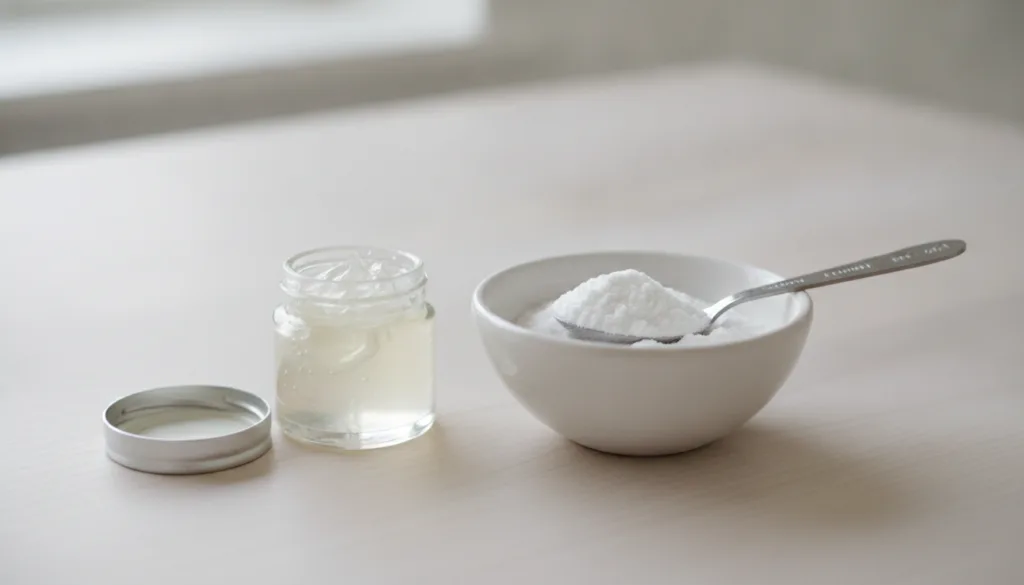
Understanding the Ingredients
Before we delve into the ‘how-to,’ let’s take a closer look at what each of these common ingredients brings to the table:
Vaseline (Petroleum Jelly)
- What it is: A petroleum jelly product, widely known for its occlusive properties.
- Common uses in beauty: It creates a protective barrier on the skin, which helps to lock in moisture and prevent water loss. It’s often used to soothe dry, chapped skin, help minor cuts heal, and protect sensitive areas.
- In this hack: Vaseline acts as a base, providing a creamy texture and helping the baking soda adhere to the skin. It also offers a moisturizing element, which some believe can counteract any potential dryness from the baking soda.
Baking Soda (Sodium Bicarbonate)
- What it is: A common household chemical compound, typically used for baking or cleaning.
- Common uses in DIY beauty: Its finely granular texture makes it a popular choice for physical exfoliation in many homemade scrubs. People often use it to create a smoother-looking skin texture.
- In this hack: Baking soda is used for its abrasive quality, intended to gently slough away dead skin cells and reveal brighter-looking skin beneath.
How People Are Trying This Popular Hack
If you’re curious about how this routine is commonly performed, here’s a general guide. Remember, always proceed with caution and a patch test!
What You’ll Need:
- A small amount of Vaseline
- A small amount of baking soda
- A small bowl or clean surface for mixing
- A clean spatula or spoon for mixing
Step-by-Step Guide:
- Cleanse Your Skin: Start with a clean, dry face. This ensures that you’re working on a fresh canvas and helps the mixture interact directly with your skin.
- Mix the Ingredients: In your small bowl, combine about 1 teaspoon of Vaseline with ½ teaspoon of baking soda. Adjust the ratio to create a smooth, manageable paste – you want it to be spreadable but not too runny.
- Apply Gently: Using your fingertips, carefully apply a thin layer of the mixture to the areas you wish to treat. Many people focus on areas like the T-zone or rough patches.
- Massage (Optional & Brief): If you’re using it for exfoliation, some individuals very gently massage the mixture onto their skin in small, circular motions for no more than 30 seconds.
- Leave On Briefly: If using it as a mask, leave it on for a very short period, typically 1-2 minutes.
- Rinse Thoroughly: Rinse your face completely with lukewarm water, ensuring all traces of the mixture are removed.
- Follow with Moisturizer: Pat your skin dry and apply your favorite gentle moisturizer to help keep your skin hydrated.
Potential Perceived Benefits
Users who try this hack often report several observations:
- Smoother-Looking Skin: The exfoliating action of baking soda can help remove dead skin cells, which may lead to a smoother-feeling skin surface.
- Brighter Appearance: By buffing away dull surface cells, the skin might appear brighter and more radiant.
- Softening Rough Patches: For areas prone to dryness and roughness, like elbows or knees, this combination might feel like it helps soften the skin’s texture.
Important Considerations Before You Try This
While the idea of an affordable, DIY beauty fix is appealing, it’s crucial to approach this hack with awareness and caution. Your skin is unique, and what works for one person might not work for another.
1. Always Patch Test First!
This is perhaps the most important step for any new DIY application. Apply a tiny amount of the mixture to an inconspicuous area of your skin (like behind your ear or on your inner arm) and wait 24-48 hours. Look for any signs of redness, itching, burning, or irritation. If any reaction occurs, do not use it on your face.
2. Baking Soda’s pH Level
Your skin naturally has an acidic pH (around 4.5-5.5), which is essential for maintaining a healthy skin barrier. Baking soda is alkaline (around pH 8-9). Applying an alkaline substance to your skin can potentially disrupt its natural pH balance, which might lead to dryness, irritation, and could compromise your skin’s protective barrier over time.
3. Risk of Irritation
The abrasive nature of baking soda, combined with its pH, can be too harsh for many skin types, especially sensitive, dry, or acne-prone skin. Over-exfoliation can cause micro-tears, redness, and increased sensitivity.
4. Frequency is Key (If You Choose to Try It)
If you decide to try this hack after a successful patch test, it’s generally advised to do so very infrequently – perhaps once a month at most – and for a very short duration. Daily or even weekly use could be too aggressive for most skin types.
5. Not for All Skin Types or Concerns
Avoid using this hack on skin with active acne, open wounds, cuts, sunburn, or conditions like eczema or rosacea. If you have any serious skin concerns, it’s always best to consult with a dermatologist.
Gentle DIY Alternatives for Smooth, Radiant-Looking Skin
If the Vaseline and baking soda hack feels a bit too adventurous for your skin, there are many other gentle, natural DIY options to explore for similar benefits:
- Oatmeal Masks: Ground oatmeal mixed with water or honey can create a soothing, gently exfoliating mask suitable for many skin types.
- Honey Masks: Raw honey is a natural humectant and has beneficial properties. A simple honey mask can be wonderfully hydrating and leave your skin feeling soft.
- Sugar or Coffee Scrubs: For physical exfoliation, fine sugar or coffee grounds mixed with a nourishing oil (like coconut or olive oil) can be a gentler alternative for body exfoliation, used sparingly.
- Yogurt Masks: Plain yogurt contains lactic acid, a mild AHA, which can offer gentle chemical exfoliation, promoting a brighter appearance.
The Takeaway
The Vaseline and baking soda beauty hack is a prime example of a viral trend that harnesses everyday ingredients. While many people report positive experiences, understanding the potential risks and listening to your skin is paramount. Always prioritize gentleness, perform a patch test, and consider starting with milder, proven DIY alternatives. Your skin deserves care that is both effective and kind!