Most people ignore the unassuming Comfrey plant, focusing on more exotic remedies, but its traditional name, ‘knitbone,’ hints at a powerful, unexpected natural fix. If you’ve ever dealt with a stubborn sprain, a deep bruise, or general muscle discomfort, you know the frustration. While many reach for conventional pain relief, a simple preparation from this common plant could offer a gentle, yet effective, external solution that many wish they knew sooner.
This isn’t about ingesting anything; it’s about a topical application that has been used for centuries to support the body’s natural healing processes for external injuries. The secret lies in a particular compound found within its leaves, a detail most people overlook when considering natural remedies.
What Comfrey Is (For External Use)
Comfrey (Symphytum officinale) is a perennial herb often found in damp, grassy places. Its broad, hairy leaves and bell-shaped purple or cream flowers are distinctive. Historically, various cultures have prized Comfrey for its remarkable properties when applied externally to the skin, earning it nicknames like ‘knitbone’ and ‘bone-set’ due to its perceived ability to aid in healing bone fractures and soft tissue injuries. It’s crucial to emphasize that Comfrey is almost exclusively recommended for external, topical use due to certain compounds that can be harmful if ingested.
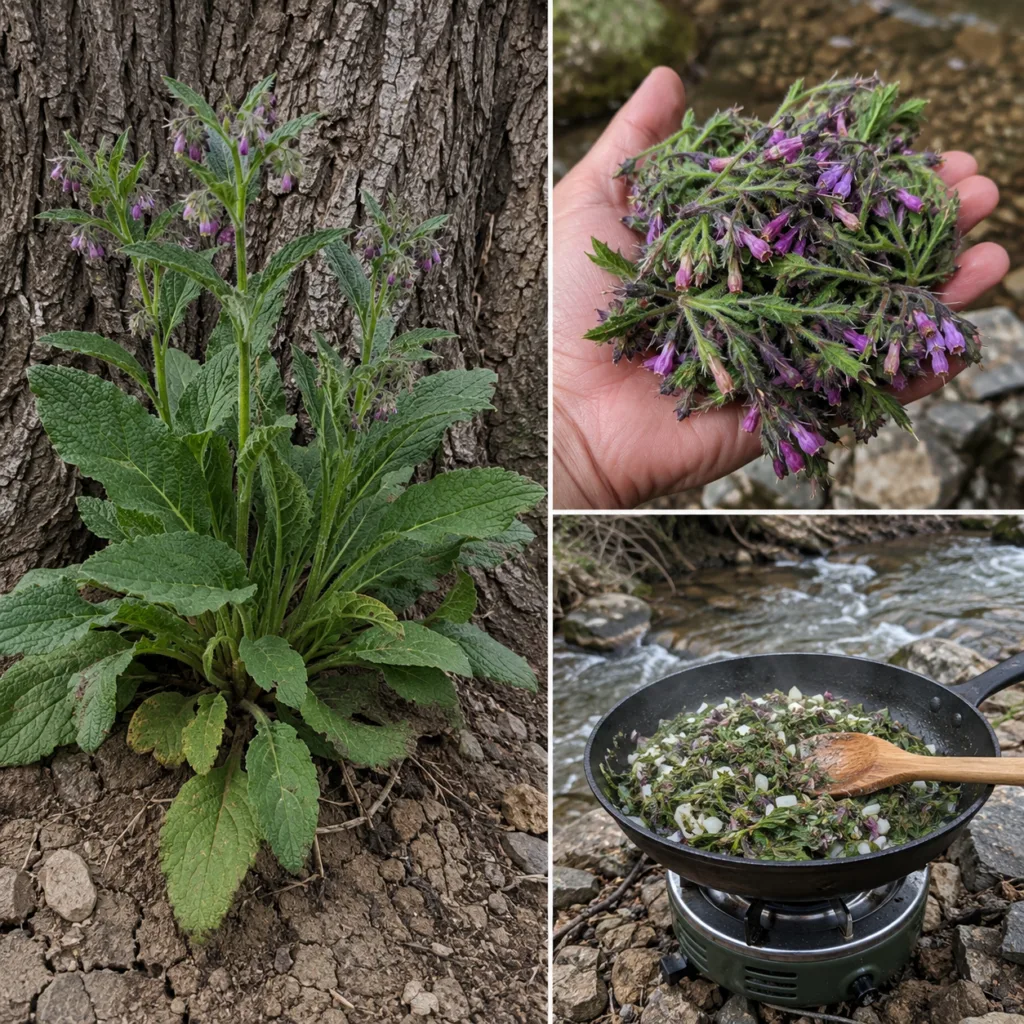
Ingredients for a Comfrey Poultice
A Comfrey poultice is a simple preparation designed to deliver the plant’s beneficial compounds directly to the affected area. It requires minimal ingredients, making it a truly basic and accessible natural fix.
- Fresh Comfrey Leaves: Approximately 1 cup, tightly packed (about 5-7 large leaves) OR
- Dried Comfrey Leaves: Approximately 1/2 cup
- Hot Water: Just enough to moisten and activate (about 1/4 to 1/2 cup)
- Optional: A touch of olive oil or castor oil (1 teaspoon) to create a smoother paste and enhance absorption.
Fresh vs. Dried Comfrey
| Feature | Fresh Comfrey | Dried Comfrey |
|---|---|---|
| Potency | Often considered more potent due to intact enzymes and compounds. | Slightly less potent, but still effective; easier to store long-term. |
| Availability | Seasonal (spring to autumn); requires identification and careful harvesting. | Available year-round from reputable herbal suppliers. |
| Preparation | Requires thorough washing and chopping/mashing. | Easier to prepare; simply steep or rehydrate. |
| Texture | Creates a thicker, more fibrous poultice. | Creates a finer, softer paste. |
Formula / Recipe: Simple Comfrey Poultice
This recipe focuses on creating a topical application for bruises, sprains, and minor skin irritations (without broken skin).
- 1 cup fresh Comfrey leaves (or 1/2 cup dried)
- 1/4 to 1/2 cup hot water
- 1 teaspoon optional carrier oil (e.g., olive oil)
Step-by-Step Method
- Prepare the Comfrey:
For Fresh Leaves: Thoroughly wash the leaves under cool running water to remove any dirt or insects. Chop them finely using a knife, or use a mortar and pestle to crush them into a pulp. The goal is to break down the plant material to release its compounds.
For Dried Leaves: Place the dried leaves in a heat-proof bowl. - Add Hot Water: Pour just enough hot water over the chopped fresh Comfrey or dried Comfrey to create a thick, moist paste. If using dried leaves, allow them to steep for 5-10 minutes to rehydrate and soften. You want a consistency that holds together, not a watery liquid.
- Mix (and Add Oil): Stir the mixture well. If using, add the optional olive or castor oil and mix until fully incorporated. The heat helps to activate the compounds and soften the plant material.
- Cool Slightly: Allow the poultice to cool down to a comfortable, warm temperature before applying. It should be warm, not scalding hot.
Quick Tip: Best Time to Harvest
Comfrey leaves are generally best harvested in spring and early summer when they are young and vibrant, before the plant flowers extensively. This ensures maximum potency and a good supply of tender leaves for topical preparations.
How to Use a Comfrey Poultice
This poultice is meant for external application to intact skin. Do NOT use on broken skin or open wounds.
- Clean the Area: Gently clean the skin area where you intend to apply the poultice.
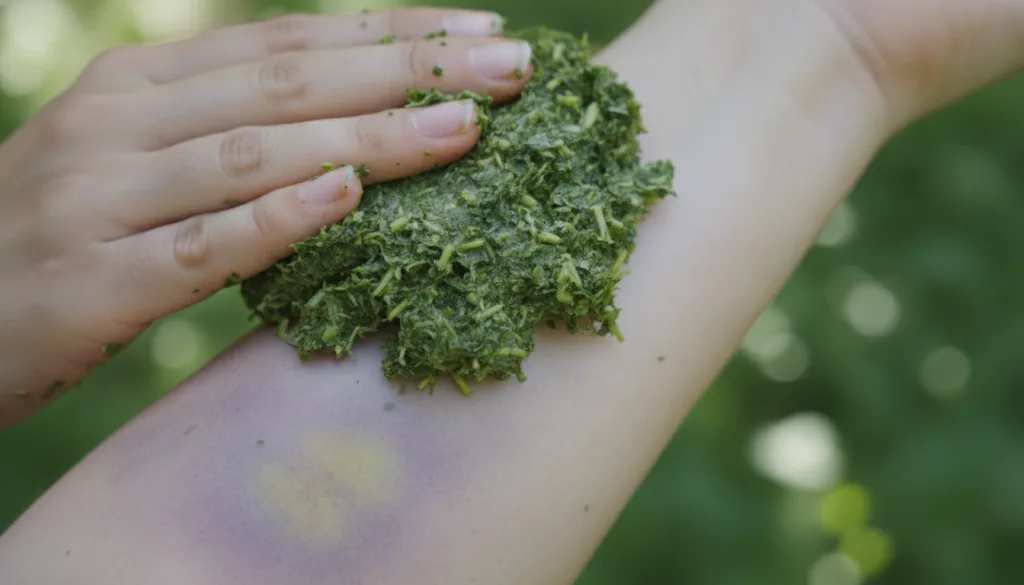
- Apply the Poultice: Spread a thick layer of the warm Comfrey paste directly onto the affected area.
- Cover (Optional but Recommended): Cover the poultice with a clean cloth (like gauze or an old linen towel) to keep it in place and prevent it from drying out too quickly. You can secure it with a bandage if needed.
- Relax: Allow the poultice to remain on the skin for 30 minutes to 1 hour. Some traditional practices suggest leaving it on for several hours or even overnight, but for initial uses, start with shorter durations.
- Remove and Rinse: After the application time, remove the poultice and gently rinse the area with warm water.
How Often to Use
For acute issues like sprains or bruises, you can apply a Comfrey poultice 1-2 times daily. Continue for several days, or until discomfort subsides. For chronic muscle soreness, you might use it a few times a week as needed. Always pay attention to your body’s response.
Did You Know?
While often used for immediate relief, the true benefits of Comfrey for tissue support are often seen with consistent, short-term application rather than a single use. Patience and regularity are key.
Why It Works (Science Insight for External Use)
The primary active compound responsible for Comfrey’s traditional reputation is allantoin. Allantoin is a cell proliferant, meaning it helps stimulate the growth of new cells. When applied topically, it’s thought to encourage the natural regeneration of tissue. Comfrey also contains compounds called mucilage, which provide a soothing effect, and rosmarinic acid, a phenolic compound with antioxidant properties. These compounds, working together, are believed to support the body’s natural healing processes for external issues like:
- Bruises: Helping to reduce the appearance and discomfort.
- Sprains and Strains: Supporting recovery of ligaments and muscles.
- Joint Discomfort: Providing a soothing effect for general aches (not for internal joint issues).
It’s important to reiterate that these benefits are specific to external application, where allantoin can act locally on the skin and underlying tissues without entering the bloodstream in significant amounts.
Who Benefits Most
Individuals experiencing:
- Mild to moderate sprains (ankles, wrists)
- Bruises and contusions
- Muscle soreness and stiffness
- Minor joint aches (not inflammatory conditions like arthritis)
It’s particularly useful for those seeking natural, external alternatives for recovery after physical activity or minor accidents.
How to Buy / How to Choose Ingredients
- For Fresh Comfrey: Ideally, grow your own Comfrey or source it from a trusted organic garden. If foraging, ensure you can accurately identify the plant and that it hasn’t been sprayed with pesticides or herbicides. Avoid harvesting from roadsides or polluted areas.
- For Dried Comfrey: Purchase from reputable herbal suppliers. Look for organic, cut, and sifted leaves to ensure quality and purity.
- Carrier Oils: Choose cold-pressed, organic olive or castor oil for best results.
Storage
- Fresh Poultice: A freshly made poultice should be used immediately. It does not store well as the plant material will degrade quickly.
- Dried Comfrey Leaves: Store dried leaves in an airtight container in a cool, dark, dry place. They can last for up to 1-2 years while retaining potency.
Practical Tips
- Test a Small Area: Before full application, apply a tiny amount of the poultice to a small patch of skin to check for any sensitivity or allergic reaction.
- Consistency Matters: Aim for a thick, spreadable paste. If it’s too dry, add a few more drops of hot water. If too wet, you can add a small amount of clay powder (like bentonite) or more finely crushed dried Comfrey to thicken it.
- Warmth Enhances: The warmth of the poultice can enhance blood flow to the area, further supporting the plant’s properties.
- Cleanliness: Always use clean hands and materials to prevent introducing bacteria to the skin.
Common Mistakes
- Using Comfrey on Broken Skin: This is the most critical mistake. Comfrey should NEVER be applied to open wounds, cuts, or broken skin due to the risk of pyrrolizidine alkaloids entering the bloodstream.
- Ingesting Comfrey: Comfrey should not be taken internally due to its pyrrolizidine alkaloid content, which can be toxic to the liver. This article focuses solely on external applications.
- Using Sprayed Plants: Harvesting Comfrey from areas treated with pesticides or herbicides can introduce harmful chemicals to your skin.
- Leaving it Too Dry: A dry poultice is less effective as the compounds won’t be as readily absorbed. Ensure it remains moist during application.
- Not Identifying Correctly: Misidentifying Comfrey with a similar-looking but harmful plant can be dangerous. Always be 100% sure of your plant identification.
Cautions / Who Should Avoid It
Comfrey contains pyrrolizidine alkaloids (PAs), which are toxic to the liver if ingested. While topical application generally poses a lower risk due to limited absorption through intact skin, certain precautions are essential:
- DO NOT use on broken, abraded, or compromised skin.
- DO NOT ingest Comfrey in any form (teas, tinctures, supplements).
- Pregnant or breastfeeding women should avoid Comfrey products.
- Individuals with liver disease or those taking medications that affect the liver should avoid Comfrey.
- Children: Use with extreme caution and under professional guidance due to thinner, more permeable skin. It is generally advised to avoid Comfrey for children.
- Duration: Limit topical use to short-term application (e.g., up to 4-6 weeks per year) to minimize any potential accumulation, though absorption through intact skin is minimal.
Quick Summary
- Best Preparation: Warm poultice from fresh or dried leaves.
- Best Use-Case: External application for bruises, sprains, muscle aches on intact skin.
- Storage: Use fresh poultice immediately; store dried leaves in an airtight, cool, dark place.
- When to Use: 1-2 times daily for acute issues; as needed for chronic soreness.
- What to Avoid: Ingestion, application on broken skin, use by pregnant/breastfeeding individuals or those with liver issues.
FAQ
- Can I use fresh or dried Comfrey for a poultice?
Both fresh and dried leaves can be used. Fresh leaves are often considered more potent, but dried leaves are convenient and available year-round. - How long does a Comfrey poultice last?
A fresh poultice should be prepared and used immediately. It does not store. - Can I refrigerate the unused poultice?
No, it’s best to make a fresh batch for each application to ensure maximum potency and hygiene. - How often should I apply a Comfrey poultice?
For acute issues, 1-2 times daily for a few days. For general soreness, a few times a week as needed. - What part of the Comfrey plant is best for a poultice?
The leaves are primarily used for poultices due to their higher concentration of beneficial compounds like allantoin. - Can I reuse the Comfrey leaves after making a poultice?
No, once the poultice has been used, the plant material has released its active compounds and should be discarded. - When should I avoid using Comfrey topically?
Avoid if pregnant, breastfeeding, have liver disease, are on liver-affecting medications, or if the skin is broken or irritated. Always perform a patch test first. - Is there a difference between Comfrey root and leaf for topical use?
While both contain allantoin, Comfrey root generally has a higher concentration of pyrrolizidine alkaloids. For topical applications, leaves are generally preferred due to a slightly lower PA content and ease of preparation.
Conclusion
Comfrey, the ancient ‘knitbone’ herb, offers a compelling natural option for external relief from common sprains, bruises, and muscle discomfort. By focusing on safe, topical application and understanding its unique properties, you can harness the practical benefits of this often-overlooked plant. Remember, careful preparation and strict adherence to safety guidelines, particularly avoiding ingestion and use on broken skin, are paramount to effectively integrating this powerful natural fix into your wellness routine.