Did you know that some of your kitchen waste can be a secret weapon for a thriving garden? That’s right! Before you toss those coffee grounds or banana peels, consider giving them a second life as natural fertilizers for your beloved plants. It’s a simple, sustainable, and super effective way to give your garden the boost it needs for vibrant blooms and bountiful harvests!
At Garden – Thảo, we’re all about making gardening easy, enjoyable, and environmentally friendly. Using everyday items from your kitchen is a fantastic step towards healthier plants and a happier planet. Let’s dive into some of our favorite natural fertilizers that you might already have on hand!
Why Go Natural with Your Fertilizers?
Choosing natural fertilizers from your kitchen offers a wealth of benefits for both your garden and the environment:
- Boosts Soil Health: Unlike synthetic fertilizers that only feed the plant, natural options enrich your soil, improving its structure, water retention, and microbial life.
- Cost-Effective: You’re using items you’d otherwise discard, saving money on store-bought fertilizers.
- Eco-Friendly: Reduces waste, lessens your carbon footprint, and avoids introducing harsh chemicals into your garden and local ecosystem.
- Gentle & Slow-Release: Natural fertilizers release nutrients slowly over time, reducing the risk of over-fertilization and nutrient burn, making them perfect for beginners.
Top Kitchen Secrets for a Flourishing Garden
1. Coffee Grounds: A Nitrogen Boost for Acid-Loving Plants
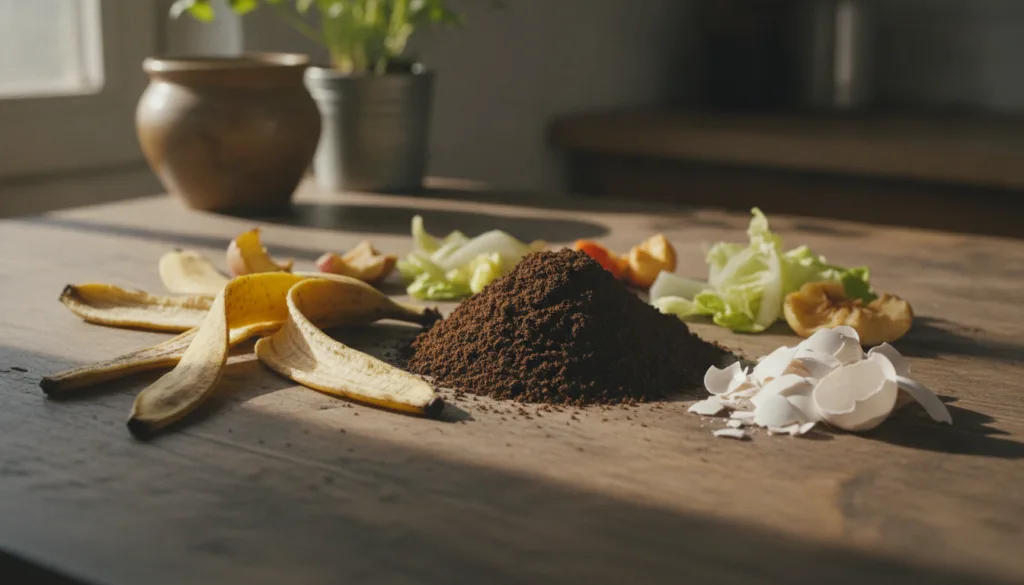
Love your morning coffee? So do many of your plants! Coffee grounds are rich in nitrogen, a vital nutrient for leafy green growth. They also contain trace minerals like potassium and phosphorus, and can slightly acidify the soil, which is fantastic for plants like blueberries, hydrangeas, azaleas, and some roses.
How to Use Coffee Grounds:
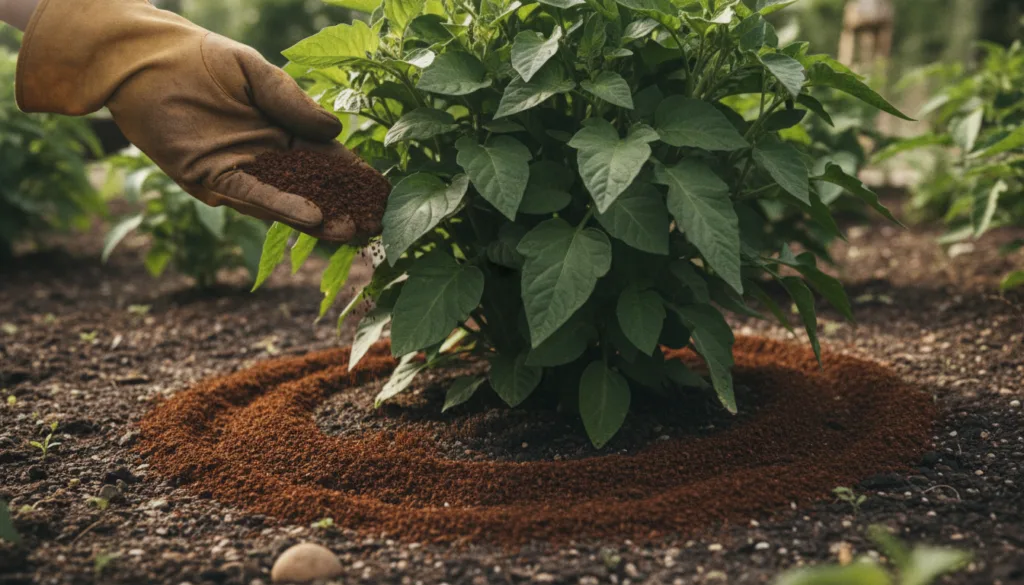
- Direct Application: Sprinkle used, dried coffee grounds directly around the base of acid-loving plants. Work them gently into the top layer of soil.
- Compost Boost: Add them to your compost pile to enrich it with nitrogen.
- Pest Repellent: Some gardeners find that coffee grounds can deter slugs and snails, though results can vary.
2. Banana Peels: Potassium Power for Blooms and Fruits
Don’t toss those banana peels! They are an excellent source of potassium, which is crucial for flower and fruit development, overall plant vigor, and disease resistance. Think vibrant roses, luscious tomatoes, and abundant peppers!
How to Use Banana Peels:
- Bury Them Whole: Dig a trench or hole about 4-6 inches deep near the plant you want to fertilize (ensure it’s not touching the roots), place the peel in, and cover it with soil.
- Chop & Mix: Chop peels into small pieces and mix them into the soil when planting new shrubs or perennials.
- Banana Peel Tea: Soak peels in water for a few days, then use the nutrient-rich water to feed your plants.
3. Eggshells: Calcium for Stronger Plants
Crushed eggshells are a fantastic source of calcium carbonate, which helps build strong cell walls in plants. This can prevent issues like blossom end rot in tomatoes and peppers, and can also help balance soil pH.
How to Use Eggshells:
- Crush & Mix: Rinse and dry eggshells, then crush them into fine pieces. Mix them into your soil during planting or sprinkle around existing plants.
- Seedling Starter: Place crushed eggshells at the bottom of planting holes for seedlings, especially for brassicas (broccoli, cabbage) and tomatoes.
4. Used Tea Bags: Tannins and Nutrients for Soil Structure
Used tea bags (especially those made from compostable materials without staples) can be beneficial for your garden. Tea leaves contain nitrogen and other nutrients, and the tea itself can provide beneficial tannins that can help slightly lower soil pH, similar to coffee grounds.
How to Use Used Tea Bags:
- Bury Them: Simply bury used tea bags (remove staples if present) near plants. They will decompose and release nutrients.
- Compost: Add them to your compost pile.
- Tea Leaf Mulch: Open tea bags and sprinkle the leaves around plants as a light mulch.
5. Vegetable Scraps & Water: The Ultimate Soil Builder
Beyond specific items, a general mix of fruit and vegetable scraps is the heart of good composting. From potato peels to apple cores, these scraps break down to create rich, nutrient-dense compost that drastically improves soil structure and fertility.
How to Use Vegetable Scraps:
- Compost Pile: The best way is to add all non-meat, non-dairy kitchen scraps to a compost bin.
- Trench Composting: If you don’t have a compost bin, you can bury scraps directly in garden beds, allowing them to decompose in place.