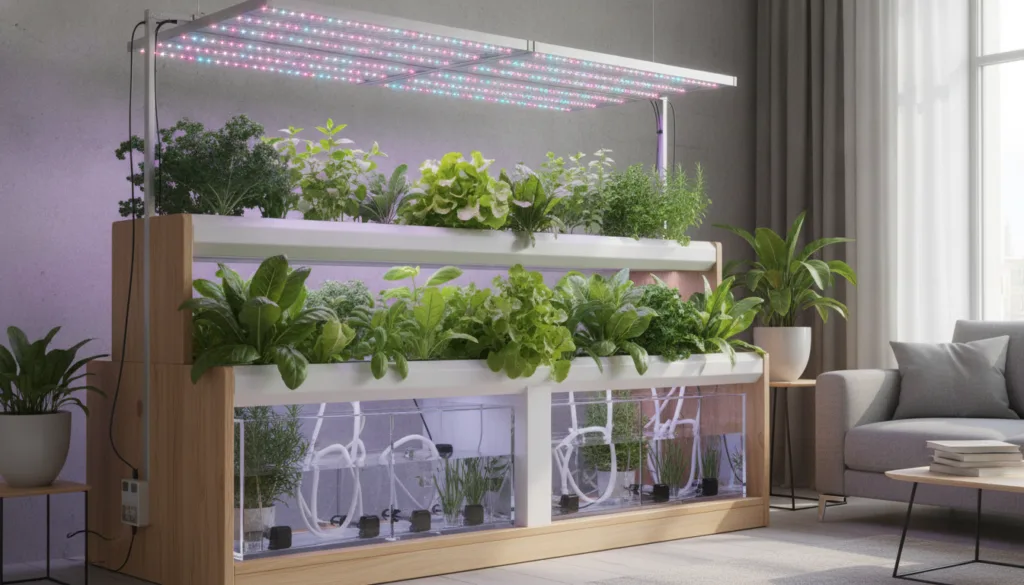
Are you fascinated by the idea of growing lush, vibrant plants without a single speck of soil? Welcome to the wonderful world of soil-free indoor gardening! It might sound like something out of a science fiction movie, but it’s a real, accessible, and incredibly rewarding way to cultivate your favorite greens, flowers, and even vegetables right in your home. At Garden – L. Quyên, we’re all about making gardening easy, enjoyable, and successful for everyone, and soil-free methods are a fantastic path to achieving just that.
Imagine cleaner spaces, faster growth, and fewer pesky problems. Soil-free gardening, often associated with hydroponics or semi-hydroponics, opens up a new realm of possibilities for plant lovers, especially those with limited space or a desire for innovative growing techniques. Let’s dive into the magic and uncover how you can start your own thriving soil-free indoor garden today!
What is Soil-Free Indoor Gardening?
Soil-free gardening encompasses various methods where plants grow without traditional soil, primarily using water, an inert growing medium, and a nutrient solution. These techniques provide plants with all the essential nutrients directly to their roots, often leading to quicker growth and healthier plants.
Popular Methods:
- Hydroponics: This is perhaps the most well-known method, where plants are grown in nutrient-rich water solutions. There are several hydroponic systems, from simple wick systems to more advanced deep water culture (DWC) or nutrient film technique (NFT).
- Semi-Hydroponics: This refers to methods that use an inert medium (like LECA clay pebbles, rockwool, or coco coir) to support the plant and provide a stable environment, while a nutrient solution is periodically delivered or wicked up. It’s often seen as a bridge between traditional soil gardening and full hydroponics, perfect for beginners.
- Aeroponics: Plants have their roots suspended in the air and are misted with a nutrient solution.
- Aquaponics: A symbiotic system combining aquaculture (raising aquatic animals like fish) with hydroponics, where fish waste provides nutrients for the plants.
The Benefits of Going Soil-Free
Why should you consider swapping your soil pots for a soil-free setup? The advantages are numerous and compelling:
- Less Mess: No soil means no spilled dirt, no soil-borne pests, and a much cleaner growing environment, ideal for indoor spaces.
- Faster Growth: Plants in soil-free systems often grow 25-50% faster than their soil-grown counterparts because their roots have direct, constant access to water and nutrients.
- Water Efficiency: Hydroponic systems can use up to 90% less water than traditional gardening, as water is recirculated and not lost to evaporation or runoff.
- Fewer Pests and Diseases: Many common garden pests and plant diseases originate in soil. Eliminating soil significantly reduces these issues.
- Space-Saving: Vertical and compact soil-free systems allow you to grow more plants in smaller areas, perfect for apartments or limited indoor space.
- Year-Round Gardening: With indoor setups, you’re not restricted by seasons or outdoor weather conditions.
Getting Started with Soil-Free Indoor Gardening
Ready to embark on your soil-free adventure? Here’s what you’ll need to consider to get started:
1. Choose Your Method
For beginners, semi-hydroponics with LECA pebbles or a simple deep water culture (DWC) hydroponic system are great starting points. These are relatively inexpensive and easier to manage.
2. Select Your Plants Wisely
Many plants thrive in soil-free environments. Leafy greens like lettuce, spinach, kale, and herbs (basil, mint, parsley) are excellent choices. Strawberries, bell peppers, and cherry tomatoes can also do very well. Start with plants known for their quick growth and ease of care in these systems.
3. The Right Growing Medium (for semi-hydroponics)
If you’re going semi-hydro, LECA (Lightweight Expanded Clay Aggregate) pebbles are popular. They are porous, retain moisture, provide excellent aeration, and are reusable. Rockwool, coco coir, and perlite are other common inert media.
4. Nutrient Solutions are Key
Since there’s no soil, plants get all their nutrients from a specially formulated liquid nutrient solution. You’ll need a good quality hydroponic nutrient mix. Follow the instructions carefully for dilution and ensure you monitor the pH of your water, as plants absorb nutrients best within a specific pH range (usually 5.5-6.5).
5. Light It Up!
Indoor plants need light. If you don’t have a very bright, south-facing window, invest in a good quality LED grow light. Different plants have different light intensity and duration requirements, so research what your chosen plants need.
6. Consistent Maintenance
Soil-free gardening requires regular attention. This includes:
- Checking Water Levels: Ensure your plants always have access to the nutrient solution.
- Monitoring pH: Use a pH testing kit or pen to keep the solution within the optimal range. Adjust with pH up/down solutions as needed.
- Changing Nutrient Solution: Typically, you’ll need to change the entire solution every 1-2 weeks to prevent nutrient imbalances and algae growth.
- Cleaning: Keep your system clean to prevent disease and pest issues.
Tips for Thriving Soil-Free Plants
- Start Small: Don’t try to set up a massive system on your first try. Begin with one or two plants to get a feel for the process.
- Research Your Plants: Understand the specific needs of the plants you choose for light, nutrients, and pH.
- Maintain Cleanliness: A clean system is a healthy system. Regular cleaning prevents problems before they start.
- Observe Your Plants: Your plants will tell you if something is wrong. Yellowing leaves, stunted growth, or unusual spots are signs to investigate your nutrient solution or environment.
- Join a Community: Connect with other soil-free gardeners online or in local groups. Sharing experiences and tips can be invaluable.
Soil-free indoor gardening is an exciting and rewarding way to bring more green into your life. It offers a unique opportunity to understand plant growth on a deeper level and enjoy fresh produce or beautiful blooms all year round. Embrace the magic, experiment with different methods, and watch your plants flourish in this innovative way!