The Humble ‘Touch-Me-Not’ Plant: A Practical Guide to Its Healing Uses
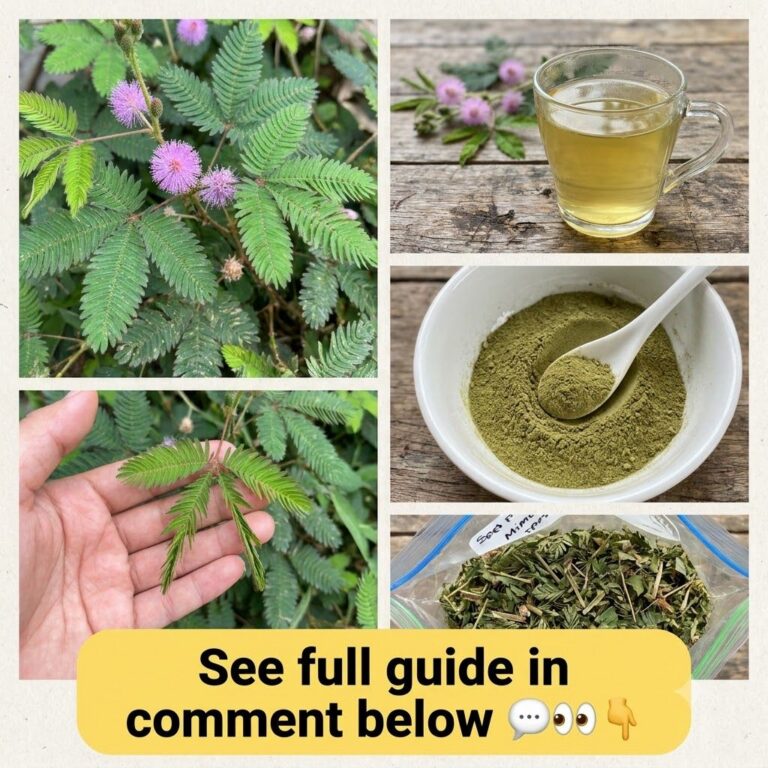
Most people are drawn to the Mimosa Pudica, or ‘Touch-Me-Not’ plant, for its mesmerizing reaction to touch. Its leaves fold inward almost instantly, a natural wonder that fascinates onlookers. But what if we told you that this unique plant holds a treasure trove of practical applications far beyond its curious defense mechanism? While its immediate response captures attention, many herbalists value the plant for its potential wellness properties, particularly when prepared correctly.
This isn’t about vague promises or ancient lore; it’s about understanding how to use Mimosa Pudica effectively in your daily routine, from brewing a restorative tea to incorporating its powdered form. One small preparation mistake can diminish its efficacy, so knowing the right method is key to unlocking its potential.
What It Is: Mimosa Pudica Explained
Mimosa Pudica is a creeping annual or perennial herb of the pea family, native to South and Central America. It’s best known for its rapid leaf movement in response to touch, warmth, or shaking, a phenomenon called thigmonasty. Traditionally, various parts of the plant — leaves, stems, and roots — have been used for their properties. In modern herbal practices, it’s often sought for its whole-plant benefits, available as dried leaves, cut and sifted herb, or a finely ground powder.
Ingredients and Forms
Mimosa Pudica can be utilized in several forms, each with its own advantages:
- Fresh Plant Material: Best for localized, topical applications or fresh juice, though less common for internal use due to immediate availability and dosage challenges.
- Dried Leaves/Herb (Cut & Sifted): Ideal for brewing teas or infusions. This is the most common form for internal consumption.
- Powder: Ground from dried plant material, suitable for capsules, smoothies, or mixed into food. Offers convenience and concentrated dosage.
Formula / Recipe: Mimosa Pudica Tea
Brewing a simple tea is one of the most popular and accessible ways to experience Mimosa Pudica. Here’s how to prepare it:
Approximate Measurements:
- Dried Mimosa Pudica Herb: 1-2 teaspoons (approx. 2-4 grams)
- Hot Water: 8-10 ounces (approx. 240-300 ml)
Step-by-Step Method:
- Heat Water: Bring fresh, filtered water to a boil.
- Prepare Herb: Place the dried Mimosa Pudica herb in a heat-safe mug or teapot.
- Pour Water: Pour the hot water over the herb.
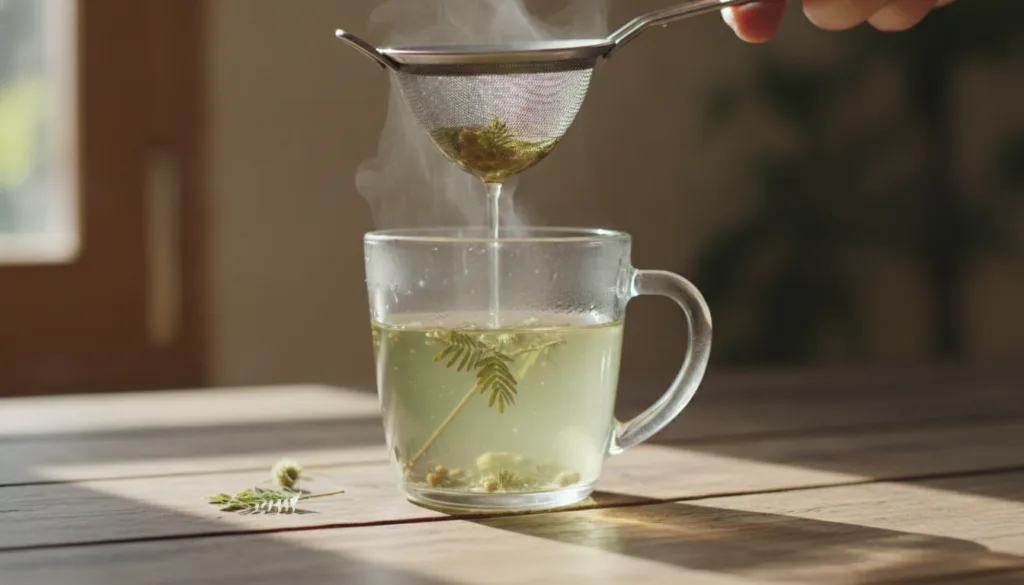
- Steep: Cover the mug/teapot to retain heat and volatile compounds. Allow it to steep for 10-15 minutes. For a stronger brew, steep longer.
- Strain: Strain the herb material using a fine-mesh strainer or tea infuser.
- Enjoy: Your Mimosa Pudica tea is ready. You may add a touch of honey or lemon if desired, though many prefer it plain.
How to Use
For Tea: Drink 1-2 cups per day. It’s often consumed on an empty stomach, either in the morning or before bed, to maximize absorption. Its earthy, slightly bitter flavor is generally mild.
For Powder: Mix 1/2 to 1 teaspoon (approx. 1-2 grams) of Mimosa Pudica powder into water, juice, a smoothie, or sprinkle over food once or twice daily. Start with a smaller dose to assess tolerance.
How Often to Use
Consistent, moderate use is generally recommended. For general wellness support, a daily regimen for several weeks, followed by a break, is common. Always listen to your body and consult with a healthcare professional for personalized advice, especially if you have underlying health conditions.
How to Buy / How to Choose Ingredients
The quality of your Mimosa Pudica largely dictates its effectiveness. Here’s what to look for:
- Source: Opt for reputable suppliers who can guarantee sustainable harvesting and ethical sourcing.
- Organic/Wild-crafted: Whenever possible, choose organic or wild-crafted Mimosa Pudica to avoid pesticides and chemical residues.
- Appearance: For dried herb, look for vibrant green leaves and stems, indicating freshness. Avoid material that looks dull, dusty, or brown. For powder, it should be a consistent green or light brown color without clumping.
- Fresh vs. Dried: Fresh plants are harder to find and harder to dose. Dried material offers convenience and a longer shelf life for most uses.
Storage
Proper storage is crucial to maintain the potency and freshness of Mimosa Pudica:
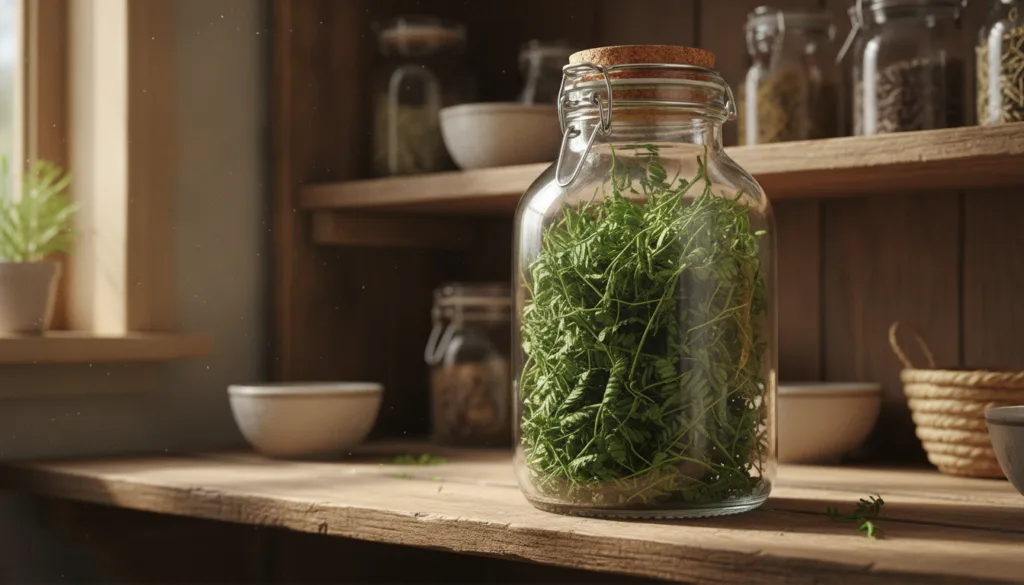
- Dried Herb & Powder: Store in an airtight container in a cool, dark, and dry place. Avoid direct sunlight and humidity, which can degrade the plant material and encourage mold growth.
- Shelf Life: Properly stored dried herb and powder can last for 1-2 years. Check for any changes in color, smell, or texture before use.
Practical Tips
- Start Small: Always begin with the lowest recommended dose, especially if you’re new to Mimosa Pudica, and gradually increase if needed.
- Consistency is Key: Regular use over time often yields better results than sporadic high doses.
- Hydration: Drink plenty of water throughout the day, particularly when incorporating new herbs into your routine.
- Pairing: Some find that Mimosa Pudica pairs well with other gentle digestive herbs.
Common Mistakes
Avoiding these common pitfalls can help you get the most out of your Mimosa Pudica:
- Using Sprayed Plants: Harvesting wild Mimosa Pudica from areas treated with pesticides can introduce harmful chemicals. Always ensure your source is clean.
- Boiling Too Long: For tea, gentle steeping is preferred. Boiling the herb aggressively can degrade heat-sensitive compounds.
- Improper Storage: Leaving dried herb or powder exposed to air, light, or moisture significantly reduces its shelf life and potency.
- Ignoring Your Body: While generally well-tolerated, pay attention to any adverse reactions and adjust usage accordingly.
- Confusing Plant Parts: Different parts of the plant may have varying concentrations of compounds. Ensure you’re using the appropriate part for your intended purpose (e.g., leaves for tea).
Cautions / Who Should Avoid It
While Mimosa Pudica is generally considered safe for most adults in moderate amounts, certain individuals should exercise caution or avoid it entirely:
- Pregnancy and Breastfeeding: There is insufficient research on its safety during pregnancy or lactation. It’s best to avoid use.
- Children: Consult a pediatrician before administering to children.
- Individuals on Medication: If you are taking prescription medications, especially blood thinners or diabetes medications, consult your doctor due to potential interactions.
- Allergies: If you have allergies to plants in the pea family (Fabaceae), you may be sensitive to Mimosa Pudica.
Fresh vs. Dried vs. Powder: Quick Guide
| Form | Best Use-Case | Shelf Life | Preparation |
|---|---|---|---|
| Fresh Plant | Topical applications, immediate use | Very Short (days) | Direct application, juicing |
| Dried Herb | Teas, infusions | 1-2 years (properly stored) | Steep in hot water |
| Powder | Smoothies, capsules, food mixes | 1-2 years (properly stored) | Mix directly, encapsulate |
Quick Summary
- Best Preparation: Tea (dried herb) or mixed powder.
- Best Use-Case: Daily wellness support, often on an empty stomach.
- Storage: Airtight, cool, dark, dry place for dried forms.
- When to Use: Generally recommended daily for a period, followed by breaks.
- What to Avoid: Sprayed plants, improper storage, excessive boiling, use during pregnancy/lactation.
FAQ
- Can I use fresh or dried Mimosa Pudica?
Dried is generally more accessible and stable for teas and powders for internal use. Fresh is typically for immediate, topical applications. - How long does Mimosa Pudica tea last?
Freshly brewed tea should be consumed within 12-24 hours if refrigerated, but ideally, drink it immediately for maximum potency. - Can I refrigerate the tea?
Yes, you can refrigerate brewed tea for up to 24 hours, but always aim to drink it fresh. - How often should I use it?
Many protocols suggest daily use for a few weeks, followed by a break. Always start with a small dose and adjust as needed. - What part of the plant is best for tea?
The leaves and small stems of the Mimosa Pudica plant are commonly used for tea preparation. - Can I reuse the leaves for another brew?
While technically possible, the potency will be significantly reduced in subsequent brews. It’s best to use fresh material each time. - When should I avoid Mimosa Pudica?
Avoid if pregnant, breastfeeding, or on specific medications (especially blood thinners). Consult a doctor if you have underlying health conditions. - Does Mimosa Pudica have a strong taste?
It has an earthy, slightly bitter taste, which is generally mild and palatable for most.
Conclusion
The Mimosa Pudica plant, often admired for its playful response to touch, offers far more than a simple botanical curiosity. By understanding its various forms and following precise preparation and usage guidelines, you can harness its potential for practical wellness support. From a soothing daily tea to a versatile powder, incorporating this unique herb into your routine is about precision and consistency. Always prioritize sourcing high-quality, clean plant material and store it correctly to ensure maximum efficacy. With careful attention to detail, the ‘Touch-Me-Not’ plant can indeed be a valuable addition to your natural remedy toolkit.
You may also like: The Complete Guide to Herbal Infusions
Read more: Exploring the Benefits of Other Herbal Teas