Most people ignore the humble plantain, seeing it as nothing more than a stubborn garden weed. But what if this common plant holds a secret to one of nature’s most uncomfortable ailments? Many herbalists and home remedy enthusiasts affectionately call certain varieties of plantain the ‘stonebreaker’ for a very specific reason: its traditional use in supporting urinary system health, particularly when dealing with kidney stone discomfort.
While not a magic bullet, plantain (specifically Plantago major and related species) has long been valued for its soothing, diuretic, and anti-inflammatory properties. These attributes make it a popular choice for those seeking natural ways to manage symptoms and support the body’s natural processes in expelling minor kidney stones or preventing their formation. Forget complex concoctions; sometimes, the most effective remedies grow right under our noses.
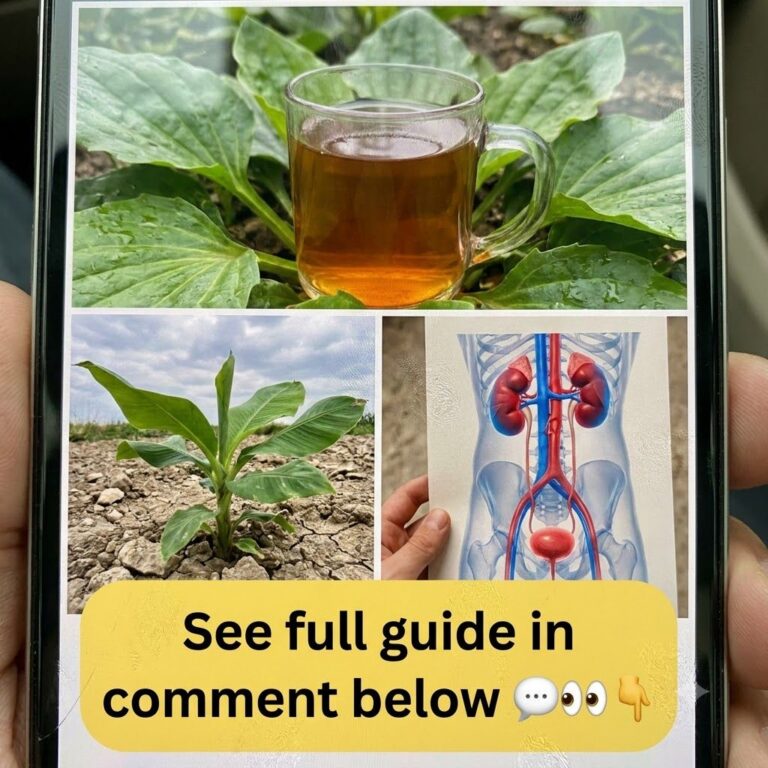
What is Plantain and Why ‘Stonebreaker’?
Common plantain (Plantago major) is a perennial herb found almost everywhere. Unlike the fruit-bearing plantain, this leafy plant is known for its broad, ribbed leaves and a tall, slender flower stalk. Its ‘stonebreaker’ nickname, while sometimes attributed more strongly to plants like Chanca Piedra (Phyllanthus niruri), also applies to certain plantain varieties due to their historical use in promoting urine flow and soothing urinary tract irritation. Its gentle diuretic action helps the body flush the urinary system, potentially aiding in the passage of small stones and preventing new ones from forming by reducing urine concentration.
Ingredients for Plantain Kidney Support Tea
- Fresh Plantain Leaves: 1/4 to 1/2 cup, firmly packed (about 5-7 medium leaves)
- Filtered Water: 2 cups
- Optional: 1 teaspoon raw honey or a squeeze of lemon for taste
Approximate Measurements
For a standard serving, using roughly 5-7 medium fresh plantain leaves will yield a potent yet palatable tea. When using dried leaves, reduce the quantity significantly, as dried herbs are much more concentrated.
Formula / Recipe: Plantain Infusion
The key to extracting plantain’s beneficial compounds without destroying delicate enzymes is a gentle infusion, not a hard boil. This method preserves more of its soothing mucilage and active constituents.
Step-by-Step Method
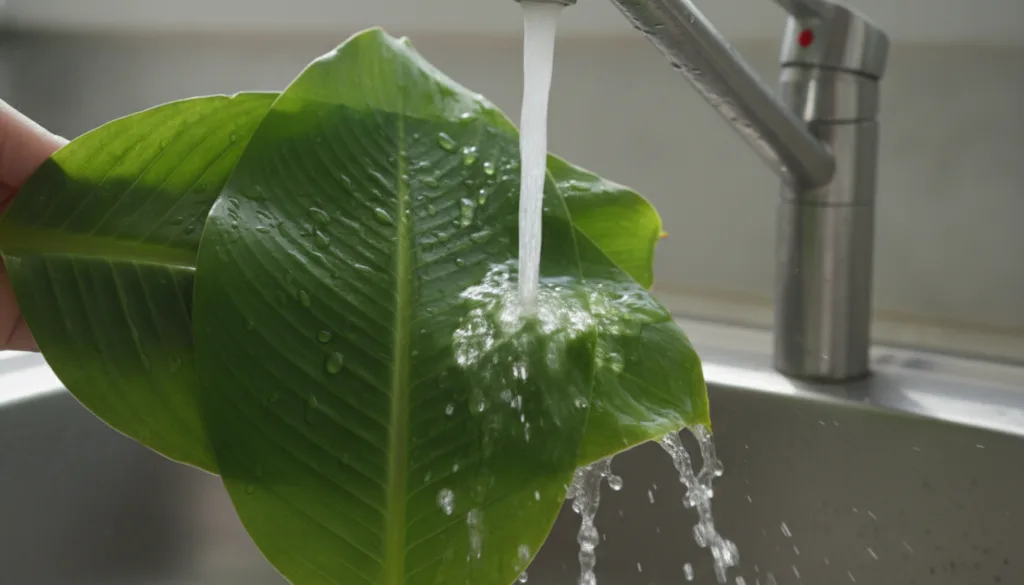
- Harvest/Clean Leaves: If using fresh leaves, collect them from an area free of pesticides and pollutants. Wash them thoroughly under cold running water to remove any dirt or insects.
- Chop: Roughly chop the fresh plantain leaves. This increases their surface area, allowing for better extraction. If using dried, simply measure them out.
- Heat Water: Bring 2 cups of filtered water to a boil in a non-reactive pot.
- Infuse: Once boiling, remove the water from heat. Add the chopped plantain leaves to the hot water.
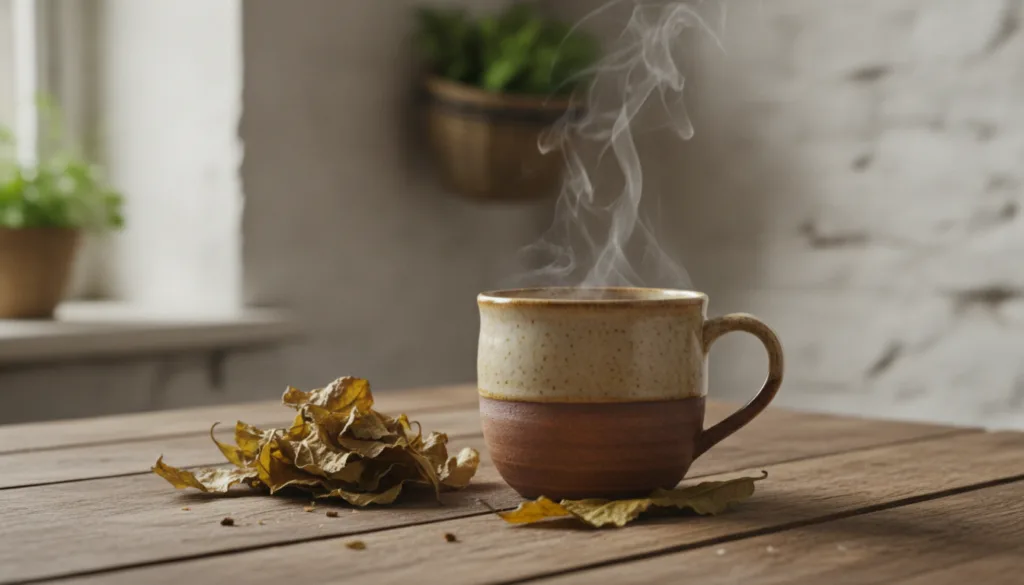
- Steep: Cover the pot and let the leaves steep for 15-20 minutes. Covering is crucial to prevent the volatile oils and beneficial compounds from escaping with the steam.
- Strain: Strain the liquid into a mug, pressing down on the leaves to extract all the goodness. Discard the spent leaves.
- Serve: Allow to cool slightly before drinking. Add honey or lemon if desired.
Quick Tip: Fresh vs. Dried Plantain
While fresh leaves are ideal for immediate use and provide a milder flavor, dried plantain is a convenient alternative with a longer shelf life.
| Feature | Fresh Plantain Leaves | Dried Plantain Leaves |
|---|---|---|
| Potency | Mild to moderate | More concentrated |
| Flavor | Grassy, earthy, slightly bitter | More robust, often stronger bitterness |
| Quantity for Tea | 1/4 – 1/2 cup (5-7 leaves) | 1-2 tablespoons |
| Shelf Life | Few days (refrigerated) | Up to 1 year (stored properly) |
| Preparation | Wash, chop, steep | Measure, steep |
How to Use Your Plantain Tea
Drink the warm infusion slowly. Its diuretic and soothing properties work best when consumed consistently. This remedy is intended to support the urinary system, helping to increase urine flow and provide comfort. It is not a direct substitute for medical treatment for large kidney stones.
How Often to Use
For general urinary support or during periods of discomfort, you can drink 1-2 cups of plantain tea per day. It’s often recommended to start with one cup and observe how your body responds. Consistent use over several weeks may be more beneficial than sporadic consumption.
How to Buy / How to Choose Ingredients
The best way to get plantain leaves is to harvest them yourself (wildcrafting) from a clean, unsprayed area away from roadsides and industrial zones. Identify the plant carefully – look for distinct parallel veins on the leaves. If wildcrafting isn’t possible, you can often find dried plantain leaves at reputable herbal stores or online. Ensure they are organically sourced and free from pesticides.
Storage
Fresh Leaves: Store unwashed fresh plantain leaves in a plastic bag in the refrigerator for up to 3-5 days. Wash just before use.
Dried Leaves: Store dried plantain leaves in an airtight container in a cool, dark place for up to 1 year.
Prepared Tea: Any leftover tea can be stored in an airtight container in the refrigerator for up to 24 hours. Reheat gently or drink cold.
Practical Tips
- Stay Hydrated: Drinking plenty of plain water alongside plantain tea is crucial for urinary health and kidney stone management.
- Combine with Other Herbs: Plantain can be combined with other urinary support herbs like dandelion leaf or horsetail for enhanced effects, but always research interactions.
- Listen to Your Body: Pay attention to how you feel and adjust consumption as needed.
Common Mistakes
- Misidentification: Using the wrong plant can be ineffective or even harmful. Always be 100% sure you have identified plantain correctly (Plantago major or Plantago lanceolata).
- Boiling Too Hard: Prolonged, hard boiling can degrade some of plantain’s beneficial compounds. Gentle infusion is preferred.
- Using Sprayed Plants: Harvesting from areas treated with pesticides or herbicides introduces toxins into your remedy.
- Expecting Immediate Miracles: Natural remedies work gradually. Consistency is key, and it’s a supportive measure, not a quick fix for severe conditions.
Cautions / Who Should Avoid It
While generally considered safe for most adults, consult with a healthcare professional before using plantain, especially if you:
- Are pregnant or breastfeeding.
- Are taking diuretics or blood thinners (plantain has mild diuretic and anti-coagulant properties).
- Have a known allergy to plantain or related plants.
- Have large kidney stones or severe kidney disease. This remedy is for supportive care, not a replacement for medical treatment.
Read more: Understanding Natural Diuretics for Wellness
Quick Summary
- Best Preparation: Gentle tea or infusion from fresh or dried leaves.
- Best Use-Case: Supportive remedy for urinary health, aiding in minor kidney stone relief and prevention due to diuretic and soothing properties.
- Storage: Fresh leaves in fridge (3-5 days); dried leaves in airtight container (1 year); prepared tea in fridge (24 hours).
- When to Use: 1-2 cups daily for consistent support or during discomfort.
- What to Avoid: Misidentifying the plant, hard boiling, using sprayed plants, expecting instant cures.
FAQ
- Can I use fresh or dried plantain leaves?
Both are effective. Fresh leaves often yield a milder tea, while dried leaves are more concentrated and convenient for storage. - How long does the prepared plantain tea last?
Freshly made tea is best, but it can be stored in the refrigerator for up to 24 hours. - Can I refrigerate plantain tea?
Yes, you can refrigerate it for up to 24 hours. - How often should I use plantain tea for kidney stone relief?
For supportive care, 1-2 cups per day is a common recommendation, but always consult a healthcare professional for personalized advice. - What part of the plantain plant is best for tea?
The leaves are primarily used for this type of tea. - Can I reuse the plantain leaves for another batch of tea?
It’s generally not recommended, as most of the beneficial compounds will have been extracted in the first infusion. - When should I avoid using plantain tea?
Avoid if pregnant, breastfeeding, on diuretics or blood thinners, or if you have severe kidney conditions, without professional medical advice.
Conclusion
The next time you see plantain, don’t just dismiss it as a common weed. Its long history as a traditional remedy for urinary health, particularly in aiding with kidney stone discomfort, makes it a valuable plant to know. By understanding how to properly identify, prepare, and use this ‘stonebreaker’ weed, you can tap into a simple, natural way to support your body’s wellness. Always prioritize safe sourcing and consult with a professional for any serious health concerns.
You may also like: The Essential Guide to Crafting Herbal Infusions