When it comes to healthy eating, many of us fall into the trap of thinking we need to eliminate entire food groups or shun certain ‘unhealthy’ items. However, a truly balanced diet isn’t about rigid restriction; it’s about moderation, mindful choices, and embracing a variety of nutrient-rich foods. The good news? Many delicious foods often labeled as ‘bad’ can actually be incredibly beneficial when enjoyed thoughtfully.
This article will debunk common myths and highlight 6 foods you don’t need to avoid for healthy eating, showcasing their nutritional power and how they can fit perfectly into your balanced lifestyle. Get ready to rethink your plate and discover how to enjoy these favorites without guilt!
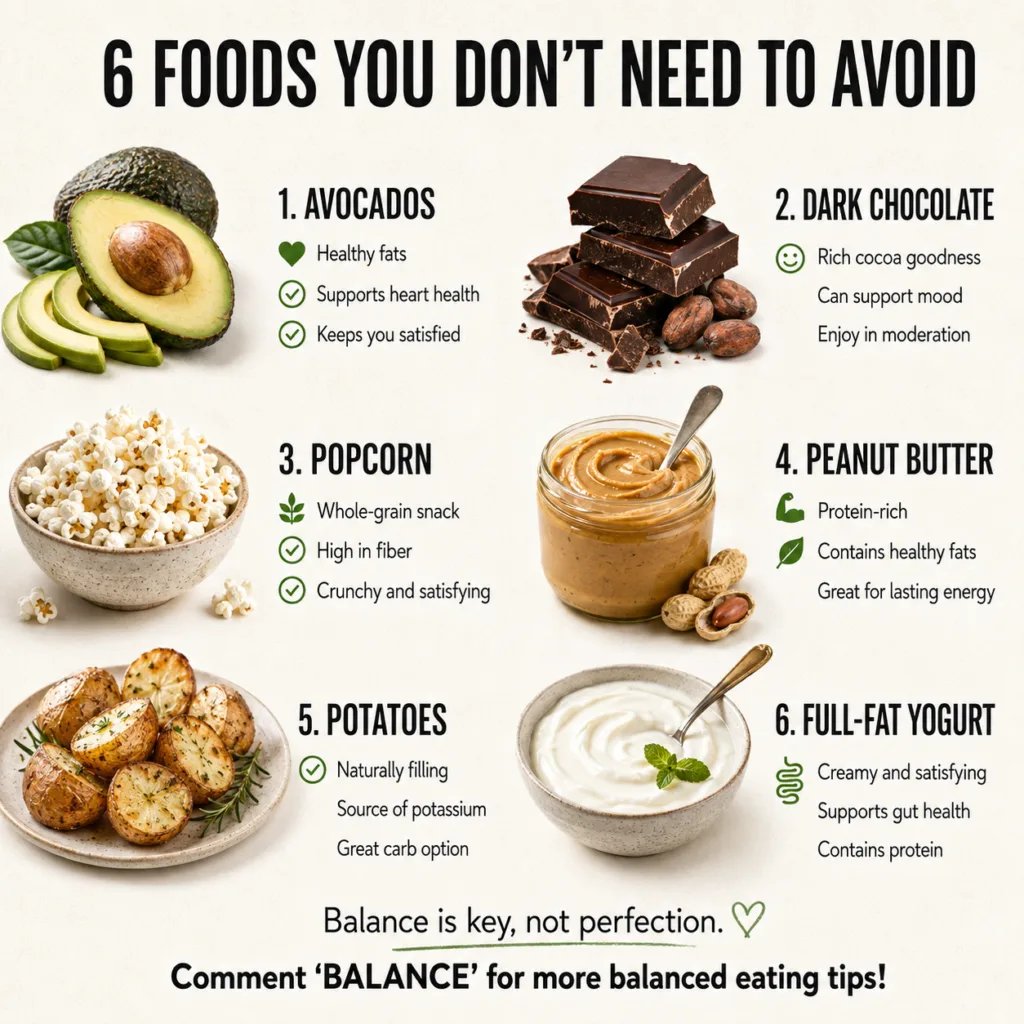
1. Avocados: A Creamy Powerhouse of Good Fats
Often misunderstood due to their fat content, avocados are a cornerstone of a healthy diet. Far from being a food to avoid, they are packed with beneficial nutrients that support overall well-being. These creamy fruits offer a unique blend of fats and vitamins that are crucial for optimal health.
- Healthy Fats: Avocados are rich in monounsaturated fats, particularly oleic acid, which is known for its potential to support heart health and reduce inflammation. These ‘good fats’ are essential for energy and for absorbing fat-soluble vitamins.
- Fiber-Rich: With a significant amount of dietary fiber, avocados can aid in healthy digestion, promote feelings of fullness, and help stabilize blood sugar levels. This can be particularly helpful for weight management and maintaining consistent energy throughout the day.
- Vitamin & Mineral Boost: Beyond fats and fiber, avocados provide a spectrum of essential vitamins and minerals, including Vitamins K, C, B6, E, and folate. These nutrients play vital roles in everything from blood clotting to immune function and cellular health.
2. Dark Chocolate: A Sweet Treat with Antioxidant Benefits
Yes, you read that right! Dark chocolate, in moderation, can be a delightful addition to a healthy eating plan. The key is to choose varieties with a high cocoa content (70% or more) to maximize its health benefits and minimize added sugars.
- Rich in Antioxidants: Dark chocolate is loaded with organic compounds that are biologically active and function as antioxidants, such as polyphenols, flavanols, and catechins. These compounds help combat oxidative stress in the body.
- Flavonoids for Heart Health: The flavonoids in dark chocolate may contribute to improved blood flow, potentially supporting cardiovascular health. They are also linked to a modest reduction in blood pressure.
- Mood and Brain Support: Consuming dark chocolate may release endorphins and contain compounds like tryptophan, which can contribute to improved mood. Some studies also suggest that the flavanols may enhance brain function by increasing blood flow to the brain.
3. Popcorn: The Surprising Whole Grain Snack
Forget the butter-drenched cinema versions, and consider air-popped popcorn as a surprisingly healthy and satisfying snack. It’s a whole grain that can provide significant nutritional value, especially when prepared simply.
- Whole Grain Goodness: Popcorn is a 100% unprocessed whole grain, meaning it contains all parts of the kernel. Whole grains are crucial for a balanced diet, providing sustained energy and supporting digestive health.
- High in Fiber: This crunchy snack is an excellent source of dietary fiber, which helps keep you feeling full and satisfied, potentially preventing overeating. Fiber is also essential for a healthy digestive system.
- Low-Calorie & Satisfying: When air-popped and lightly seasoned (rather than smothered in butter or sugar), popcorn is a naturally low-calorie snack option. Its volume makes it incredibly satisfying without adding excessive calories.
4. Peanut Butter: Protein, Fats, and Flavor
Peanut butter, a staple in many pantries, often gets a bad rap due to its calorie density. However, when chosen wisely (opt for natural, unsweetened versions with minimal ingredients) and consumed in moderation, it’s a fantastic source of plant-based protein and healthy fats.
- Protein Powerhouse: Peanut butter is an excellent source of plant-based protein, crucial for muscle repair, growth, and overall satiety. Including it in your meals can help keep you full longer.
- Healthy Fats & Fiber: It contains monounsaturated and polyunsaturated fats, which are beneficial for heart health. Coupled with its fiber content, peanut butter can contribute to stable energy levels and healthy digestion.
- Vitamins & Minerals: This delicious spread also provides a good dose of essential vitamins and minerals, including Vitamin E, B6, niacin, magnesium, and potassium, which support various bodily functions.
5. Potatoes: A Nutrient-Dense Complex Carb
Potatoes have been unfairly demonized in some diet trends, but they are far more than just a source of carbohydrates. They are incredibly versatile, affordable, and packed with valuable nutrients, especially when eaten with their skin.
- Rich in Potassium: Potatoes are an excellent source of potassium, an electrolyte crucial for blood pressure regulation, fluid balance, and nerve function. They often contain more potassium than a banana.
- Vitamin C Boost: A medium potato can provide a significant portion of your daily Vitamin C needs, which is vital for immune function, skin health, and acting as an antioxidant.
- Fiber with the Skin: Eating potatoes with their skin dramatically increases their fiber content, supporting digestive health and promoting fullness. They are also a good source of complex carbohydrates, providing sustained energy.
6. Full-Fat Yogurt: Probiotics for Gut Health
Many people gravitate towards low-fat or fat-free yogurts, believing them to be healthier. However, full-fat yogurt offers unique benefits and can be a superior choice for satiety and nutrient absorption, especially regarding its probiotic content.
- Probiotic Power: Full-fat yogurt contains beneficial live and active cultures (probiotics) that can support a healthy gut microbiome. A balanced gut is linked to improved digestion, enhanced immunity, and even mood regulation.
- Protein & Calcium: It’s an excellent source of high-quality protein, which helps build and repair tissues and keeps you feeling satisfied. Plus, it’s rich in calcium, essential for strong bones and teeth.
- Increased Satiety: The fat content in full-fat yogurt contributes to greater satiety, helping you feel fuller for longer. This can be beneficial for appetite control and preventing unnecessary snacking throughout the day.
Final Thoughts: Embrace Balance, Not Perfection
The journey to healthy eating is a marathon, not a sprint. It’s about building sustainable habits and fostering a positive relationship with food. As we’ve explored, many foods often placed on the ‘avoid’ list can actually be incredibly beneficial and fit perfectly into a balanced diet. The key is to focus on moderation, mindful consumption, and preparation methods that enhance their natural goodness.
Instead of striving for unrealistic perfection, aim for balance. Listen to your body, enjoy your food, and remember that all foods can fit when consumed thoughtfully. Embrace the flexibility of healthy eating and enjoy the diverse flavors and nutrients these foods bring to your plate!