In the vast world of nutrition, few topics spark as much debate and confusion as seed oils. From social media discussions to wellness blogs, you might have heard conflicting information that leaves you wondering whether to embrace or avoid them. Are they a modern health hazard or a valuable part of a balanced diet?
At Glowra Health, we believe in empowering you with accurate, science-backed information. This article aims to separate the myths from the facts surrounding seed oils, helping you make informed decisions for your health without succumbing to fear. Let’s dive into the truth about these commonly used fats and understand their role in a truly nourishing diet.
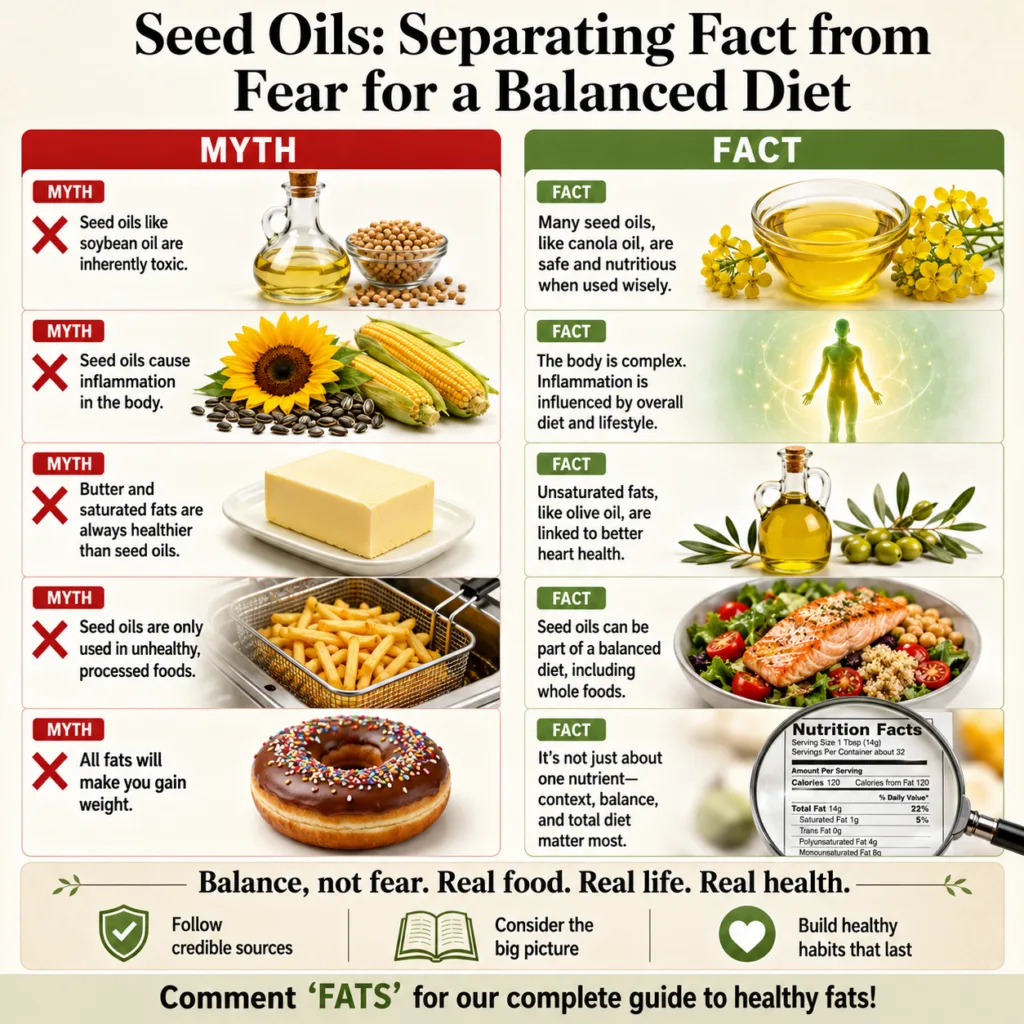
Seed Oils: Separating Fact from Fear
Let’s address the most common misconceptions about seed oils head-on, contrasting them with what the evidence actually shows.
Myth 1: Seed Oils Are “Unnatural” and New
Many believe that seed oils are a recent invention, heavily processed, and therefore ‘unnatural’ or not meant for human consumption. This perspective often suggests they are entirely foreign to our historical diet.
Fact 1: Seed Oils Have Been Consumed for Centuries
While modern processing methods have evolved, the use of oils extracted from seeds and plants is not new. Cultures across the globe have historically used oils from seeds like sesame, sunflower, and corn for cooking and other purposes. For instance, olive oil, a widely accepted healthy fat, is essentially a fruit oil. Many seed oils, like those from soybeans, sunflowers, and corn, have been part of various culinary traditions for centuries, often in less refined forms than what’s available today.
Myth 2: Seed Oils Cause Inflammation and Disease
Perhaps the most prevalent concern surrounding seed oils is the idea that they are inherently inflammatory and directly contribute to chronic diseases like heart disease, obesity, and type 2 diabetes. This myth often points to their omega-6 fatty acid content as the primary culprit.
Fact 2: Evidence Links Inflammation to Overall Dietary Patterns
The truth is more nuanced. While an imbalanced intake of omega-6 fatty acids (especially when coupled with low omega-3 intake) can potentially contribute to inflammation, the primary drivers of chronic inflammation and disease are typically linked to an overall unhealthy dietary pattern. Diets high in ultra-processed foods, refined sugars, and unhealthy saturated and trans fats are far more likely to promote inflammation than specific seed oils consumed as part of a balanced diet. High-quality seed oils, rich in unsaturated fats, can even be part of an anti-inflammatory eating plan.
Myth 3: All Seed Oils Are Unhealthy
The blanket statement that ‘all seed oils are bad’ simplifies a complex nutritional landscape. This perspective fails to differentiate between the diverse array of oils extracted from seeds, each with its unique fatty acid profile.
Fact 3: Some Seed Oils Are Rich in Beneficial Unsaturated Fats
Just like ‘fruits’ vary in nutritional content, so do ‘seed oils.’ Many common seed oils are excellent sources of beneficial unsaturated fats, including monounsaturated and polyunsaturated fatty acids (PUFAs). For example, canola oil, sunflower oil, and soybean oil are rich in omega-3 and omega-6 fatty acids, which are essential for various bodily functions, including brain health and cell growth. When chosen wisely and consumed in moderation, these oils can contribute positively to your diet, similar to how olive oil is celebrated for its monounsaturated fats.
Myth 4: You Must Avoid All Seed Oils
Given the strong narrative around the supposed dangers of seed oils, some people adopt an extreme approach, advocating for the complete elimination of all seed oils from their diet. This often leads to unnecessary dietary restrictions.
Fact 4: Focus on Overall Diet Quality, Not Elimination
A truly healthy diet prioritizes balance, variety, and nutrient density over strict elimination. Instead of cutting out entire food groups or specific types of fats, focus on the overall quality of your diet. Incorporating a variety of whole foods, lean proteins, fruits, vegetables, and healthy fats (including beneficial seed oils) is a more sustainable and effective approach to long-term health than an exclusionary diet. The occasional meal prepared with a seed oil, especially one that is otherwise balanced and nutritious like a salmon salad, poses little threat to health.
Myth 5: All Fats Are Bad for You
This is a broader myth that sometimes intertwines with the seed oil debate, stemming from a historical fear of dietary fat in general. The belief is that consuming fat automatically leads to weight gain and poor health outcomes.
Fact 5: Fats Are Essential for Health, Choose Wisely
Fats are not the enemy; they are crucial macronutrients vital for numerous bodily functions. They are essential for hormone production, nutrient absorption (especially fat-soluble vitamins A, D, E, K), insulation, and protecting vital organs. The key lies in choosing the right kinds of fats. Opt for unsaturated fats found in avocados, nuts, seeds, fatty fish, and certain seed oils, while limiting saturated and trans fats. Fats provide energy and satiety, playing a significant role in a healthy, balanced diet.
Beyond the Myths: Building Healthy Habits That Last
Understanding the facts about seed oils is just one piece of the puzzle. The ultimate goal is to cultivate a dietary approach that supports your well-being for the long term. Here are some principles to guide you:
- Follow Credible Sources: Always seek information from reputable health organizations, scientific studies, and qualified nutrition professionals. Be wary of sensational claims or information that lacks scientific backing.
- Consider the Big Picture: Your diet is more than just individual ingredients. Focus on your overall eating pattern. A diet rich in whole, unprocessed foods, with a variety of healthy fats, proteins, and carbohydrates, will always serve you better than fixating on one food item.
- Build Healthy Habits That Last: Sustainable health comes from consistent, balanced choices. Instead of chasing quick fixes or restrictive diets, aim for mindful eating, moderation, and joy in your food choices.
By debunking these common myths about seed oils, we hope to provide clarity and encourage a balanced perspective. It’s not about fearing specific ingredients but understanding how they fit into your overall lifestyle and making informed, empowered choices.