Unlock Celery’s Everyday Wellness Secrets: Easy Recipe Inside!
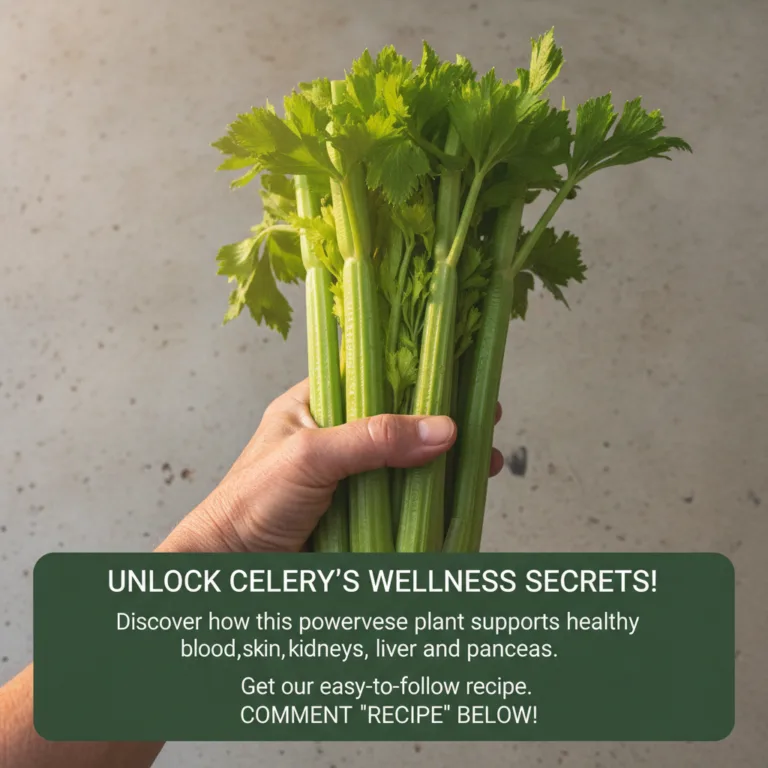
Could This Humble Stalk Be the Secret to a Naturally Revitalized You?
For centuries, many cultures have quietly appreciated celery for more than just its crisp crunch in salads. Often overshadowed by flashier superfoods, this unassuming stalk holds a wealth of nutritional compounds that may contribute to your overall well-being. Have you ever wondered if there’s more to celery than meets the eye?
You might be surprised to learn how this common vegetable can play a significant role in your natural wellness journey, offering benefits that extend far beyond a simple snack. It’s time to pull back the curtain and discover the surprising ways to integrate this powerhouse into your daily routine.
Why Celery’s Wellness Secrets Matter Now
In our busy lives, finding simple, natural ways to support our health has become more important than ever. Celery often gets a reputation as a mere ‘diet food’ or a plain salad ingredient, leading many to overlook its true potential. However, a growing number of people are rediscovering traditional wisdom and modern insights pointing to celery’s broader health contributions.
This renewed interest stems from our desire for natural solutions to common health concerns – from seeking better hydration and digestive comfort to supporting vital organ functions like those of the kidneys and liver. Understanding celery’s benefits can empower anyone seeking to age well, boost vitality, and proactively maintain their health through wholesome, accessible foods. It’s not just a trend; it’s a return to appreciating the simple, potent gifts of nature.
The Nutritional Heart of Celery
At first glance, celery might seem mostly like water, and while it’s incredibly hydrating, it’s also packed with an impressive array of vitamins, minerals, and plant compounds. Let’s delve into what makes this crunchy vegetable a wellness ally:
- Vitamins and Minerals: Celery is a good source of Vitamin K, essential for blood clotting and bone health, and provides a decent amount of Vitamin C, an important antioxidant. It also contains folate, potassium, and small amounts of Vitamin A.
- Antioxidants: This stalk is rich in various antioxidants, including apigenin and luteolin, which help combat oxidative stress in the body.
- Phthalides: These unique compounds found in celery are thought to contribute to its distinctive aroma and some of its potential wellness benefits, particularly in relation to cardiovascular health.
- Polysaccharides: These complex carbohydrates contribute to celery’s anti-inflammatory potential, helping to soothe and support various body systems.
Traditional Use vs. Modern Understanding:
- Traditional Use: Historically, celery has been used in various traditional medicines for its diuretic properties, believed to help ‘cleanse’ the body. It was also often consumed for its calming effects and to support digestion.
- Modern Scientific Understanding: While research is ongoing, some studies suggest that celery’s rich antioxidant and anti-inflammatory profile may support cardiovascular health, contribute to healthy blood pressure levels, and aid in digestion. Its high water content and fiber are certainly beneficial for gut health and hydration. Some preliminary research also explores its potential role in supporting liver and kidney function due to its cleansing properties, and its impact on skin health may be linked to its hydrating and antioxidant effects.
A Refreshing Practical Guide: Celery Detox Juice
One of the easiest and most effective ways to harness celery’s wellness potential is by making a simple, refreshing juice. It’s a fantastic way to kickstart your day or enjoy a midday pick-me-up!
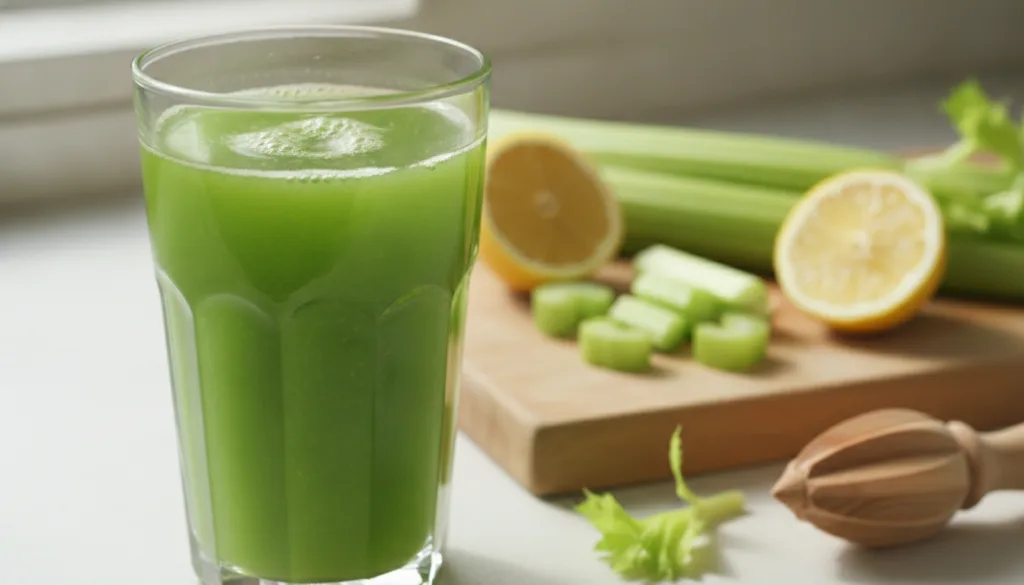
Simple Celery Detox Juice Recipe
Ingredients:
- 4-5 large celery stalks, washed thoroughly
- 1/2 green apple (optional, for a touch of sweetness)
- 1/2 inch fresh ginger (optional, for a zing and extra benefits)
- Juice of 1/2 lemon (optional, for brightness and Vitamin C)
Equipment:
- Juicer or a blender with a fine-mesh strainer
Instructions:
- Prepare the Celery: Trim the ends of the celery stalks and wash them well under cold running water. If using a juicer, you can cut them into manageable pieces. If using a blender, chop them into smaller chunks.
- Juice or Blend:
- With a Juicer: Feed the celery stalks (and apple/ginger, if using) through your juicer.
- With a Blender: Place chopped celery (and apple/ginger) into your blender with about 1/4 to 1/2 cup of water (just enough to get it blending). Blend on high until smooth.
- Strain (if blending): If you used a blender, pour the mixture through a fine-mesh strainer or nut milk bag into a glass, pressing firmly to extract all the liquid. Discard the pulp.
- Add Lemon: Stir in the fresh lemon juice, if using.
- Serve Immediately: Enjoy your fresh celery juice right away to maximize its nutrient content.
Serving Suggestions:
- Drink on an empty stomach in the morning for optimal absorption.
- Combine with other hydrating vegetables like cucumber for variety.
- Add a pinch of cayenne pepper for an extra metabolic boost.
Storage:
While best enjoyed fresh, you can store leftover celery juice in an airtight container in the refrigerator for up to 24 hours. The nutritional value will slightly diminish over time.
Safety & Precautions When Enjoying Celery
While celery is generally considered safe and healthy for most people, it’s always wise to be aware of potential considerations:
- Allergies: Some individuals can be allergic to celery, which can cause reactions ranging from mild oral itching to more severe anaphylaxis. If you have known allergies to birch pollen or mugwort, you might be more susceptible to celery allergy.
- Sun Sensitivity: Celery contains compounds called psoralens, which can increase sun sensitivity in some individuals, particularly if consumed in very large quantities or if you’re fair-skinned.
- Blood Thinners: Due to its Vitamin K content, celery may interact with blood-thinning medications (anticoagulants). If you are on such medication, consult your healthcare professional before significantly increasing your celery intake.
- Kidney Conditions: While often praised for kidney support, individuals with existing kidney conditions should discuss dietary changes, including high potassium foods like celery, with their doctor.
- Pregnancy and Breastfeeding: Celery is generally safe in typical food amounts during pregnancy and breastfeeding. However, concentrated extracts or very large quantities might be best avoided without professional advice.
Always consult with a healthcare professional or a registered dietitian if you have any underlying health conditions, are taking medications, or have concerns about incorporating new foods into your diet.
Key Takeaways: Celery for Your Wellness
- Celery is a hydrating, nutrient-dense vegetable rich in vitamins (K, C), minerals, and antioxidants.
- It may support hydration, digestive health, and potentially contribute to healthy blood pressure levels.
- Traditional uses highlight its cleansing and calming properties.
- Making fresh celery juice is an easy way to incorporate its benefits into your daily routine.
- Be mindful of potential allergies, sun sensitivity, and interactions with certain medications.
- Always consult a healthcare professional for personalized advice, especially if you have existing health conditions.
FAQ: Your Celery Questions Answered
Q1: How much celery should I eat daily for health benefits?
There’s no strict recommendation, but incorporating a few stalks into your daily diet, either in salads, smoothies, or as juice, is a great start. Consistency is key, rather than consuming a massive amount at once.
Q2: Is celery juice better than eating whole celery?
Celery juice offers a concentrated dose of nutrients and is very hydrating. However, eating whole celery provides beneficial fiber that the juice largely removes. Both have their place in a healthy diet; whole celery for fiber and satiety, juice for a nutrient boost.
Q3: Can celery help with weight loss?
Celery is low in calories, high in water, and contains fiber (when eaten whole), making it a great food for satiety and supporting healthy weight management. It’s not a magic bullet, but it can be a valuable part of a balanced diet.
Q4: Does cooking celery reduce its nutritional value?
Cooking can slightly reduce the content of some heat-sensitive vitamins, like Vitamin C. However, other compounds may become more bioavailable. Light steaming or stir-frying can preserve many nutrients, but raw celery offers the most vibrant nutrient profile.
Q5: What’s the best way to store celery?
To keep celery fresh and crisp, wrap it tightly in aluminum foil and store it in the crisper drawer of your refrigerator. Avoid storing it in plastic bags, as this can trap ethylene gas and lead to quicker spoilage.
Related Reading: Continue Your Wellness Journey
If you’re curious about unlocking more natural health secrets, you might enjoy exploring:
- The Power of Hydration: Simple Ways to Drink More Water
- Anti-Inflammatory Foods: Fueling Your Body Naturally
- Herbal Allies for Digestive Wellness
- Boosting Your Immunity with Everyday Foods
- Healthy Aging: Lifestyle Habits for Long-Term Vitality