Most people only think of the delicious, sweet fruit when they hear the word papaya. The vibrant orange flesh is a tropical delight, but what if we told you that the real powerhouse of the papaya plant often gets overlooked?
For centuries, traditional wisdom has recognized the incredible potential locked within the humble papaya leaf. It’s not just a backdrop for the fruit; it’s a concentrated source of unique compounds that many herbalists keep close at hand. Learning to properly prepare and use papaya leaves can unlock a world of practical benefits. But there’s a catch: one small preparation mistake can ruin the whole batch, rendering your efforts less effective. We’re here to guide you through the precise steps to harness this tropical treasure.
What is Papaya Leaf Wellness?
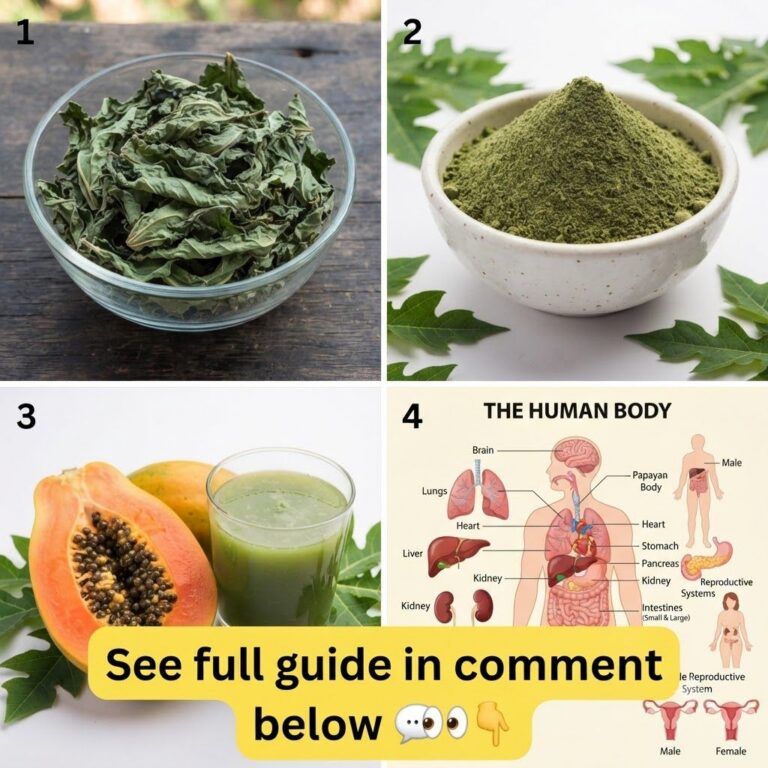
Papaya (Carica papaya) is a fast-growing, short-lived perennial fruit tree native to the tropics of the Americas. While the fruit is globally enjoyed, the leaves are where the concentrated wellness-supporting compounds reside. These leaves are rich in enzymes like papain and chymopapain, as well as a range of antioxidants, alkaloids, and phenolic compounds. Traditionally, papaya leaves have been used in various forms to support digestive health, overall vitality, and a balanced immune system. It’s a versatile ingredient that can be transformed into teas, juices, and even topical applications.
Key Preparations: Tea, Juice & Powder
The most common and effective ways to utilize papaya leaves for wellness include:
- Papaya Leaf Tea: A simple infusion made from fresh or dried leaves, ideal for daily consumption.
- Papaya Leaf Juice/Extract: A more concentrated liquid form, often used when higher potency is desired.
- Papaya Leaf Powder: Dried and ground leaves, easily added to smoothies or encapsulated.
For most home remedies, a simple tea or juice extraction is the easiest place to start. Let’s focus on making a potent Papaya Leaf Tea.
Ingredients for Papaya Leaf Tea
The beauty of this remedy lies in its simplicity. You’ll only need two core ingredients:
- Fresh Papaya Leaves: 3-5 medium-sized leaves (organic and pesticide-free, if possible).
- Filtered Water: 4 cups (about 1 liter).
If fresh leaves aren’t available, dried leaves are a great alternative:
- Dried Papaya Leaves: 1-2 tablespoons (crushed).
- Filtered Water: 4 cups (about 1 liter).
Best Time to Use It
Papaya leaf tea can be consumed at various times, but many find it most beneficial on an empty stomach in the morning or between meals to maximize absorption.
Formula / Recipe: Papaya Leaf Tea
This formula creates a standard strength papaya leaf tea, suitable for regular use. Adjust strength by increasing or decreasing leaf quantity, but always start with the recommended amount.
Step-by-Step Method
- Clean the Leaves: If using fresh leaves, thoroughly wash them under cold running water to remove any dirt or debris. Pat them dry. If using dried leaves, proceed to the next step.
- Chop/Crush: For fresh leaves, roughly chop them into smaller pieces. For dried leaves, lightly crush them further if they are whole. This helps release their compounds.
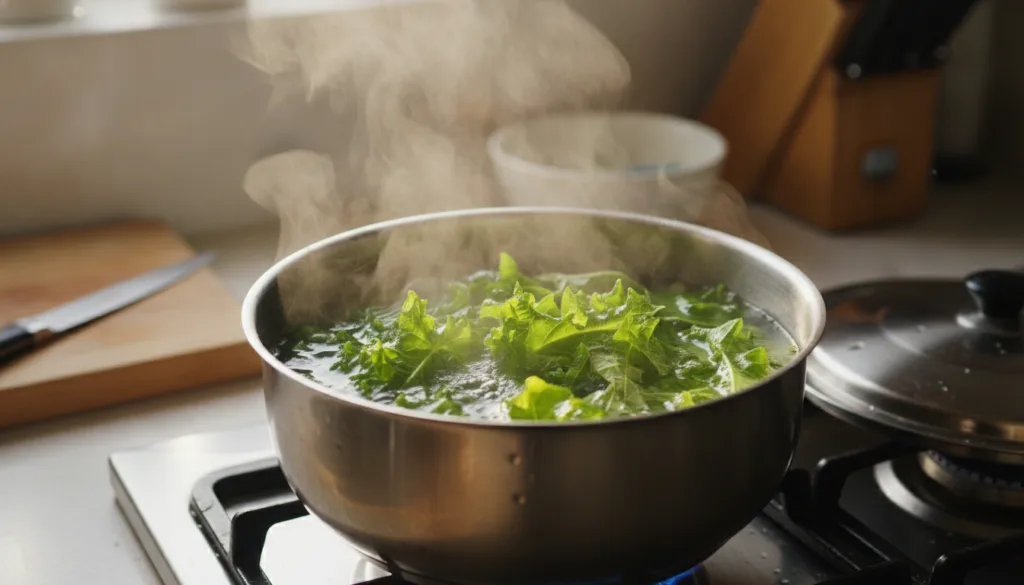
- Boil Water: In a clean saucepan, bring 4 cups of filtered water to a rolling boil.
- Add Leaves: Once the water is boiling, reduce the heat to low, add the chopped fresh or crushed dried papaya leaves.
- Simmer Gently: Cover the pot and let the leaves simmer gently for 15-20 minutes. Avoid vigorous boiling, as this can degrade some beneficial compounds. The water should turn a dark greenish-brown.
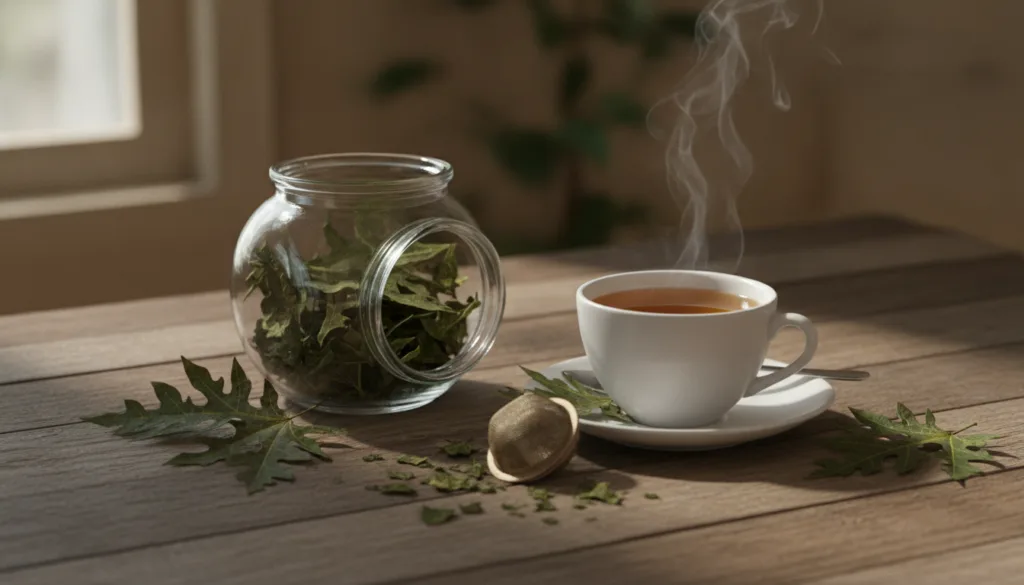
- Strain: Remove the pot from the heat and let it cool slightly. Strain the liquid using a fine-mesh sieve or cheesecloth into a clean glass jar or mug, discarding the used leaves.
- Cool and Serve: Allow the tea to cool to a comfortable drinking temperature.
How to Use
Drink one cup of freshly prepared papaya leaf tea. It has a slightly bitter taste, which can be mellowed by adding a tiny bit of raw honey or a squeeze of lemon juice, if desired. Avoid artificial sweeteners.
How Often to Use
For general wellness support, drinking one cup of papaya leaf tea once a day is a common practice. For more specific uses, consult with a qualified herbalist, as frequency might be adjusted. Listen to your body and observe how you feel.
How to Buy / How to Choose Ingredients
The quality of your ingredients directly impacts the effectiveness of your remedy.
- Fresh Leaves: Source from organic gardens or reputable growers to ensure they are free from pesticides and herbicides. Look for vibrant green, healthy leaves without any signs of disease, spots, or damage.
- Dried Leaves/Powder: Purchase from trusted herbal suppliers who specify organic or wild-harvested sources. Ensure the product is pure papaya leaf, without fillers, and stored in opaque, airtight packaging to preserve potency.
Quick Tip: When harvesting fresh leaves, choose mature, healthy leaves, avoiding the very young tender ones or old, yellowing leaves.
Storage
- Fresh Tea: Papaya leaf tea is best consumed fresh. If you prepare a larger batch, store it in an airtight glass container in the refrigerator for no more than 24-48 hours.
- Dried Leaves: Store dried papaya leaves or powder in an airtight container in a cool, dark, and dry place. Properly stored, they can last for up to 6-12 months. Keep away from direct sunlight and moisture.
Practical Tips
- Adjust Bitterness: If the bitterness is too strong, dilute the tea with a little more water or add a natural sweetener like a small amount of raw honey or maple syrup. Lemon or ginger can also improve the taste.
- Consistency is Key: For sustained benefits, regular consumption is more effective than sporadic use.
- Reuse? While it might be tempting, it’s generally not recommended to reuse the same leaves for multiple infusions, as most of their beneficial compounds will have already been extracted.
Common Mistakes
- Boiling Too Vigorously: High heat for prolonged periods can destroy delicate enzymes and other heat-sensitive compounds. Gentle simmering is crucial.
- Using Sprayed Leaves: Papaya leaves treated with pesticides can introduce harmful chemicals into your tea, negating any potential benefits. Always verify the source.
- Improper Storage: Storing leaves or tea in humid conditions or direct sunlight can lead to mold growth or degradation of active compounds.
- Ignoring Your Body: While generally safe, if you experience any discomfort, reduce dosage or discontinue use.
Comparison: Fresh vs. Dried Papaya Leaves
| Feature | Fresh Papaya Leaves | Dried Papaya Leaves |
|---|---|---|
| Potency | Often considered more potent due to higher enzyme activity. | Slightly less potent for some compounds, but still highly effective. |
| Availability | Seasonal, requires direct access to plant or specialty stores. | Year-round, widely available from herbal suppliers. |
| Preparation | Requires washing, chopping. | Ready to use, may need crushing. |
| Shelf Life | Few days in the refrigerator. | 6-12 months in a cool, dry place. |
| Dosage for Tea | 3-5 medium leaves per 4 cups water. | 1-2 tablespoons crushed leaves per 4 cups water. |
Cautions / Who Should Avoid It
While papaya leaf is generally considered safe for most adults in moderate amounts, certain individuals should exercise caution or avoid it:
- Pregnancy and Breastfeeding: There is insufficient research on the safety of papaya leaf in these conditions. It’s best to avoid use.
- Blood Thinners: Papaya leaf may have blood-thinning properties. If you are on anticoagulant medication, consult your doctor before using.
- Allergies: Individuals with allergies to papaya fruit or latex may also be sensitive to papaya leaves.
- Surgery: Discontinue use at least two weeks before any scheduled surgery due to potential blood-thinning effects.
Always consult with a healthcare professional before starting any new herbal remedy, especially if you have underlying health conditions or are taking medication.
Quick Summary
Papaya leaf tea is a simple, traditional remedy. Use fresh or dried leaves, simmer gently for 15-20 minutes, and drink one cup daily for general wellness. Store fresh tea in the fridge for up to 48 hours and dried leaves in a cool, dark place. Avoid vigorous boiling and ensure leaves are pesticide-free. Pregnant individuals and those on blood thinners should avoid it.
FAQ
- Can I use fresh or dried papaya leaves?
Yes, both fresh and dried leaves are effective. The preparation steps and approximate measurements will vary slightly. - How long does papaya leaf tea last?
Freshly brewed tea is best. You can store it in the refrigerator for up to 24-48 hours in an airtight container. - Can I refrigerate papaya leaf tea?
Yes, you can refrigerate it, but it’s best consumed within 1-2 days. - How often should I use papaya leaf tea?
For general wellness, once a day is a common recommendation. Always consult a healthcare professional for personalized advice. - What part of the papaya plant is best to use?
For the benefits discussed, the leaves are the primary part used, specifically mature green leaves. - Can I reuse the leaves for another batch of tea?
It’s generally not recommended, as most of the beneficial compounds are extracted during the first simmer. - When should I avoid papaya leaf?
Avoid if pregnant, breastfeeding, on blood thinners, or if you have a known allergy to papaya. Consult a doctor if unsure.
You may also like: Read our full guide on traditional herbal infusions.
Conclusion
Moving beyond the fruit, the papaya leaf stands as a testament to nature’s often-overlooked gifts. With its rich array of beneficial compounds, preparing a simple papaya leaf tea offers a practical and accessible way to support your overall wellness. By following these clear, step-by-step instructions and understanding the crucial storage and caution notes, you can confidently integrate this tropical treasure into your daily routine. Remember, precision in preparation and consistency in use are your keys to unlocking the astonishing healing powers hidden within this remarkable leaf.
Related remedy: Explore the benefits of Turmeric golden paste.