Turn Your Sloped Yard into a Terraced Paradise: A Productive Garden Guide
Many gardeners look at a sloped backyard and see a daunting challenge: erosion, runoff, difficult access, and wasted space. But what if that frustrating incline could become your garden’s greatest asset? Imagine stepping out into a beautiful, multi-tiered oasis, brimming with fresh produce and accessible pathways. The secret lies in terracing, an ancient yet incredibly effective technique that transforms steep grades into fertile, level growing areas. This guide will walk you through turning that barren hill into a thriving, productive, and easily managed terraced garden, no matter your experience level. Get ready to reclaim your landscape and cultivate a truly unique outdoor space.
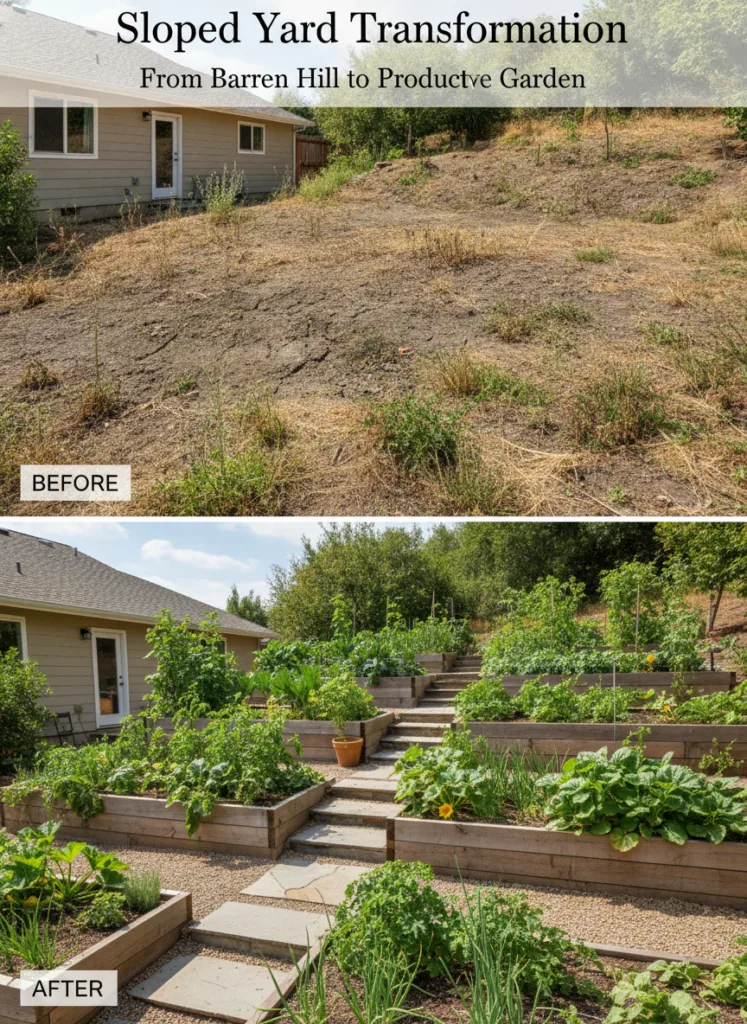
The Power of Terracing: Why It Works for Sloped Yards
At its heart, terracing is about creating flat, stable surfaces on a slope, effectively turning a single, challenging incline into a series of manageable, level garden beds. This method offers a multitude of benefits that address the common issues of sloped yards while enhancing their potential:
- Erosion Control: Slopes are highly susceptible to soil erosion from rain and wind. Terraced walls act as barriers, slowing down water runoff and holding soil in place, preserving precious topsoil and nutrients.
- Improved Water Retention: Instead of water rushing down the slope, terraces allow it to penetrate the soil more effectively, providing consistent moisture to your plants and reducing water waste.
- Enhanced Accessibility: Navigating a steep slope can be difficult and even dangerous. Integrating pathways and steps between terraces makes gardening activities like planting, weeding, and harvesting much easier and safer.
- Optimal Growing Conditions: Flat beds provide a more consistent growing medium and better light exposure for plants compared to uneven ground. You can amend the soil in each bed precisely for the plants you wish to grow.
- Increased Growing Space: By creating distinct, level areas, you can maximize your planting potential, turning previously unusable land into highly productive garden beds.
- Aesthetic Appeal: Terraces add architectural interest and structure to your landscape, creating a beautiful, organized, and visually dynamic garden that blends functionality with design.
Designing Your Accessible Terraced Garden
Careful planning is the foundation of a successful terraced garden. Start by observing your sloped yard:
Site Analysis and Sunlight
Spend a few days monitoring how sunlight hits your slope throughout the day and across seasons. Most edible plants, like those thriving in the example garden, require at least 6-8 hours of direct sunlight. Note areas of full sun, partial sun, and shade. Consider the slope’s orientation—a south-facing slope receives the most sun, while a north-facing one will be shadier. This observation will guide your plant selection.
Mapping the Slope and Drainage
Determine the degree of your slope. Gentle slopes might only need a few wide terraces, while steeper ones will require more, narrower levels. Mark out the approximate locations and heights of your proposed terraces. Drainage is paramount; ensure that each terrace has a slight back-to-front slope (away from the retaining wall) or incorporates gravel layers behind the walls to allow excess water to escape without damaging the structure.
Choosing Your Materials and Pathways
The choice of materials for your retaining walls impacts both aesthetics and durability. Weathered wood, as seen in the transformed garden, offers a rustic, natural look and is relatively easy to work with. Other options include natural stone, concrete blocks, or gabion cages. Consider the overall look you want to achieve and your budget. For pathways, natural stone steps and gravel create a practical, permeable, and visually appealing route through your garden, providing easy access to all your growing areas.
Building Your Terraces: Step-by-Step Guidance
Building terraces involves a bit of labor, but the rewards are well worth it. Here’s a simplified overview:
- Outline and Excavate: Begin by staking out the outline of your lowest terrace. Dig a level trench for the base of your first retaining wall. For stability, this trench should be below the frost line in cold climates and wide enough to accommodate your chosen material.
- Build Retaining Walls: Construct your first wall. For wood, this means securing treated lumber with rebar or stakes. For stone or block, ensure a solid, level foundation of gravel and sand. Build the wall up to your desired height, ensuring it’s level.
- Backfill and Prepare Beds: Once the first wall is stable, backfill the area behind it with good quality topsoil, compost, and organic matter to create your first level growing bed. Repeat this process for each subsequent terrace, working your way up the slope.
- Install Pathways: Integrate your stone steps and gravel paths as you build. This ensures they are properly seated and blend seamlessly with the terraces. Lay a weed barrier beneath gravel paths to prevent future maintenance headaches.
- Final Soil Preparation: Before planting, thoroughly mix the new soil in each bed, ensuring good drainage and nutrient content. A soil test can help determine any amendments needed.
Planting Your Productive Terraced Garden
With your terraces built, it’s time for the exciting part: planting! The example garden showcases a variety of healthy edibles, a perfect inspiration for a productive space.
Versatile Edibles for Your Terraces
- Leafy Greens: Varieties like lettuce, spinach, kale, and Swiss chard are excellent choices for terraced beds. They thrive in partial to full sun and appreciate consistent moisture. You can succession plant them (sow small batches every few weeks) for a continuous harvest.
- Squash (Summer & Winter): The yellow flowers in the example suggest squash is thriving. Bush varieties of summer squash (zucchini, yellow squash) are ideal for contained beds. Vining winter squash (pumpkins, butternut) can be grown on upper terraces, allowing their vines to cascade gracefully down the slope without overrunning other plants. They need full sun, rich soil, and plenty of water, especially as fruits develop.
- Herbs & Onions/Chives: While not definitively identifiable, plants like chives or bunching onions are often found in such gardens due to their ease of growth and culinary use. Most herbs (rosemary, thyme, oregano, basil) also do well in raised beds with good drainage and full sun.
When selecting plants, consider their mature size and sun requirements. Place taller plants on lower terraces or at the back of beds to avoid shading smaller neighbors. Group plants with similar watering needs together for efficient care.
Key Plant Care Tips for Terraces
- Watering Smart: Terraced beds often dry out faster than in-ground gardens. Use drip irrigation or soaker hoses to deliver water directly to the root zone, minimizing evaporation and runoff. Water deeply and consistently, especially during dry spells.
- Soil Health: Regularly amend your soil with compost. This enriches the soil, improves its structure, and helps retain moisture, reducing the need for synthetic fertilizers. Mulch around plants to suppress weeds and regulate soil temperature.
- Pest Management: Healthy plants are less susceptible to pests. Practice good garden hygiene, rotate crops in your beds, and inspect plants regularly for signs of trouble. Use organic pest control methods like hand-picking, insecticidal soap, or introducing beneficial insects before resorting to stronger measures.
- Harvesting & Pruning: Regular harvesting of leafy greens encourages more growth. Prune vining plants like squash to manage their size and direct energy towards fruit production.
Common Mistakes and How to Avoid Them
Even seasoned gardeners can make missteps, especially with a new project like terracing. Here are a few common pitfalls to avoid:
- Ignoring Drainage: The single biggest mistake. Without proper drainage, water can build up, putting immense pressure on retaining walls and leading to structural failure or soggy plant roots. Always ensure adequate drainage behind and within your terrace beds.
- Using Untreated Wood: While natural wood looks great, untreated lumber in contact with soil will rot quickly. Opt for pressure-treated lumber (ensure it’s safe for edible gardens) or naturally rot-resistant woods like cedar or redwood for longevity.
- Improper Wall Construction: Walls that are too short, not properly anchored, or built on an unstable foundation will fail over time. Invest in proper construction techniques or consult with a landscape professional for steep slopes.
- Overcrowding Plants: While it’s tempting to maximize every inch, overcrowding reduces airflow, increases disease risk, and limits yield. Give your plants adequate space to grow and thrive.
- Poor Soil Preparation: Simply filling beds with cheap soil will lead to disappointing results. Invest in high-quality compost and topsoil, and amend it based on your plants’ needs.
Regional Considerations and USDA Zones
The success of your edible terraced garden also hinges on understanding your local climate. USDA Hardiness Zones are a valuable tool for determining which perennial plants can survive winter in your area, but they don’t account for summer heat, rainfall, or local microclimates.
- Zones 3–5 (Cold Climates): Focus on cold-hardy annual vegetables and ensure any perennial herbs or berry bushes are rated for your zone. Extend your season with cold frames or row covers on your terraces.
- Zones 6–8 (Temperate Climates): Enjoy a longer growing season, allowing for multiple successions of cool-season crops and a wide variety of warm-season vegetables. Pay attention to your last and first frost dates.
- Zones 9–11 (Warm Climates): You might have year-round gardening potential. Consider heat-tolerant varieties of leafy greens and embrace warm-season crops. Be mindful of intense summer sun, which might require some shading for certain plants.
Always consult your local extension office for specific planting calendars, recommended varieties, and pest management strategies tailored to your region. They are an invaluable resource for backyard gardeners.
Cultivate Your Dream Garden
Transforming a sloped yard into a productive, accessible terraced garden is a journey that blends planning, effort, and creativity. By understanding the principles of terracing, choosing the right materials, and providing thoughtful plant care, you can turn a challenging landscape feature into a breathtaking and bountiful part of your home. Embrace the process, enjoy the fresh flavors of your harvest, and take pride in creating a sustainable garden that not only feeds your family but also enhances the beauty and value of your property. Your dream garden is within reach – it’s time to start digging!