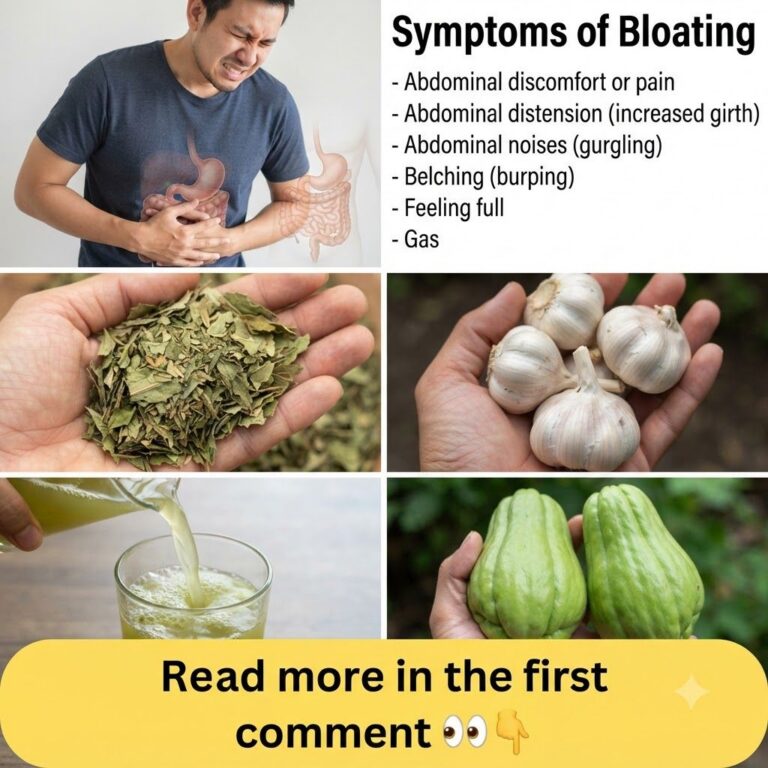
Most people walk right past one of nature’s most potent digestive aids, often dismissing it as nothing more than a common garden weed. While the bright yellow flowers of the dandelion are undeniably charming, it’s the leaves of this humble plant that herbalists covet for their incredible ability to soothe an upset digestive system, particularly when bloating strikes.
Bloating isn’t just uncomfortable; it can disrupt your day, leaving you feeling heavy and sluggish. Before you reach for over-the-counter solutions, consider turning to a natural remedy that has been used for centuries to gently encourage digestion and reduce that distended feeling.
What It Is: Dandelion Leaf Tea for Bloating
Dandelion (Taraxacum officinale) is far more than a lawn nuisance. Its leaves are rich in vitamins, minerals, and compounds that support liver function and act as a natural diuretic. This diuretic effect is key to combating water retention, which often contributes significantly to feelings of bloating. Beyond that, dandelion leaves contain bitter compounds that stimulate digestive juices, helping your body break down food more efficiently and prevent gas buildup.
Making a simple tea from dandelion leaves is one of the most effective ways to harness these benefits for quick relief and long-term digestive health.
Ingredients You’ll Need
The beauty of this remedy lies in its simplicity. You’ll need minimal ingredients, most of which might already be in your garden or readily available at your local health food store.
- Dandelion Leaves: Freshly picked or dried. Ensure they are harvested from an area free of pesticides and pollutants.
- Water: Filtered water is always preferred for the best taste and purity.
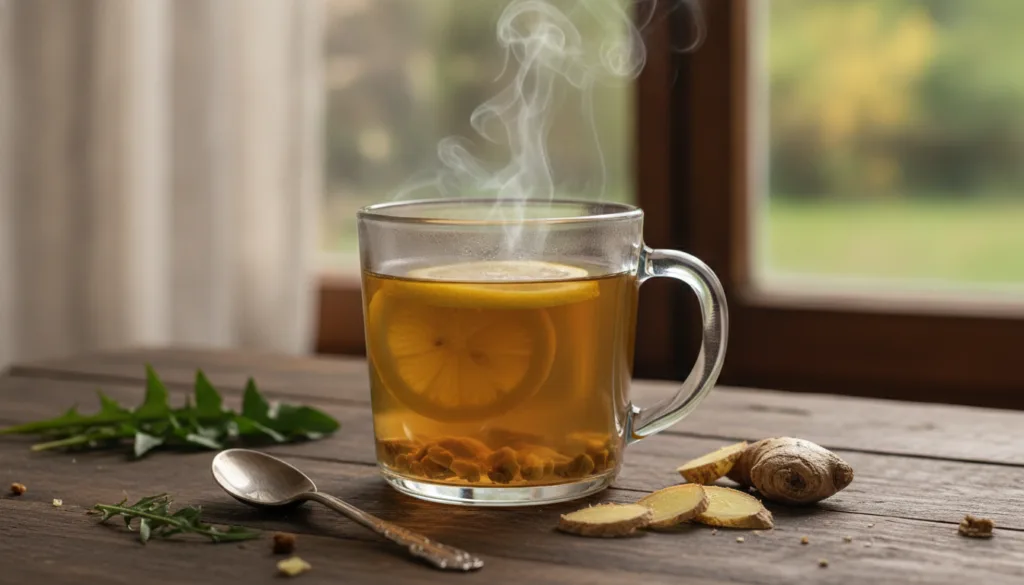
- Optional Enhancements: A slice of fresh ginger, a squeeze of lemon, or a tiny bit of honey can improve taste and add extra digestive benefits.
Approximate Measurements
Getting the right strength is important for both effectiveness and taste.
- For Fresh Leaves: 1-2 teaspoons of finely chopped fresh dandelion leaves per 8 ounces (1 cup) of water.
- For Dried Leaves: 1 teaspoon of dried dandelion leaves per 8 ounces (1 cup) of water.
- Water: 8-10 ounces (1 cup) per serving.
The Simple Formula: Dandelion Bloating Relief Tea
This formula focuses on maximizing the extraction of beneficial compounds while creating a pleasant, drinkable tea.
Ratio: 1 part dandelion leaves to 1 part water (by general volume, adjusting for fresh vs. dried).
Step-by-Step Method
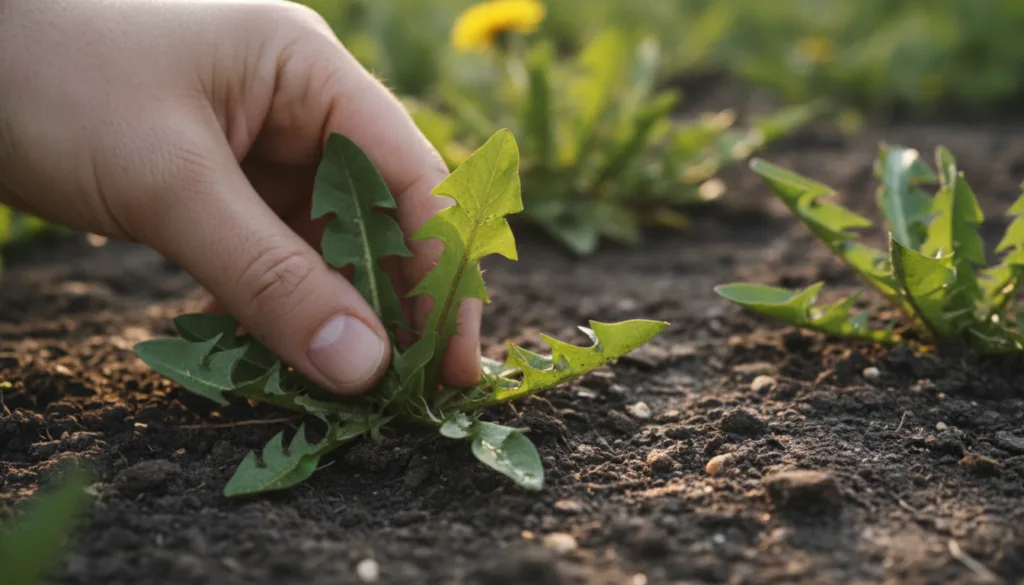
- Prepare the Leaves: If using fresh leaves, rinse them thoroughly under cold water to remove any dirt or insects. Chop them finely. If using dried leaves, no preparation is needed beyond measuring.
- Heat the Water: Bring your filtered water to a boil in a small pot or kettle.
- Combine: Place the chopped fresh dandelion leaves or dried dandelion leaves into a tea infuser, a French press, or directly into your mug.
- Pour & Steep: Pour the hot water over the leaves.
- Infuse: Cover your mug or pot to retain heat and steep for 5-10 minutes. For a stronger tea, steep longer.
- Strain & Serve: Remove the infuser or strain the tea through a fine-mesh sieve. Add optional ginger, lemon, or honey if desired.
Quick Tip: Don’t Boil the Leaves Directly
While some herbal preparations involve boiling the plant material, for delicate dandelion leaves, an infusion (steeping in hot water) is generally preferred. Boiling can degrade some of the beneficial compounds, resulting in a less effective and sometimes more bitter tea.
How to Use It
For acute bloating relief, drink a warm cup of dandelion leaf tea shortly after a meal that typically causes discomfort, or when you feel bloating starting. For general digestive support, enjoy a cup in the morning or before your largest meal of the day.
How Often to Use It
You can safely drink 1-3 cups of dandelion leaf tea per day. For consistent bloating issues, consider incorporating it into your daily routine for a week or two, then adjust as needed. Listen to your body and find what works best for you.
How to Buy / How to Choose Ingredients
When it comes to dandelion leaves, quality matters significantly:
- Harvesting Fresh: If foraging, choose leaves from areas you know are free from pesticides, herbicides, and pet waste. Avoid roadside areas or public parks that may be sprayed. Young, tender leaves tend to be less bitter.
- Buying Dried: Purchase dried organic dandelion leaves from reputable herbal suppliers or health food stores. Look for products that are vibrant green and free from excessive dust or discoloration.
Did You Know?
The entire dandelion plant is edible! While the leaves are excellent for tea, the roots can be roasted and brewed into a coffee substitute, and the flowers can be used in salads or made into wine.
Storage
- Fresh Leaves: Store unwashed fresh dandelion leaves in a plastic bag in the refrigerator for up to 3-5 days. Wash just before use.
- Dried Leaves: Keep dried dandelion leaves in an airtight container in a cool, dark place. They can last for up to one year, though potency may decrease over time.
- Prepared Tea: Dandelion tea is best enjoyed fresh. If you have leftovers, store them in an airtight container in the refrigerator for up to 24 hours. Reheat gently or enjoy cold.
Practical Tips for Maximum Relief
- Add Ginger: A thin slice of fresh ginger root steeped with your dandelion leaves can amplify the anti-inflammatory and digestive benefits.
- Lemon Boost: A squeeze of fresh lemon juice not only adds flavor but also provides vitamin C and aids digestion.
- Mindful Drinking: Sip your tea slowly and mindfully. Rushing can introduce more air into your stomach, potentially worsening bloating.
- Stay Hydrated: While dandelion acts as a diuretic, staying generally well-hydrated helps your body flush toxins and supports healthy digestion.
Common Mistakes to Avoid
- Using Sprayed Plants: Harvesting dandelion from areas treated with pesticides or herbicides can introduce harmful chemicals into your remedy. Always ensure your source is clean.
- Over-Steeping: While a longer steep makes a stronger tea, over-steeping dandelion leaves can sometimes make the tea excessively bitter. Experiment to find your preferred strength.
- Confusing Plants: While dandelion is easily recognizable, make sure you’re positively identifying it. There are other plants that look similar but lack the same beneficial properties.
- Boiling Leaves: As mentioned, boiling can degrade compounds. Infusion is the gentle method for leaves.
Cautions / Who Should Avoid It
While dandelion is generally safe for most people, there are a few considerations:
- Allergies: Individuals allergic to ragweed, chrysanthemums, marigolds, or daisies may also be allergic to dandelion.
- Gallbladder Issues: Dandelion can stimulate bile production. If you have gallstones or gallbladder disease, consult a healthcare professional before use.
- Diuretics: Because dandelion acts as a natural diuretic, avoid combining it with pharmaceutical diuretics without medical supervision.
- Blood Thinners: Dandelion contains vitamin K, which can affect blood clotting. If on blood thinners, consult your doctor.
- Pregnancy/Breastfeeding: Due to limited research, it’s best to consult a doctor before using dandelion during pregnancy or breastfeeding.
Quick Summary
- Best Preparation: Infusion of fresh or dried dandelion leaves.
- Best Use-Case: Alleviating bloating, supporting digestion, and gentle detoxification.
- Storage: Fresh in the fridge (3-5 days), dried in airtight container (up to 1 year), prepared tea in fridge (24 hours).
- When to Use: After meals for acute relief, or daily for consistent support.
- What to Avoid: Sprayed plants, boiling leaves, and use with certain medications without consultation.
FAQ
Q1: Can I use fresh or dried dandelion leaves?
Yes, both fresh and dried leaves can be used. Adjust the quantity—you’ll need more fresh leaves than dried for the same strength.
Q2: How long does dandelion tea last once prepared?
It’s best consumed fresh. You can refrigerate any leftovers in an airtight container for up to 24 hours.
Q3: Can I refrigerate or freeze fresh dandelion leaves?
You can refrigerate fresh leaves for a few days. Freezing is possible, but it can alter the texture and some compounds, making them better for smoothies than tea.
Q4: What part of the dandelion plant is best for bloating?
The leaves are primarily used for their diuretic and digestive properties to combat bloating.
Q5: How often should I drink dandelion tea for bloating?
1-3 cups per day is generally suitable for acute relief or daily digestive support.
Q6: Can I reuse the dandelion leaves for another cup of tea?
While you can, the potency and flavor will be significantly reduced after the first steep. It’s generally recommended to use fresh leaves for each cup.
Q7: When should I avoid dandelion tea?
Avoid if you have allergies to related plants, certain gallbladder conditions, or are on specific medications like diuretics or blood thinners without consulting a doctor.
Embrace Your Garden’s Secret
Next time you see a dandelion, think twice before pulling it out. This humble plant, often dismissed as a weed, holds a powerful secret for natural bloating relief and overall digestive wellness. By following this simple guide, you can unlock its potential and transform an everyday garden plant into a soothing herbal remedy. Experiment with adding other digestive-friendly ingredients, stay consistent, and enjoy the comfort that nature provides.
You may also like: Read our full guide on natural remedies for common digestive issues
Related remedy: Learn how to make a soothing ginger peppermint tea for indigestion