Overnight oats have become a breakfast staple for busy mornings, beloved for their convenience, nutritional value, and endless customization options. But if you’re a fan of meal prepping, you’ve probably wondered: how long do overnight oats truly stay fresh? What actually happens to your carefully prepared jar after a day or two in the refrigerator?
While visually, a fresh batch and a two-day-old batch of overnight oats might look remarkably similar – complete with vibrant fruit and crunchy toppings – there are subtle shifts occurring beneath the surface. These changes can affect everything from texture and flavor to food safety and overall enjoyment. Let’p>Join us as we explore the journey of your overnight oats from freshly made to two days old, uncovering the real changes that take place while they sit in the fridge, and how you can ensure every spoonful is as delicious and safe as possible.
The Magic of Overnight Oats: A Quick Refresher
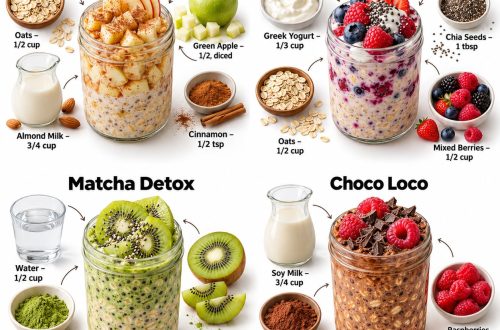
Before diving into the changes, let’s briefly revisit why overnight oats are such a health-conscious choice. This simple dish involves soaking rolled oats (and often chia seeds) in liquid, usually milk or a dairy-free alternative, overnight in the refrigerator. This process softens the oats without cooking, making them easily digestible and ready to eat straight from the jar.
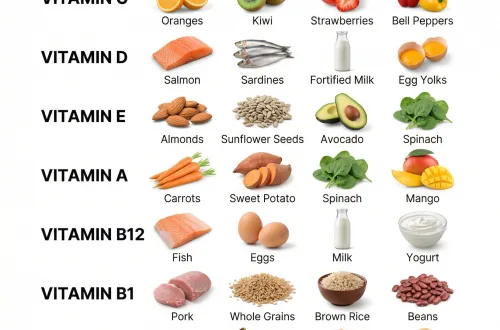
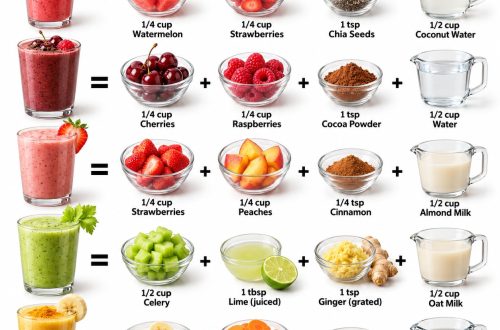
Overnight oats are packed with fiber, which aids digestion and can help keep you feeling full and satisfied. Adding ingredients like chia seeds boosts their omega-3 fatty acid content, while fresh fruits and nuts provide essential vitamins, minerals, and healthy fats. They’re a fantastic foundation for a balanced, high-protein breakfast, and an ideal solution for those seeking healthy breakfast ideas that save time.
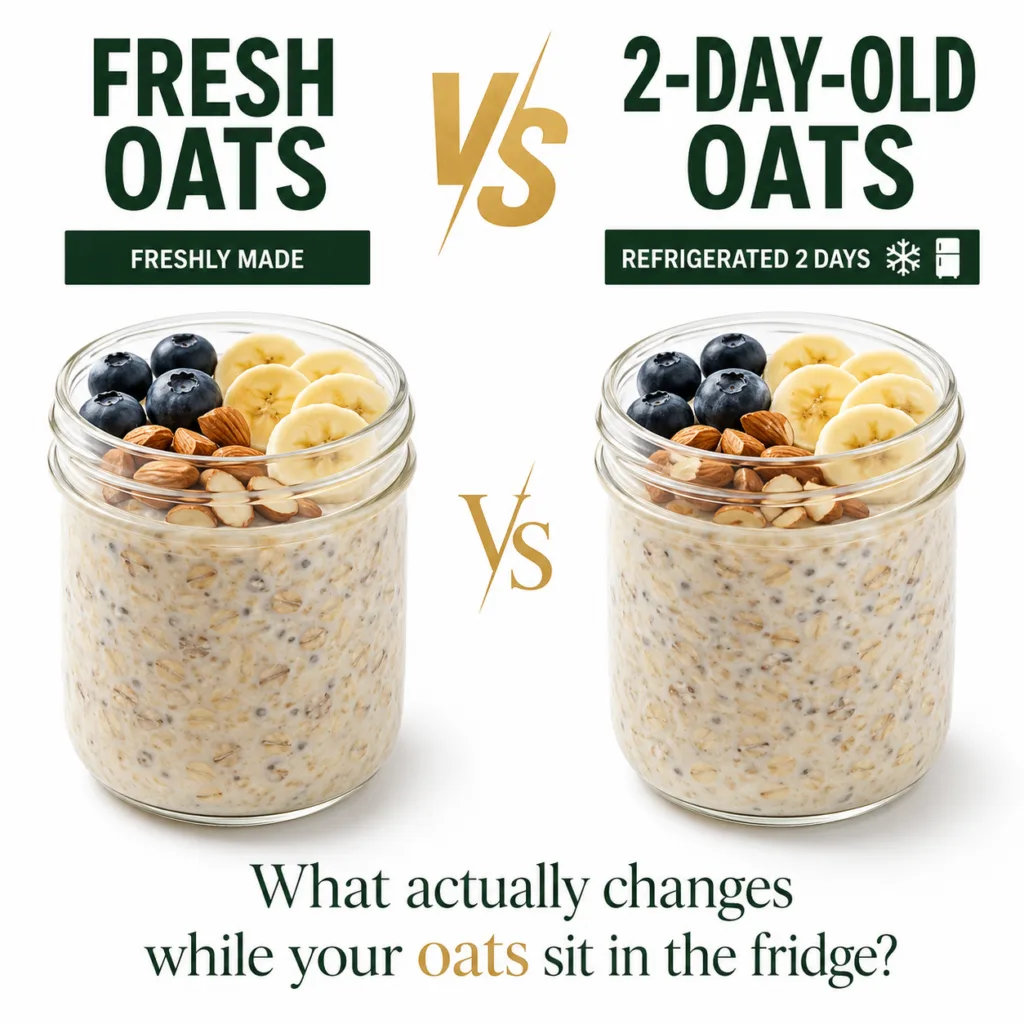 Can you tell the difference between fresh and 2-day-old overnight oats just by looking?
Freshly Made vs. Two Days Later: What Really Changes?
The core question remains: what actually changes when your overnight oats sit in the fridge for a couple of days? While they may not visibly spoil, subtle transformations are definitely underway.
Texture Transformations
- Freshly Made (Day 1): The oats are soft yet often retain a pleasant chewiness. Chia seeds are fully hydrated, creating a thick, creamy consistency. Toppings like fruit are firm and vibrant.
- Two Days Later (Day 3): The oats continue to absorb liquid, often becoming even softer and potentially mushier. The mixture might thicken further, especially if chia seeds are present, as they continue to gel. Soft fruits, like bananas, will become much softer and may start to break down.
Flavor Evolution
- Freshly Made (Day 1): Flavors are distinct and bright. The sweetness of fruit and any added sweeteners (like honey or maple syrup) is pronounced.
- Two Days Later (Day 3): Flavors tend to meld together. The individual notes of fruits might become less sharp and more integrated into the overall oat mixture. Depending on the ingredients and storage, a very slight sourness can begin to develop, indicating the initial stages of fermentation, though this isn’t necessarily a sign of spoilage within the safe window.
Nutritional Stability
- Macronutrients: The major components – carbohydrates, protein, and fat – remain largely stable over two days. The fiber content of the oats and chia seeds also holds up well.
- Micronutrients: Some delicate, water-soluble vitamins (like Vitamin C in fresh berries) may slightly degrade over time due to exposure to light and air, even in the fridge. However, the overall nutritional profile of overnight oats, rich in minerals, fiber, and healthy fats (especially from chia seeds), remains robust.
Food Safety & Shelf Life
This is arguably the most critical aspect. While your oats might still look and smell acceptable after two days, it’s essential to understand the general guidelines for food safety.
- General Recommendation: Most experts recommend consuming overnight oats within 3 to 5 days when stored properly in the refrigerator. After this period, the risk of bacterial growth increases, even if there are no visible signs of spoilage.
- Factors Affecting Shelf Life: The type of milk (dairy milk spoils faster than some plant-based milks), the freshness of toppings (especially ripe fruit), and whether the container is airtight all play a role in how long your overnight oats last.
Maximizing the Lifespan and Freshness of Your Overnight Oats
To enjoy your overnight oats at their best for as long as possible, consider these practical tips, especially if you’re into healthy meal prep ideas:
- Use Fresh Ingredients: Start with the freshest milk, oats, and toppings. Overripe fruit will spoil faster and can contaminate the entire batch.
- Choose Airtight Containers: This is key! Glass jars with tight-fitting lids are ideal. They prevent air exposure, which can lead to oxidation and bacterial growth, and help maintain the oats’ texture and flavor. Look for the best overnight oats containers designed for meal prep.
- Add Delicate Toppings Later: If you’re prepping for several days, add highly perishable or crunchy toppings like fresh berries, nuts, or banana slices just before serving. This keeps them fresh and prevents them from getting soggy or spoiling prematurely.
- Refrigerate Promptly: Always place your overnight oats in the fridge immediately after preparation.
- Keep it Clean: Use clean utensils and containers to minimize introducing bacteria.
Signs Your Overnight Oats Have Gone Bad
Even with careful storage, it’s crucial to know when to discard your overnight oats. Trust your senses:
- Off-Smell: A sour, yeasty, or otherwise unpleasant odor is the most common sign.
- Visible Mold: Any fuzzy patches, discoloration, or unusual growths mean it’s time to toss them.
- Texture Changes: While some softening is normal, if the oats become excessively slimy or unusually watery, this could indicate spoilage.
- Unusual Taste: If it tastes distinctly sour or ‘off,’ don’t risk it.
Frequently Asked Questions About Overnight Oats Storage
How long do overnight oats last in the fridge?
Generally, overnight oats are safe and best to eat within 3 to 5 days when stored in an airtight container in the refrigerator.
Can you freeze overnight oats?
Yes, you can freeze overnight oats! This extends their shelf life significantly, up to 1-2 months. Thaw them in the refrigerator overnight before eating. Note that delicate toppings may not hold up well to freezing and thawing.
What about different toppings? Do they affect shelf life?
Absolutely. Fresh, soft fruits like bananas and berries tend to break down and spoil faster than heartier additions like nuts, seeds, or dried fruit. For longer storage, it’s best to add fresh toppings just before serving.
What’s the best container for overnight oats?
Glass jars with airtight lids (like Mason jars) are ideal. They are non-reactive, easy to clean, and provide a good seal to keep your oats fresh.
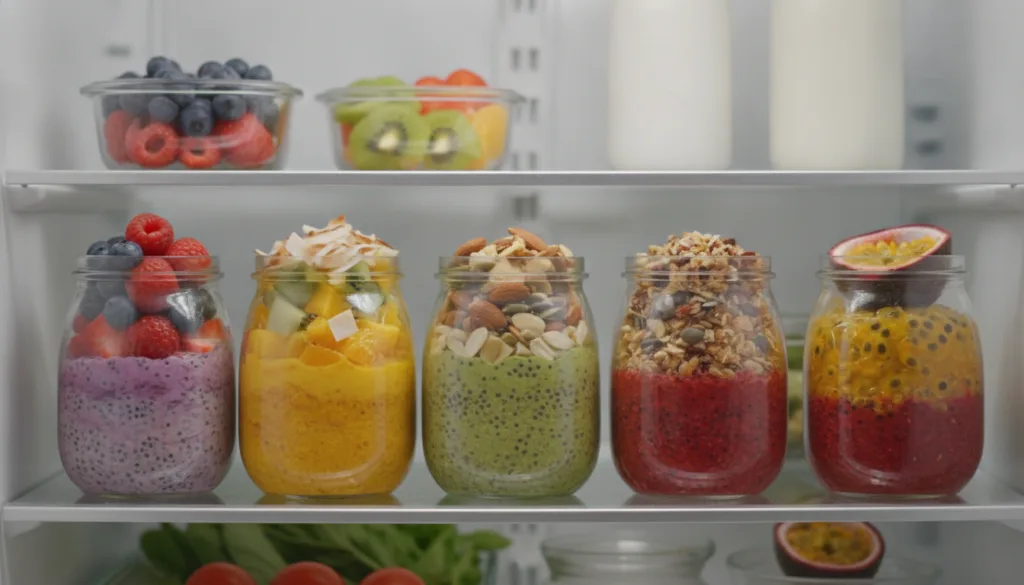 Meal prepping overnight oats can simplify your mornings, but proper storage is key.
Final Thoughts
Understanding the subtle shifts in your overnight oats from fresh to two days old empowers you to enjoy this convenient breakfast with confidence. While visual changes may be minimal, being aware of potential textural, flavor, and especially food safety considerations ensures that every spoonful remains a delightful and nutritious start to your day. Embrace mindful meal prepping, store your oats wisely, and savor the simplicity of a healthy breakfast, any day of the week.
Medical Disclaimer
The information provided in this article is for general knowledge and informational purposes only, and does not constitute medical advice. Always consult with a qualified healthcare professional or registered dietitian before making any decisions related to your health or diet.