Unlock the potential of your breakfast by understanding how a simple change in meal order can make a significant difference to your energy levels, satiety, and even blood sugar management. When it comes to starting your day, many of us focus on what we eat, but often overlook how we eat it. The concept of breakfast meal sequencing, specifically whether you consume your protein or carbohydrates first, is gaining traction for its surprising impacts on your well-being.
This article dives into two distinct strategies: the traditional ‘Oats First’ approach and the increasingly popular ‘Protein First’ method. We’ll explore the implications of each, providing a clear understanding of how a minor adjustment to your morning routine could lead to major benefits for your health goals. Get ready to rethink your breakfast plate and discover how sequencing can optimize your daily nutrition.
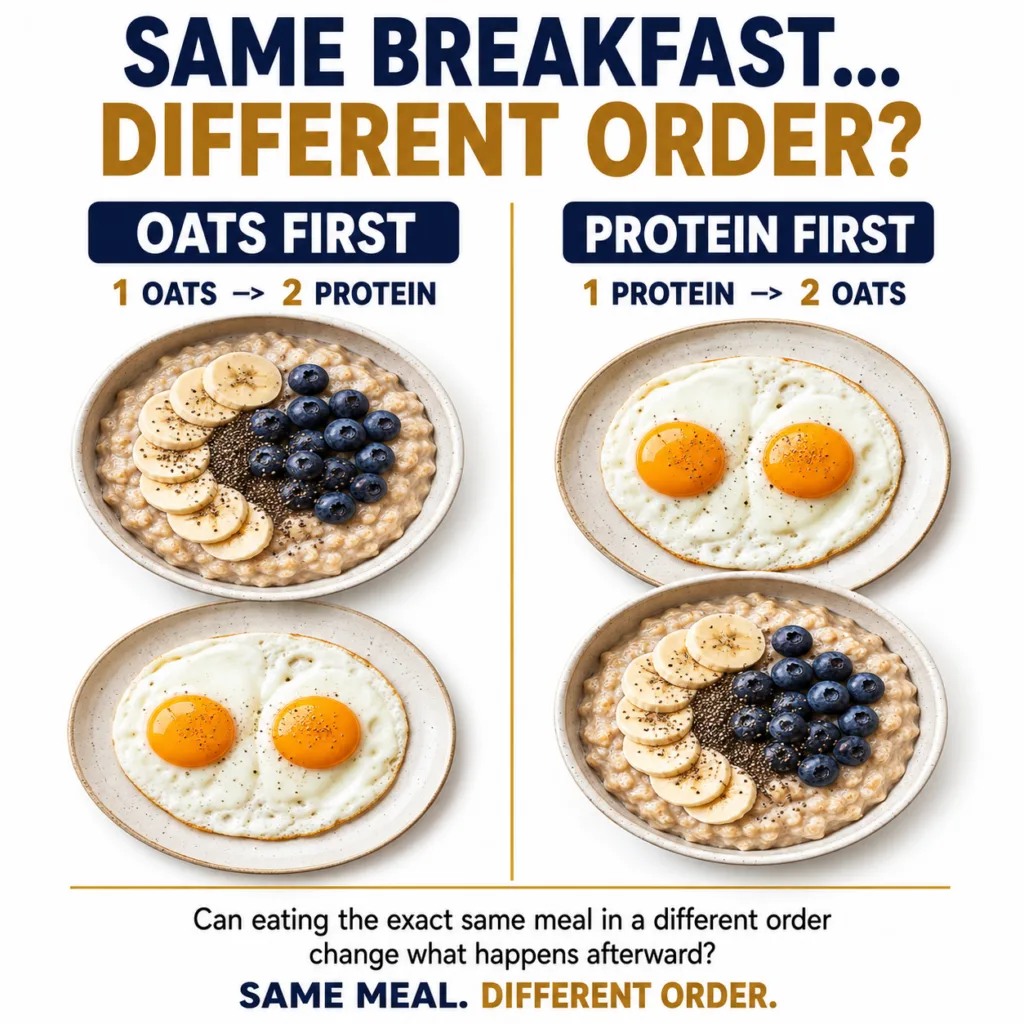 Does the order of your breakfast components truly impact your day?
The Science Behind Meal Sequencing: Why Order Matters
Meal sequencing is the practice of strategically arranging the order in which you eat different food groups within a single meal. While it might seem like a minor detail, research suggests that this order can significantly influence your body’s post-meal response, particularly regarding blood glucose levels and insulin secretion.
Understanding Glycemic Response
When you eat carbohydrates, they are broken down into glucose, which enters your bloodstream. This causes your blood sugar to rise, prompting your pancreas to release insulin, a hormone that helps transport glucose into your cells for energy. A rapid spike in blood sugar followed by a crash can lead to energy dips, cravings, and, over time, may contribute to insulin resistance.
Proteins and fats, on the other hand, tend to slow down digestion and the absorption of carbohydrates, leading to a more gradual and controlled rise in blood sugar. This is the core principle behind why meal sequencing, especially at breakfast, can be so impactful.
Option 1: The “Oats First” Approach
This is the traditional way many people consume breakfast: starting with carbohydrate-rich foods like oatmeal, often followed by or alongside protein sources. In this sequencing, your body processes the carbohydrates first.
What it Entails: Oats First, Then Protein
Imagine enjoying a comforting bowl of oatmeal, perhaps topped with fresh fruit and seeds, and then moving on to a protein-rich dish like eggs. This method prioritizes fiber and complex carbohydrates upfront.
- Potential Benefits:
- Quick Energy: Carbohydrates are your body’s primary and most readily available source of energy, providing a quick start to your day.
- Fiber First: Oatmeal is packed with soluble fiber, which can contribute to digestive health and a feeling of fullness.
- Familiar Comfort: For many, this order feels natural and traditional, offering a comforting morning routine.
- Considerations:
- Blood Sugar Impact: For some individuals, consuming a significant amount of carbohydrates on an empty stomach might lead to a faster and higher blood sugar spike, especially if the protein component is consumed much later.
Your “Oats First” Breakfast Recipes
Classic Berry & Banana Oatmeal
- Servings: 1
- Prep Time: 5 minutes
- Cook Time: 5-7 minutes
- Ingredients:
- 1/2 cup rolled oats
- 1 cup water or milk (dairy or non-dairy)
- 1/2 ripe banana, sliced
- 1/4 cup fresh blueberries
- 1 tablespoon chia seeds
- Optional: 1 teaspoon maple syrup or honey for sweetness
- Instructions:
- Combine oats and water/milk in a small saucepan. Bring to a boil, then reduce heat and simmer for 5-7 minutes, stirring occasionally, until liquid is absorbed and oats are creamy.
- Pour oatmeal into a bowl.
- Top with sliced banana, fresh blueberries, and chia seeds.
- If desired, drizzle with maple syrup or honey.
Simple Fried Eggs
- Servings: 1
- Prep Time: 1 minute
- Cook Time: 3-5 minutes
- Ingredients:
- 2 large eggs
- 1 teaspoon olive oil or butter
- Pinch of salt and black pepper
- Instructions:
- Heat olive oil or butter in a non-stick skillet over medium heat until shimmering.
- Crack eggs into the skillet, being careful not to break the yolks.
- Cook for 2-3 minutes for sunny-side up (runny yolk), or flip and cook for another 1-2 minutes for over-easy or over-medium.
- Season with salt and pepper.
Option 2: The “Protein First” Strategy
This method involves consuming your protein source before or with the majority of your carbohydrates. This subtle shift can have notable effects on your body’s metabolic response.
What it Entails: Protein First, Then Oats
Begin your breakfast with two perfectly fried eggs, allowing your body to process the protein and healthy fats. Afterward, you enjoy your nutrient-rich bowl of oatmeal, complete with fruits and chia seeds. This approach leverages the power of protein and fat to temper the carbohydrate impact.
- Potential Benefits:
- Stabilized Blood Sugar: Eating protein and fat first can create a barrier in your digestive system, slowing down the absorption of glucose from subsequent carbohydrates. This may lead to a more gradual rise in blood sugar and less dramatic insulin response.
- Increased Satiety: Protein is well-known for its ability to promote fullness. Starting with protein can help you feel satisfied for longer, potentially reducing cravings and overall calorie intake throughout the morning.
- Muscle Support: A protein-rich start can kickstart muscle protein synthesis, essential for muscle repair and growth, especially after an overnight fast.
- Considerations:
- Less Traditional: This order might feel unconventional initially, but many find they adapt quickly once they experience the benefits.
Your “Protein First” Breakfast Recipes
Simple Fried Eggs
- Servings: 1
- Prep Time: 1 minute
- Cook Time: 3-5 minutes
- Ingredients:
- 2 large eggs
- 1 teaspoon olive oil or butter
- Pinch of salt and black pepper
- Instructions:
- Heat olive oil or butter in a non-stick skillet over medium heat until shimmering.
- Crack eggs into the skillet, being careful not to break the yolks.
- Cook for 2-3 minutes for sunny-side up (runny yolk), or flip and cook for another 1-2 minutes for over-easy or over-medium.
- Season with salt and pepper.
Classic Berry & Banana Oatmeal
- Servings: 1
- Prep Time: 5 minutes
- Cook Time: 5-7 minutes
- Ingredients:
- 1/2 cup rolled oats
- 1 cup water or milk (dairy or non-dairy)
- 1/2 ripe banana, sliced
- 1/4 cup fresh blueberries
- 1 tablespoon chia seeds
- Optional: 1 teaspoon maple syrup or honey for sweetness
- Instructions:
- Combine oats and water/milk in a small saucepan. Bring to a boil, then reduce heat and simmer for 5-7 minutes, stirring occasionally, until liquid is absorbed and oats are creamy.
- Pour oatmeal into a bowl.
- Top with sliced banana, fresh blueberries, and chia seeds.
- If desired, drizzle with maple syrup or honey.
Which Breakfast Order is Right for You?
The best breakfast meal sequencing depends on your individual health goals, how your body responds to food, and your personal preferences. There’s no one-size-fits-all answer, but here’s how to decide:
- Choose “Protein First” if you:
- Are looking to manage blood sugar levels more effectively, especially if you have prediabetes or Type 2 diabetes.
- Want to feel fuller for longer and reduce mid-morning cravings.
- Are focused on weight management or body composition.
- Experience energy crashes after carb-heavy meals.
- Choose “Oats First” if you:
- Need quick energy for an immediate activity (e.g., an early morning workout).
- Don’t experience significant blood sugar fluctuations.
- Prefer the traditional comfort of starting your day with warm, fibrous grains.
Consider experimenting with both approaches for a week each and observe how you feel. Pay attention to your energy levels, satiety, and any changes in cravings.
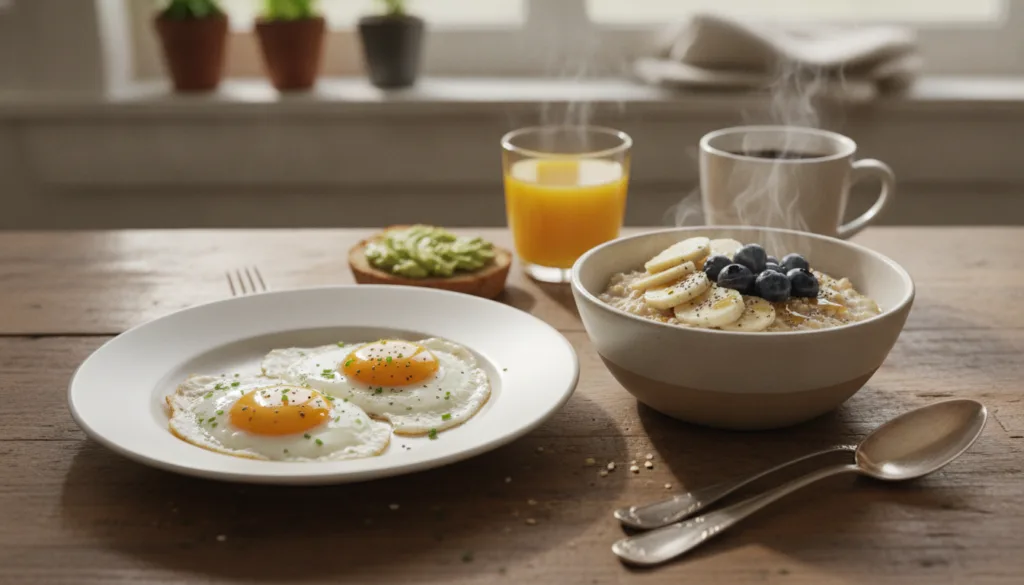 Finding the right balance for your morning meal can significantly impact your day.
Practical Tips for Optimizing Your Breakfast
- Prioritize Whole, Unprocessed Foods: Regardless of the order, focus on nutrient-dense foods. Our examples use rolled oats, fresh eggs, real fruit, and chia seeds.
- Don’t Skimp on Fiber: Both oats and fruits provide essential fiber, which supports digestion and contributes to satiety. Chia seeds are an excellent fiber booster.
- Include Healthy Fats: The yolk in eggs provides healthy fats, and a little olive oil for cooking contributes to overall meal satisfaction.
- Hydrate: Always pair your breakfast with a glass of water to kickstart your metabolism and aid digestion.
- Listen to Your Body: The most important factor is how you feel. Pay attention to your hunger cues, energy levels, and overall well-being.
Frequently Asked Questions (FAQs)
Does adding protein powder to oatmeal count as “protein first”?
While adding protein powder to your oatmeal increases its protein content, the “protein first” strategy typically refers to consuming a distinct protein source (like eggs, yogurt, or a protein shake) *before* or significantly *ahead* of your primary carbohydrate source to maximize the blood sugar-lowering effect. Combining them is still beneficial for a more balanced meal, but the impact on glucose response might be different.
Can I apply meal sequencing to other meals?
Yes, the principles of meal sequencing can be applied to lunch and dinner as well. Starting with a salad (fiber), followed by protein and vegetables, and then carbohydrates can offer similar benefits for blood sugar management.
What if I don’t have time for a two-part breakfast?
If you’re pressed for time, focus on creating a single, well-balanced meal that combines protein, fiber, and healthy fats. For example, oatmeal with protein powder and chia seeds, or scrambled eggs with a side of berries, will still be highly beneficial.
Final Thoughts
The concept of breakfast meal sequencing offers a simple yet powerful tool to optimize your morning routine. Whether you choose the “Oats First” or “Protein First” strategy, understanding how your body processes different macronutrients can empower you to make more informed choices. By prioritizing whole foods and paying attention to the order in which you consume them, you can support stable energy levels, sustained satiety, and better blood sugar control, setting a positive tone for your entire day. Experiment, observe, and find what works best for your unique body and lifestyle.
Medical Disclaimer
The information provided in this article is for educational purposes only and is not intended as medical advice. Always consult with a qualified healthcare professional or registered dietitian before making significant changes to your diet or if you have any health concerns. Individual nutritional needs may vary.