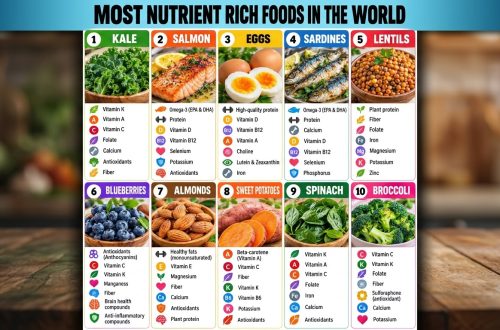
In our pursuit of health, the concept of a “detox” often conjures images of restrictive diets, juice cleanses, and harsh regimens. However, your body is an incredibly sophisticated machine, equipped with powerful natural systems designed for optimal health and continuous detoxification. The truth is, you don’t need extreme measures to thrive; you need to understand and support your body’s inherent wisdom.
This article will explore how integrating whole foods into your daily life can naturally empower these intrinsic bodily functions, making extreme detoxes unnecessary. We’ll uncover how simple, nourishing choices can become your body’s best allies, promoting lasting wellness and vitality.
Forget the fads and unsustainable trends. It’s time to embrace a sustainable path to health, guided by the power of whole foods.
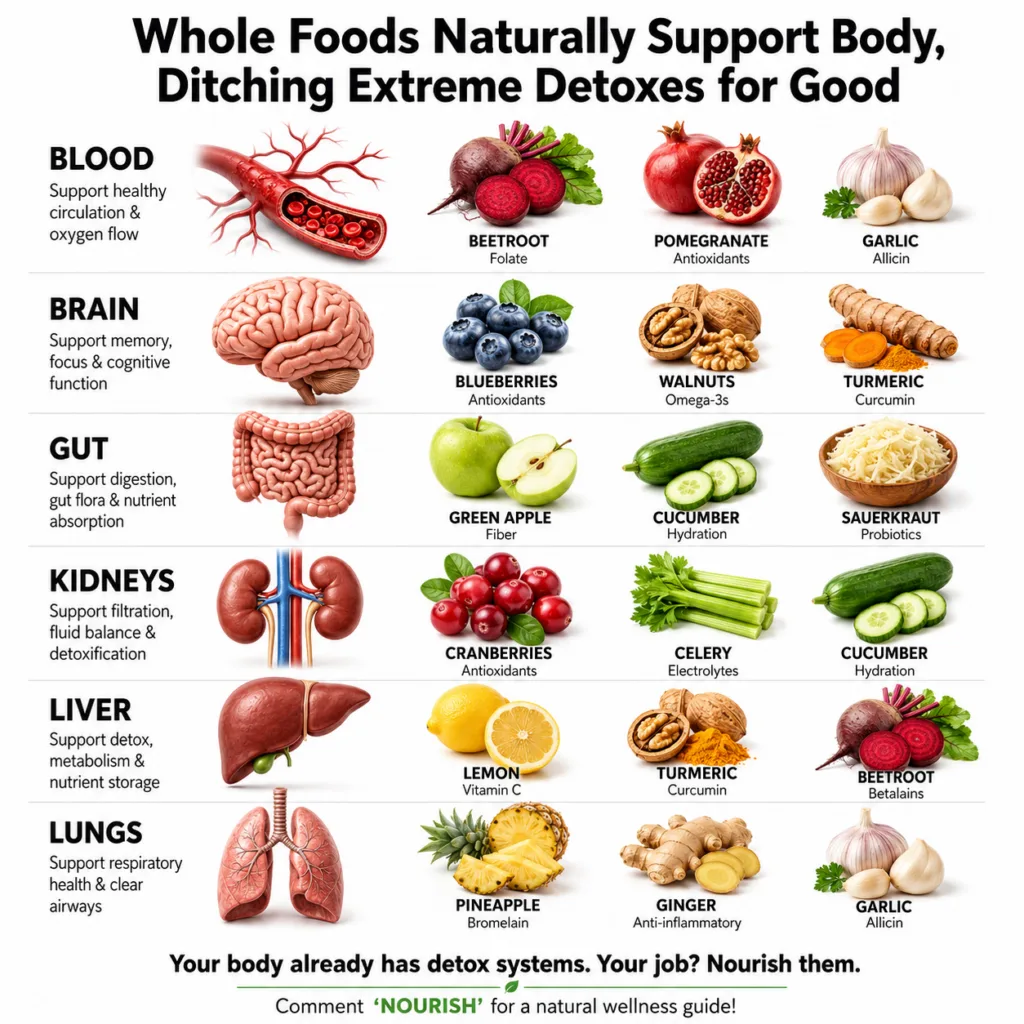
Understanding Your Body’s Natural Cleansing Systems
Your body is constantly working to maintain balance and eliminate waste products through a complex network of organs and systems. These include:
- Liver: The primary filter, processing toxins and metabolizing nutrients.
- Kidneys: Responsible for filtering blood, removing waste, and maintaining fluid balance.
- Digestive System: Eliminates waste and absorbs nutrients, supported by a healthy gut microbiome.
- Lymphatic System: Drains excess fluid and waste, playing a crucial role in immune function.
- Skin: Eliminates toxins through sweat.
- Lungs: Expel gaseous waste products like carbon dioxide.
These systems are incredibly efficient. When they are well-supported, your body effectively manages its internal environment without the need for artificial interventions.
Why Extreme Detoxes Miss the Mark
While the intention behind “detoxes” can be good, many extreme cleanses often fall short and can even be counterproductive. They typically involve:
- Severe Calorie Restriction: Can lead to nutrient deficiencies and muscle loss.
- Elimination of Essential Food Groups: Deprives the body of vital vitamins, minerals, and macronutrients.
- Reliance on Supplements or Juices: Often lack the fiber and balanced nutrition found in whole foods.
- Temporary Solutions: Rarely foster sustainable, long-term healthy habits.
Instead of “flushing” toxins, these approaches can sometimes stress the body, disrupt metabolism, and even lead to rebound weight gain once the cleanse ends. True health comes from consistent, nourishing habits, not periodic extremes.
Whole Foods: Your Body’s Allies for Optimal Support
Instead of harsh cleanses, focus on empowering your body with nature’s best. Here are key categories of whole foods that naturally support your body’s internal systems:
Fiber-Rich Foods for a Happy Gut
A healthy digestive system is foundational for overall wellness, facilitating nutrient absorption and waste elimination. Fiber is crucial for this process.
- Oats and Whole Grains: Provide soluble and insoluble fiber, aiding regularity and feeding beneficial gut bacteria.
- Lentils and Legumes: Excellent sources of plant-based protein and fiber, promoting satiety and digestive health.
- Berries: Packed with fiber and antioxidants, supporting gut motility and reducing inflammation.
- Leafy Greens (Spinach, Kale): High in fiber, vitamins, and minerals essential for digestive function.
Antioxidant Powerhouses for Cellular Health
Antioxidants protect your cells from damage caused by free radicals, supporting overall cellular repair and function.
- Colorful Vegetables (Bell Peppers, Carrots, Beets): Rich in vitamins, minerals, and phytochemicals that act as potent antioxidants.
- Berries (Blueberries, Raspberries): Among the highest in antioxidant content, supporting brain health and reducing oxidative stress.
- Green Tea: Contains catechins, powerful antioxidants that may support liver function and metabolism.
Hydrating Heroes for Kidney Support
Proper hydration is vital for kidney function, helping them filter waste and maintain fluid balance.
- Cucumbers and Watermelon: High water content, providing natural hydration and electrolytes.
- Herbal Teas (Dandelion, Nettle): Can support gentle diuresis, aiding kidney function.
- Plain Water: The simplest and most effective way to stay hydrated and support all bodily functions.
Cruciferous Vegetables for Liver Love
These vegetables contain compounds that can help the liver in its detoxification pathways.
- Broccoli, Cauliflower, Brussels Sprouts: Rich in sulfur-containing compounds and glucosinolates that support liver enzymes.
- Cabbage: A versatile vegetable that promotes healthy digestion and liver detoxification.
Lean Proteins for Repair and Renewal
Protein is essential for building and repairing tissues, including those in your liver and other organs involved in cleansing.
- Eggs: A complete protein source, providing essential amino acids.
- Fish (Salmon, Tuna): Rich in omega-3 fatty acids and high-quality protein, supporting anti-inflammatory processes.
- Legumes (Chickpeas, Black Beans): Plant-based proteins that also offer fiber and various nutrients.
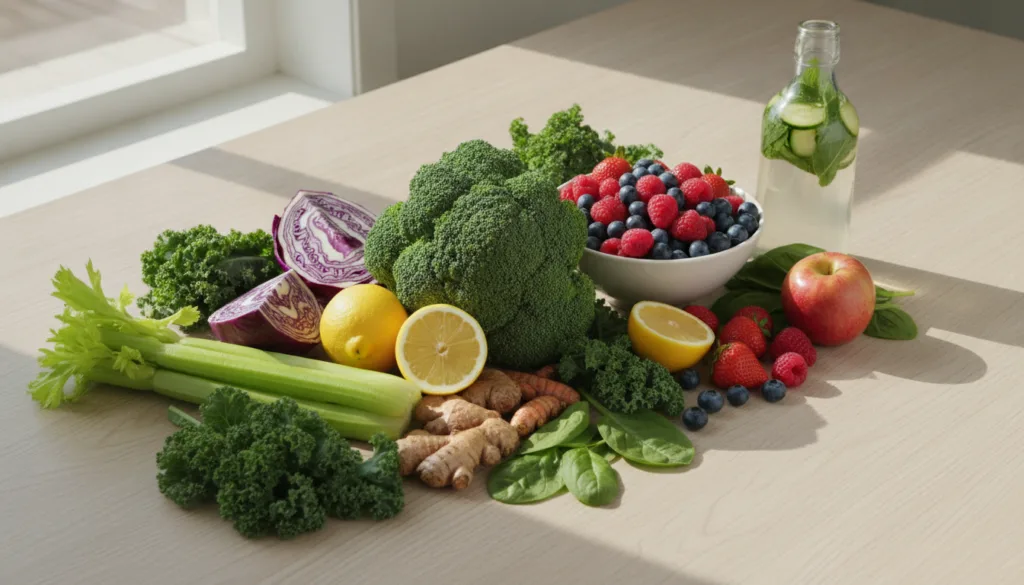
Practical Tips for Incorporating Whole Foods
Making the switch to a whole-foods-focused diet doesn’t have to be overwhelming. Start with small, consistent changes:
- Start Your Day Right: Opt for high-fiber breakfasts like overnight oats with berries or a vegetable-packed scramble.
- Snack Smart: Replace processed snacks with fruits, nuts, or vegetable sticks with hummus.
- “Eat the Rainbow”: Aim for a variety of colorful fruits and vegetables daily to ensure a broad spectrum of nutrients.
- Cook at Home: Preparing your own meals gives you control over ingredients and minimizes processed additives.
- Hydrate Mindfully: Carry a reusable water bottle and sip throughout the day. Add lemon or cucumber for a refreshing twist.
- Meal Prep for Success: Dedicate some time each week to prepare healthy ingredients and meals, making healthy choices easier during busy days. Consider using best meal prep containers for convenience.
Common Misconceptions About “Detox”
Many beliefs surrounding detoxification are not supported by science:
- “Toxin Buildup” Requiring Special Cleanses: While toxins exist in our environment, our bodies are naturally equipped to handle them through the organs mentioned above.
- Rapid Weight Loss as a Sign of Detox: Initial weight loss on extreme cleanses is often due to water loss and muscle, not fat, and is typically unsustainable.
- Expensive “Detox” Products are Necessary: Most detox products lack scientific evidence to support their claims and can be a waste of money or even harmful.
Final Thoughts
Your body is a marvel of natural engineering, continuously working to maintain its health and balance. Rather than resorting to extreme, short-term detoxes, embrace the sustainable power of whole foods. By nourishing your body with nutrient-dense fruits, vegetables, lean proteins, and healthy fats, you empower its inherent cleansing systems, fostering long-term wellness, vitality, and a healthier relationship with food. Listen to your body, fuel it wisely, and trust its incredible ability to thrive naturally.
Internal Link Suggestions:
- Healthy Breakfast Ideas for Energy
- The Power of Fiber: Why You Need It
- Meal Prep for Beginners: Simple Steps to Healthier Eating
External Sources:
- Harvard T.H. Chan School of Public Health: Whole Grains
- National Institute of Diabetes and Digestive and Kidney Diseases: Eating Right for Your Kidneys
- Mayo Clinic: Detox diets: Do they work?
Medical Disclaimer:
The information provided in this article is for general informational purposes only and does not constitute medical advice. It is not intended to diagnose, treat, cure, or prevent any disease. Always consult with a qualified healthcare professional before making any changes to your diet or lifestyle, especially if you have existing health conditions or are taking medication.