Eggs have long been a breakfast staple, but they’re so much more than just a quick meal. Often called ‘nature’s superfood,’ these incredible edibles are packed with essential nutrients that support your body in numerous ways. From building strong muscles to boosting brain health, eggs truly deliver a powerhouse of benefits.
In this article, we’ll dive into why eggs deserve a spot on your healthy plate. You’ll discover their impressive nutritional profile, understand the science behind their benefits, and learn practical ways to incorporate them into your diet. Get ready to crack open the truth about this nutritional gem!
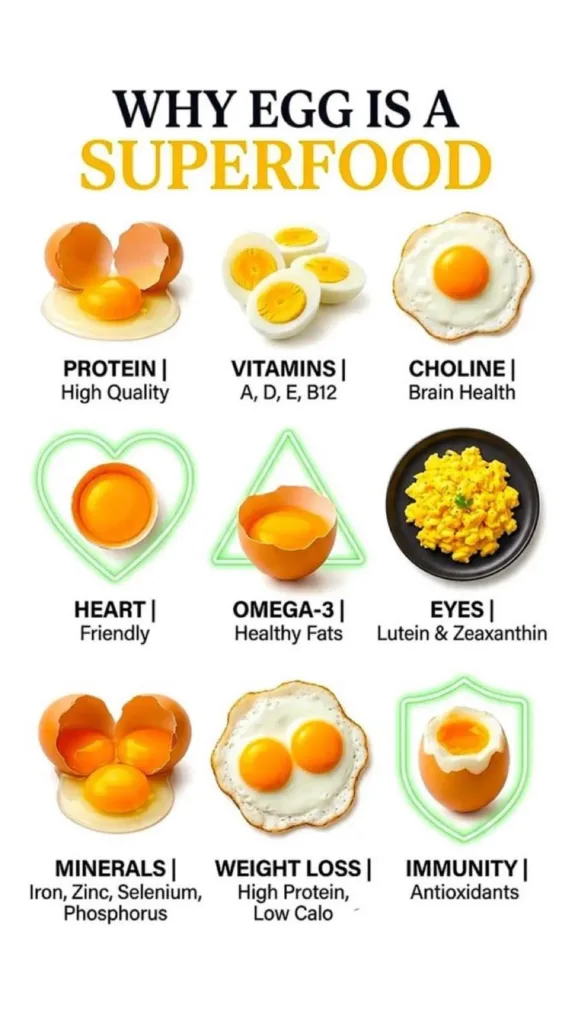
Benefits of Eating Eggs
Eggs offer a wide array of health benefits thanks to their rich nutrient content:
High-Quality Protein Source
- Muscle Health: Eggs provide all nine essential amino acids, making them a complete protein. This is crucial for muscle repair, growth, and overall bodily functions.
- Satiety: The high protein content helps you feel fuller for longer, which can be beneficial for weight management by reducing overall calorie intake.
Rich in Essential Vitamins and Minerals
- Vitamin D: One of the few natural food sources of Vitamin D, which is vital for bone health, immune function, and regulating mood.
- Vitamin B12: Crucial for nerve function, red blood cell formation, and DNA synthesis.
- Vitamin A: Important for vision, immune function, and skin health.
- Selenium: An antioxidant that protects cells from damage and supports thyroid health.
- Phosphorus: Essential for strong bones and teeth, and helps the body use fats and carbohydrates.
Brain and Eye Health Boosters
- Choline: A vital nutrient for brain development and function, memory, and nerve signaling. Eggs are one of the best dietary sources of choline.
- Lutein and Zeaxanthin: These antioxidants accumulate in the retina and protect the eyes from harmful blue light, reducing the risk of age-related macular degeneration and cataracts.
Contains Healthy Fats
While eggs contain fat, a significant portion is unsaturated, including monounsaturated and polyunsaturated fats, which are beneficial for heart health when consumed in moderation as part of a balanced diet.

Egg Nutrition Facts (One Large Egg)
Here’s an approximate breakdown of what you get from one large (about 50g) boiled or poached egg:
| Nutrient | Amount |
|---|---|
| Calories | ~70-80 kcal |
| Protein | ~6 grams |
| Total Fat | ~5 grams |
| Saturated Fat | ~1.5 grams |
| Cholesterol | ~185 mg |
| Carbohydrates | <1 gram |
| Fiber | 0 grams |
| Vitamin D | ~41 IU (1 mcg) |
| Vitamin B12 | ~0.45 mcg |
| Vitamin A | ~270 IU (81 mcg) |
| Selenium | ~15 mcg |
| Choline | ~147 mg |
| Lutein & Zeaxanthin | ~252 mcg |
Values are approximate and can vary slightly based on size and preparation method.
The Science Behind Egg Benefits
The synergy of nutrients in eggs is what makes them so powerful. The high bioavailability of egg protein means your body can efficiently absorb and utilize its amino acids. The healthy fats in the yolk aid in the absorption of fat-soluble vitamins like D and A.
Choline, a lesser-known but crucial nutrient, is vital for the synthesis of acetylcholine, a neurotransmitter important for memory and muscle control. Meanwhile, the powerful antioxidants lutein and zeaxanthin act like internal sunglasses, filtering harmful light before it can damage your eyes.
Best Ways to Enjoy Eggs
Eggs are incredibly versatile and can be prepared in countless healthy ways:
- Boiled: Hard-boiled or soft-boiled eggs are perfect for meal prep, salads, or a quick snack.
- Poached: A delicate, fat-free cooking method, ideal for eggs benedict or topping avocado toast.
- Scrambled or Omelets: Mix with vegetables like spinach, mushrooms, or bell peppers for an extra nutrient boost.
- Frittatas or Quiches: Incorporate eggs into these baked dishes with plenty of veggies and lean protein.
- Baked: Try baking eggs in avocado halves or muffin tins for a unique and easy breakfast.

Potential Risks and Considerations
For most healthy individuals, dietary cholesterol from eggs has a minimal impact on blood cholesterol levels compared to saturated and trans fats. However, individuals with specific health conditions like high cholesterol or heart disease may need to monitor their intake and consult with a healthcare professional.
Always ensure eggs are cooked thoroughly to minimize the risk of salmonella. Pregnant women, young children, and individuals with compromised immune systems should avoid raw or undercooked eggs.
Practical Tips for Enjoying Eggs
- Choose Wisely: Opt for pasture-raised or omega-3 enriched eggs for potentially higher nutrient content.
- Pair with Veggies: Always try to combine eggs with a generous portion of non-starchy vegetables to create a balanced meal.
- Healthy Fats: If cooking with fat, use healthy options like olive oil or avocado oil in moderation.
- Storage: Store eggs in their original carton in the coldest part of your refrigerator to maintain freshness.
- Portion Control: While healthy, portion control is still important. One to two eggs per day is a good general guideline for most healthy adults, but individual needs vary.
FAQs About Eggs
Q: Are egg yolks unhealthy due to cholesterol?
A: For most healthy people, the cholesterol in egg yolks does not significantly raise blood cholesterol levels. Your liver produces cholesterol, and when you eat more dietary cholesterol, your liver produces less. It’s often saturated and trans fats that have a greater impact on blood cholesterol.
Q: How many eggs can I eat in a day?
A: For healthy individuals, consuming one to three eggs per day is generally considered safe and beneficial. However, individual dietary needs and health conditions should always be taken into account. Consult a doctor or registered dietitian if you have specific concerns.
Q: Are brown eggs healthier than white eggs?
A: No, the color of an eggshell simply depends on the breed of the hen and has no bearing on its nutritional value, quality, or taste. Both brown and white eggs are equally nutritious.
Q: What’s the best way to store eggs?
A: Store eggs in their original carton in the main compartment of your refrigerator, not in the door. This helps maintain a consistent temperature and prevents them from absorbing odors from other foods.
Q: Can I eat eggs if I’m trying to lose weight?
A: Absolutely! Eggs are an excellent food for weight management due to their high protein content, which promotes satiety and can reduce overall calorie intake. They are also relatively low in calories and packed with nutrients.
Q: What’s the difference between ‘cage-free,’ ‘free-range,’ and ‘pasture-raised’ eggs?
A: These terms refer to the living conditions of the hens. ‘Cage-free’ hens aren’t in cages but may still be confined indoors. ‘Free-range’ hens have access to the outdoors, though the extent of that access can vary. ‘Pasture-raised’ hens typically have the most outdoor space, roaming and foraging on pastures, which may lead to a slightly different nutritional profile.
Conclusion
Eggs truly are a nutritional marvel, offering a comprehensive package of protein, vitamins, minerals, and unique compounds that support everything from brain health to vision. Easy to prepare, affordable, and incredibly versatile, they make a fantastic addition to almost any healthy diet.
So go ahead, embrace this ‘superfood’ and enjoy the myriad of ways it can nourish your body. For more delicious and healthy food ideas, be sure to explore other content on our website!
This content is for educational purposes only and should not be considered medical advice. Consult a qualified healthcare professional for personalized dietary recommendations.