Managing blood sugar levels is a key part of maintaining overall health, especially for those at risk of or living with diabetes. While many factors influence blood sugar, the food we eat plays a significant role. Did you know that certain vegetables can be incredibly powerful allies in this journey? They’re packed with fiber, essential nutrients, and unique compounds that can help keep your glucose levels in check.
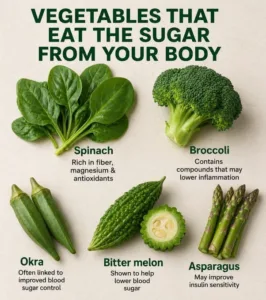
This guide will introduce you to five amazing ‘sugar-busting’ vegetables – spinach, broccoli, okra, bitter melon, and asparagus – that can support your blood sugar goals. You’ll learn about their unique benefits, discover their nutritional highlights, and get practical tips on how to easily incorporate them into your daily meals. Get ready to add more vibrant, healthy foods to your plate!
Why Vegetables Are Key for Blood Sugar Management
Vegetables are nutritional powerhouses, especially when it comes to blood sugar. They are generally low in calories and carbohydrates, and rich in fiber, which is crucial for slowing down sugar absorption. They also provide an abundance of vitamins, minerals, and antioxidants that support overall metabolic health. Including a variety of these non-starchy vegetables in your diet is a delicious and effective strategy.
Sugar-Busting Vegetables: A Quick Comparison
| Vegetable | Calories (approx. per 100g) | Carbs (g) | Fiber (g) | Main Nutrients | Blood Sugar Benefit |
|---|---|---|---|---|---|
| Spinach | 23 | 3.6 | 2.2 | Vitamin K, A, C, Folate, Iron, Magnesium | Low glycemic index, high fiber, magnesium supports insulin sensitivity |
| Broccoli | 55 | 11.2 | 2.4 | Vitamin C, K, Folate, Chromium | Low glycemic index, sulforaphane improves insulin function, high fiber |
| Okra | 33 | 7.5 | 3.2 | Vitamin C, K, Folate, Magnesium | High soluble fiber slows sugar absorption, contains myricetin |
| Bitter Melon | 17 | 3.7 | 2.8 | Vitamin C, A, Folate | Contains charantin and polypeptide-p that may mimic insulin |
| Asparagus | 20 | 3.9 | 2.1 | Vitamin K, Folate, Chromium, Glutathione | Low glycemic index, fiber, chromium enhances insulin action |

Spinach: The Leafy Green Powerhouse
Spinach is a nutrient-dense leafy green that’s incredibly low in calories and carbohydrates, making it a fantastic choice for blood sugar management. It’s rich in fiber, which helps to slow digestion and prevent rapid spikes in blood glucose. Beyond fiber, spinach is an excellent source of magnesium, a mineral that plays a crucial role in insulin sensitivity and glucose regulation.
- How it helps blood sugar: Its low glycemic index and high fiber content contribute to stable blood sugar. Magnesium further aids in glucose metabolism.
- Best ways to eat: Enjoy spinach raw in salads, blended into smoothies, sautéed with garlic, or added to soups, omelets, and stir-fries.

Broccoli: Your Crunchy Companion
Broccoli is a cruciferous vegetable renowned for its health benefits, including its positive impact on blood sugar. It’s high in fiber and vitamin C, and contains a compound called sulforaphane. Research suggests that sulforaphane may help improve insulin sensitivity and reduce blood sugar levels.
- How it helps blood sugar: Fiber slows sugar absorption, while sulforaphane may enhance the body’s response to insulin.
- Best ways to eat: Steam, roast, or stir-fry broccoli. Add it to pasta dishes, casseroles, or enjoy it raw with a healthy dip.

Okra: The Mucilaginous Marvel
Okra, often used in stews and gumbos, contains a unique soluble fiber called mucilage. This mucilage can slow down the digestion and absorption of sugar in the digestive tract, leading to a more gradual rise in blood glucose levels after meals. Okra also contains myricetin, a flavonoid that research suggests can help improve sugar uptake in muscle cells.
- How it helps blood sugar: Its soluble fiber and myricetin work together to help regulate glucose absorption and utilization.
- Best ways to eat: Okra can be sautéed, roasted, grilled, or added to soups and stews.

Bitter Melon: The Traditional Regulator
True to its name, bitter melon has a distinct bitter taste but is highly valued in traditional medicine for its potential anti-diabetic properties. It contains compounds like charantin and polypeptide-p, which are thought to act similarly to insulin, helping to lower blood sugar levels. Some studies suggest it can help improve glucose tolerance.
- How it helps blood sugar: Its active compounds may mimic insulin’s effects and improve the body’s ability to use glucose.
- Best ways to eat: Often consumed as juice, stir-fried, or added to curries. Blanching or soaking in salt water can help reduce its bitterness.
Asparagus: The Springtime Staple
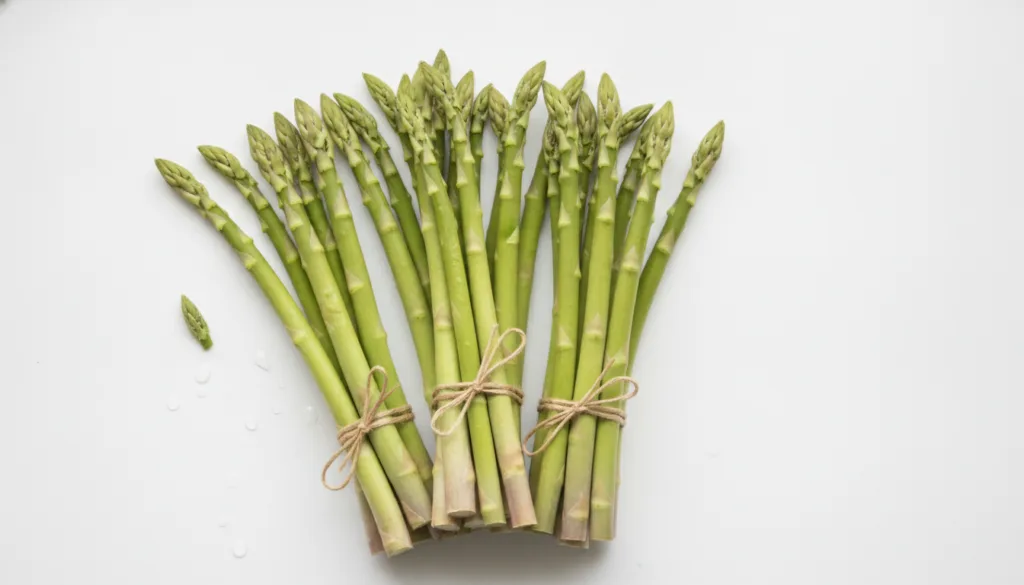
Asparagus is a delicious and low-calorie vegetable that offers notable benefits for blood sugar control. It’s an excellent source of fiber, folate, and chromium. Chromium is a trace mineral that enhances the action of insulin, helping to regulate blood glucose levels. Asparagus also contains glutathione, an antioxidant that supports overall cellular health.
- How it helps blood sugar: Fiber and chromium contribute to better insulin function and glucose management.
- Best ways to eat: Roast, grill, steam, or blanch asparagus. It pairs well with lean proteins and can be added to salads or omelets.
Practical Tips for Incorporating These Vegetables
- Variety is Key: Don’t stick to just one! Rotate these vegetables throughout your week to get a wide range of nutrients.
- Smart Cooking Methods: Opt for steaming, roasting, grilling, or light sautéing to retain maximum nutrients. Avoid deep-frying.
- Pair with Protein: Combining these vegetables with lean protein sources (like chicken, fish, or legumes) and healthy fats (like avocado or olive oil) can further stabilize blood sugar.
- Sneak Them In: Add chopped spinach to pasta sauce, finely diced broccoli to scrambled eggs, or a handful of okra to your stir-fry.
- Plan Ahead: Wash and chop your vegetables ahead of time for quick and easy meal prep during the week.
FAQs About Sugar-Busting Vegetables
Q: Can these vegetables replace my diabetes medication?
A: No. While these vegetables can significantly support blood sugar management, they should not replace prescribed medications or professional medical advice. Always consult your doctor or a registered dietitian before making significant changes to your diet or medication plan.
Q: How much of these vegetables should I eat?
A: Aim for at least 2-3 servings of non-starchy vegetables per day, but incorporating more is generally beneficial. A serving is typically about half a cup cooked or one cup raw. Listen to your body and discuss specific portion sizes with a healthcare professional if you have concerns.
Q: Are raw vegetables always better than cooked?
A: Not necessarily. While some nutrients are better preserved raw, cooking can make other nutrients more bioavailable and easier for your body to absorb. Cooking also softens fiber, which can be easier on digestion for some. A mix of both raw and cooked vegetables is ideal.
Q: What if I don’t like the taste of bitter melon?
A: Bitter melon has a strong, distinct taste. To reduce its bitterness, you can blanch it in boiling water for a few minutes, or soak it in salt water for about 30 minutes before cooking. You can also mix it with other stronger flavors in stir-fries or curries to mellow its taste.
Q: Do frozen vegetables offer the same benefits?
A: Yes! Frozen vegetables are typically picked at their peak ripeness and flash-frozen, locking in their nutrients. They are a convenient, affordable, and equally nutritious alternative to fresh vegetables, especially when fresh options are out of season or unavailable.
Conclusion
Incorporating more ‘sugar-busting’ vegetables like spinach, broccoli, okra, bitter melon, and asparagus into your diet is a simple yet powerful step towards better blood sugar management and overall health. These vibrant foods offer a wealth of fiber, vitamins, and unique compounds that work together to keep your glucose levels balanced.
Start experimenting with new recipes and finding delicious ways to enjoy these nutritional heroes. Your body will thank you for it! For more healthy eating tips, recipes, and food comparisons, explore other articles on our website.
This content is for educational purposes only and should not be considered medical advice. Consult a qualified healthcare professional for personalized dietary recommendations.