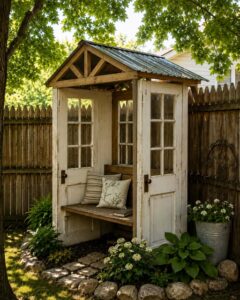
Imagine a quiet corner in your garden, a secret space just for you, where you can unwind with a good book, sip your morning coffee, or simply listen to the birds. This dream can become a reality using an often-overlooked material: old doors. Instead of letting those dusty relics gather cobwebs in the garage, give them a new purpose by repurposing them into a cozy, one-of-a-kind garden reading nook.
Building a garden nook from reclaimed doors is more than just a DIY project; it’s an act of sustainable creativity that adds unique charm and a private escape right in your backyard. It provides not only a shaded sanctuary but also a focal point that tells a story, making your garden truly distinctive. Let’s explore how you can turn this vision into a tangible, inviting space that will be the envy of every garden enthusiast.
The Allure of a Garden Nook: More Than Just a Seat
A garden nook offers a unique blend of privacy, shelter, and connection to nature. It’s a designated spot that encourages you to slow down and savor your outdoor space. Beyond its aesthetic appeal, a well-designed nook provides essential shade from the summer sun, a windbreak on breezy days, and a sense of enclosure that transforms an open garden into a series of intimate rooms. By utilizing old doors, you’re not only creating a functional space but also contributing to eco-friendly practices, giving new life to materials that might otherwise end up in a landfill.
Planning Your Doorway Oasis: Practical Setup
Before you start building, a little planning goes a long way. Consider the best location in your garden. Look for a spot that receives morning sun but offers afternoon shade, especially if you plan to use it during warmer parts of the day. Observe the natural light patterns throughout the day and year. Also, think about proximity to your home for easy access, and ensure the ground is relatively level or can be easily leveled.
Choosing Your Doors
You’ll typically need three to five old doors, depending on the design you envision. Solid wood doors are ideal for durability, but hollow core doors can work if properly sealed and protected from moisture. Look for doors that are roughly the same height and width for a cohesive look. You can find these treasures at architectural salvage yards, flea markets, online marketplaces, or even from home renovation projects.
Essential Tools and Materials:
- Old doors (3-5)
- Post hole digger or shovel
- Wood posts (4×4 or 2×4 treated lumber, for structural support)
- Quick-set concrete or gravel
- Exterior wood screws or lag bolts
- Drill
- Level
- Measuring tape
- Saw (circular or hand saw)
- Exterior-grade paint or stain
- Sealant/primer
- Landscaping fabric or weed barrier (optional, for foundation)
- Gravel or pavers (for flooring)
Step-by-Step: Building Your Unique Nook
The beauty of a DIY project like this is that you can adapt it to your specific needs and the doors you find. Here’s a general approach:
- Prepare the Site: Clear the chosen area of any debris, weeds, and grass. Level the ground as much as possible. Consider laying down landscaping fabric and a layer of gravel for drainage and weed suppression, or preparing a small patio base with pavers.
- Set the Posts: Dig holes for your structural posts at each corner where the doors will meet. These posts will provide stability. Embed them securely in quick-set concrete or tamped gravel, ensuring they are perfectly plumb with a level. Allow the concrete to cure fully.
- Attach the Doors: Once your posts are secure, position your doors. You can arrange them in a U-shape, a triangular shape, or even a full square with an open front. Attach the doors to the posts using exterior-grade screws or lag bolts. Ensure they are flush and level. For extra stability, you might want to add a top header beam connecting the posts.
- Reinforce and Finish: Check all connections for stability. Fill any gaps with exterior caulk. Sand rough edges and prepare the doors for painting or staining. An exterior-grade primer and paint/stain will protect the wood from the elements and extend the life of your nook.
- Add Flooring: For a clean and dry interior, lay down gravel, stepping stones, or small pavers within the nook. This will help with drainage and create a comfortable surface.
Bringing Life to Your Nook: The Right Plants
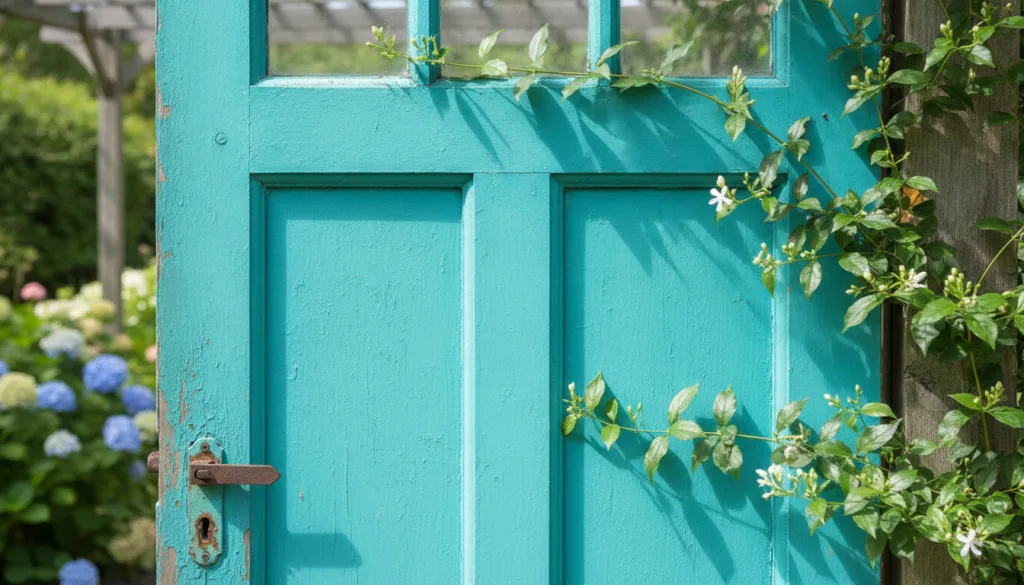
No garden nook is complete without the lush embrace of plants. They soften the hard lines of the doors, provide natural beauty, and enhance the sense of a hidden oasis. Here are a few plant ideas perfect for a garden nook, suitable for various USDA zones and light conditions:
Vining Plants for Vertical Charm and Shade
Vining plants are excellent for adding a living canopy or softening the exterior of your door nook, especially if you have a top frame or trellis. They can provide natural shade and visual appeal.
- Clematis (Clematis spp.)
Hardiness: Zones 4-9 (varies by species)
Plant type: Deciduous woody vine
Exposure: Full sun to partial shade (roots prefer shade)
Growth habit: Climbing
Main value: Stunning, often large, colorful flowers
Care tip: Provide a trellis or support. Keep roots cool and moist with mulch. - Climbing Roses (Rosa spp.)
Hardiness: Zones 4-10 (varies by cultivar)
Plant type: Woody vine/shrub
Exposure: Full sun (at least 6 hours)
Growth habit: Climbing, sprawling
Main value: Fragrant, beautiful blooms
Care tip: Require sturdy support and regular pruning for best flowering and airflow.
Container Plants for Ambiance and Portability
Potted plants allow you to easily change the look of your nook and move them as needed for optimal light or protection. Choose plants that thrive in the light conditions of your nook.
- Ferns (various species like Boston Fern, Kimberly Queen Fern)
Hardiness: Zones 9-11 (often grown as annuals or houseplants elsewhere)
Plant type: Perennial foliage plant
Exposure: Partial to full shade
Growth habit: Bushy, arching fronds
Main value: Lush green texture, ideal for shady, humid spots
Care tip: Keep soil consistently moist, but not waterlogged. Mist regularly in dry climates. - Impatiens (Impatiens walleriana)
Hardiness: Zone 10-11 (grown as an annual in most zones)
Plant type: Annual flower
Exposure: Partial to full shade
Growth habit: Mounding, compact
Main value: Abundant, colorful flowers all season
Care tip: Require consistent moisture; do not let them dry out completely. - Scented Geraniums (Pelargonium spp.)
Hardiness: Zones 9-11 (often grown as annuals or houseplants elsewhere)
Plant type: Tender perennial, herbaceous
Exposure: Full sun to partial shade
Growth habit: Upright, bushy
Main value: Fragrant foliage (lemon, rose, mint scents), delicate flowers
Care tip: Allow soil to dry slightly between waterings. Prune to maintain shape and encourage bushiness.
Surrounding Groundcover or Border Plants
To integrate your nook seamlessly into the garden, consider planting around its base.
- Hostas (Hosta spp.)
Hardiness: Zones 3-9
Plant type: Perennial foliage plant
Exposure: Partial to full shade (varies by cultivar)
Height: 6 inches to 3 feet (depending on cultivar)
Spread: 1 to 5 feet
Main value: Striking foliage in various colors and textures
Care tip: Protect from slugs and snails. Provide consistent moisture.
Designing Your Cozy Corner
Once the structure is in place and plants are selected, it’s time to add the finishing touches that make your nook truly inviting.
- Seating: A comfortable bench, a couple of Adirondack chairs, or even oversized outdoor floor cushions are perfect.
- Soft Furnishings: Outdoor pillows and throws add warmth and comfort. Choose weather-resistant fabrics.
- Lighting: String solar-powered fairy lights or hang a solar lantern for magical ambiance after dusk.
- Small Table: A small side table is essential for holding your book, a drink, or a potted herb.
- Personal Touches: Add a wind chime, a small piece of garden art, or a collection of smooth stones to reflect your personality.

Common Mistakes to Avoid
- Poor Site Selection: Building your nook in a soggy, overly exposed, or heavily trafficked area will detract from its purpose. Choose a spot that offers good drainage and a sense of retreat.
- Inadequate Foundation: Skimping on stable posts or a level base can lead to an unstable, short-lived structure. Ensure your posts are deeply set and secure.
- Neglecting Weather Protection: Unpainted or unsealed wood will quickly deteriorate. Use exterior-grade primer, paint, or stain, and consider a clear sealant for added protection.
- Overlooking Plant Needs: Planting shade-loving ferns in full sun, or sun-loving roses in deep shade, will lead to disappointment. Match plants to your nook’s light conditions.
- Forgetting Drainage: If your nook floor isn’t permeable, rainwater can collect, leading to dampness, rot, and mosquito issues. Ensure good drainage with gravel or gaps between pavers.
Seasonal Considerations & Maintenance
Your garden nook will evolve with the seasons. In colder USDA zones (3-8), you might use it primarily from spring through fall. For zones 9-11, it could be a year-round retreat. Regular maintenance will keep it charming and safe:
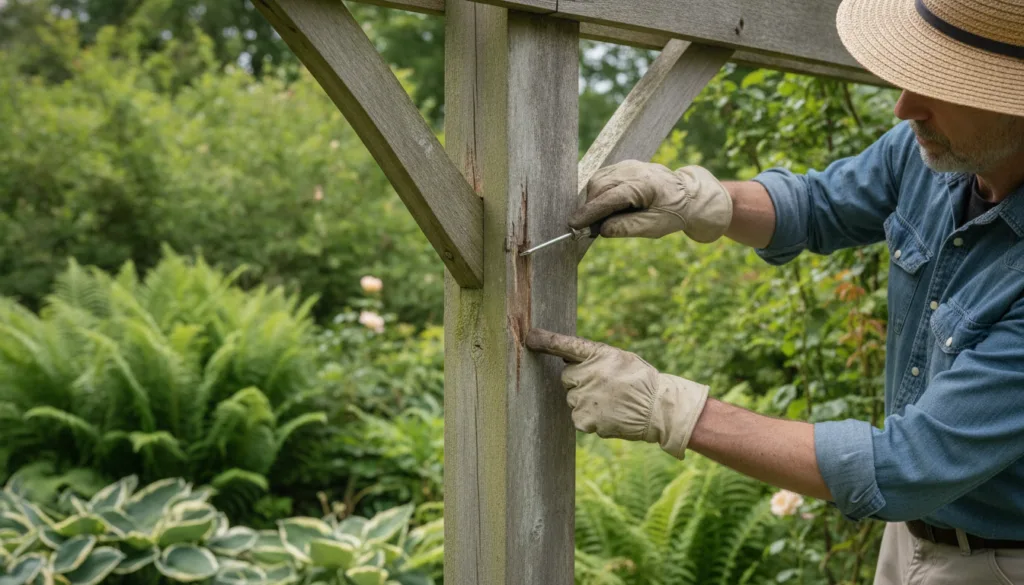
- Annual Inspection: Check the doors and posts for any signs of rot, loose screws, or damage, especially after winter. Touch up paint or sealant as needed.
- Plant Care: Water container plants regularly, fertilize as appropriate, and prune climbing vines to keep them tidy and prevent them from overwhelming the structure. Bring tender potted plants indoors for winter if you live in colder zones.
- Cleanliness: Sweep out leaves and debris regularly. Clean outdoor cushions and store them during inclement weather to prolong their life.
Cultivating Your Personal Retreat
Transforming old doors into a garden reading nook is a project that rewards you with a deeply personal and meaningful space. It’s a testament to creativity, sustainability, and the joy of hands-on gardening. By following these practical steps and embracing the art of repurposing, you’re not just building a structure; you’re crafting an experience – a private sanctuary where you can reconnect with nature, indulge in quiet reflection, and enhance the beauty of your home garden. So, gather those old doors, unleash your inner garden artist, and create the serene escape you deserve.