Most people focus on dramatic dietary overhauls when thinking about heart health, often overlooking simple, potent allies found right in their kitchen. While fennel seeds, guava leaves, and even onion peels might seem like humble ingredients, traditional practices around the world have long valued them for their potential to support cardiovascular well-being. What if the secret to a stronger, healthier heart wasn’t a rare superfood, but a wisdom passed down through generations, utilizing what’s already at hand?
This guide isn’t about exotic supplements; it’s about reclaiming practical, plant-based wellness with everyday staples. We’ll dive into how to prepare and use these often-discarded or underestimated ingredients to tap into their traditional benefits for your heart.
What They Are and Why They Matter for Your Heart
Before we dive into preparations, let’s briefly understand why these ingredients have been traditionally recognized:
- Fennel Seeds: Known for their aromatic qualities and digestive aid, fennel seeds (Foeniculum vulgare) are also traditionally associated with maintaining healthy blood pressure and cholesterol levels, crucial for cardiovascular function.
- Guava Leaves: Often the fruit gets all the attention, but the leaves of the guava tree (Psidium guajava) are a powerhouse in many folk traditions. They’re believed to help support healthy blood sugar and lipid profiles, both vital for heart health.
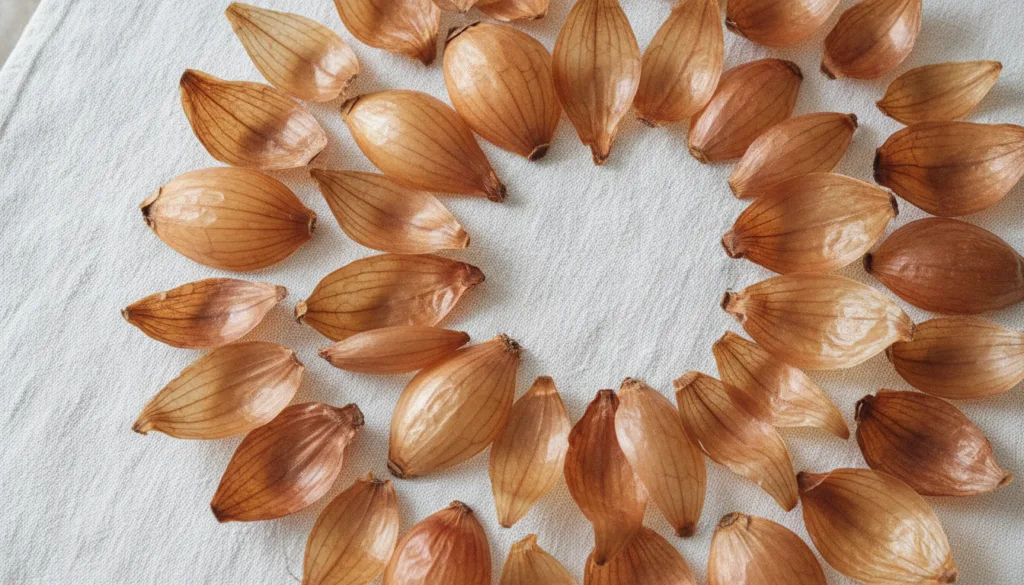
- Onion Peels: This is the part most people skip, but onion peels – particularly the outer, dry layers – contain a concentrated amount of beneficial compounds. They are traditionally valued for their antioxidant properties and potential role in supporting circulation.
Fennel Seed Tea for Cardiovascular Support
A simple fennel seed tea can be a soothing way to integrate this ingredient into your routine.
Ingredients
- 1-2 teaspoons whole fennel seeds
- 1 cup hot water
Formula / Recipe
- Lightly crush the fennel seeds to release their aromatic oils.
- Place crushed seeds in a tea infuser or directly into a mug.
- Pour hot (not boiling) water over the seeds.
- Cover and steep for 5-10 minutes.
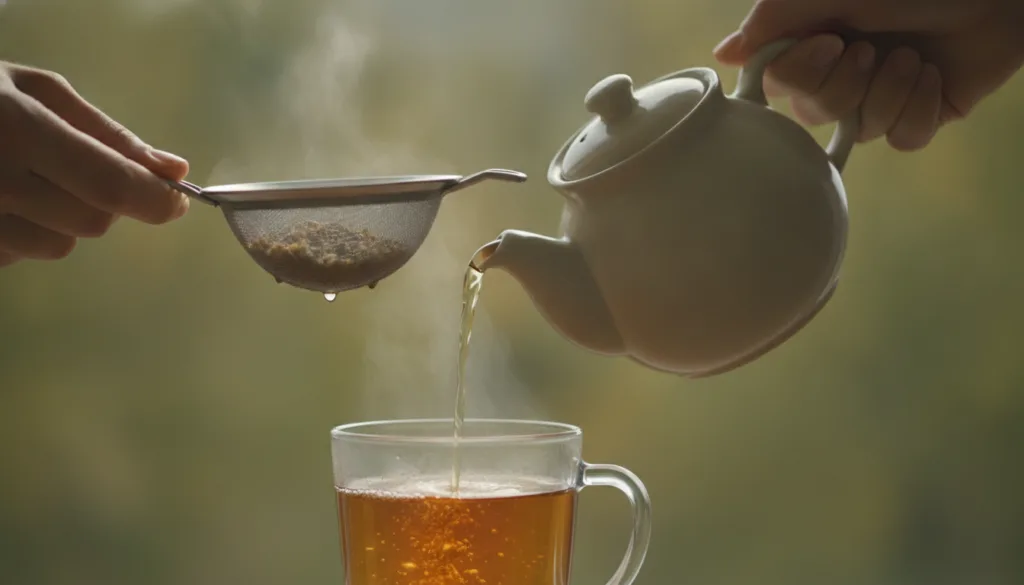
- Strain and enjoy.
How to Use
Drink as a warm tea. You can add a slice of lemon or a tiny bit of honey if desired, but avoid excessive sugar.
How Often to Use
Enjoy 1-2 cups daily, preferably after meals.
Guava Leaf Infusion for Heart Health
The leaves of the guava tree offer a different profile of benefits, best extracted through an infusion.
Ingredients
- 5-7 fresh, young guava leaves (or 1-2 teaspoons dried, crushed leaves)
- 1 cup hot water
Formula / Recipe
- Thoroughly wash fresh guava leaves under cold running water. If using dried, crush them slightly.
- Place leaves in a mug or teapot.
- Pour hot (not boiling) water over the leaves.
- Cover and steep for 10-15 minutes to allow compounds to release.
- Strain out the leaves and drink.
How to Use
Drink the warm infusion. It has a slightly earthy, mild taste.
How Often to Use
Consume 1-2 cups daily. Consistency is key with traditional remedies.
Onion Peel Decoction for Circulation
Don’t toss those onion peels! They hold a surprising concentration of compounds that can be extracted into a decoction.
Ingredients
- Peels from 1-2 medium onions (preferably organic)
- 2 cups water
Formula / Recipe
- Wash onion peels thoroughly to remove any dirt.
- Place the peels in a small saucepan with 2 cups of water.
- Bring to a boil, then reduce heat and simmer gently for 15-20 minutes.
- Strain the liquid, discarding the peels.
- Let the decoction cool slightly before drinking.
How to Use
Drink the strained liquid. It will have a light amber color and a very mild onion flavor. You can store extra in the fridge.
How Often to Use
Drink 1/2 to 1 cup daily. It’s often consumed plain, but a drop of lemon can make it more palatable for some.
How to Buy / How to Choose Ingredients
- Fennel Seeds: Look for whole, plump, greenish-brown seeds with a strong, fresh aroma. Buy from reputable spice shops or bulk sections. Organic is preferred.
- Guava Leaves: If possible, source fresh, young leaves from an unsprayed tree. Alternatively, look for dried organic guava leaves from herbal suppliers. Ensure they are vibrant green and free from blemishes.
- Onion Peels: Always use peels from organic onions to avoid pesticide residues. The outer, papery layers are best. Avoid any peels that show signs of mold or rot.
Storage
- Fennel Seeds: Store whole seeds in an airtight container in a cool, dark place for up to 6 months. Ground seeds lose potency faster.
- Guava Leaves: Fresh leaves can be stored in the refrigerator in a plastic bag for a few days. Dried leaves should be kept in an airtight container away from light and heat.
- Onion Peels: Collect and dry clean onion peels thoroughly before storing them in an airtight container in a cool, dry place. Ensure they are completely dry to prevent mold.
Quick Tip: Fresh vs. Dried
While fresh ingredients often contain the highest concentration of volatile compounds, dried forms are more convenient and stable. For leaves and peels, drying concentrates some compounds while making others less potent. Aim for fresh when possible, but high-quality dried is a good alternative.
Practical Tips
- Start Small: If you’re new to these remedies, begin with smaller quantities and gradually increase to the recommended amounts to assess your body’s response.
- Consistency is Key: For traditional remedies, regular and consistent use over time is often more important than large, infrequent doses.
- Taste Preferences: Experiment with adding a small amount of ginger, mint, or a squeeze of lemon to your infusions/decoctions if you find the taste too bland or unfamiliar.
- Organic Matters: Especially for peels and leaves, choosing organic ingredients minimizes exposure to pesticides and other unwanted chemicals.
Common Mistakes
- Using Sprayed Plants: For guava leaves and onion peels, using non-organic or unknown-source ingredients can introduce harmful chemicals into your remedy.
- Boiling Too Vigorously: For delicate leaves and seeds, boiling rather than steeping or simmering can destroy beneficial compounds.
- Skipping Washing: Even if using organic, always thoroughly wash leaves and peels to remove dirt and surface contaminants.
- Improper Storage: Storing remedies in wet or open containers leads to mold growth and loss of potency.
- Ignoring Your Body: If you experience any adverse reactions, discontinue use and consult a healthcare professional.
Cautions / Who Should Avoid It
While these ingredients are generally considered safe in culinary amounts, it’s crucial to exercise caution, especially with concentrated preparations:
- Pregnancy and Breastfeeding: Limited research exists on the safety of medicinal doses of these ingredients during pregnancy and lactation. It’s best to avoid or consult with a healthcare provider.
- Allergies: Individuals with known allergies to fennel, guava, or onions should avoid these remedies.
- Medication Interactions:
- Fennel: May interact with certain medications, including blood thinners and estrogen-sensitive drugs.
- Guava Leaves: May affect blood sugar levels, potentially interacting with diabetes medications.
- Onion Peels: High in quercetin, which can interact with certain medications.
- Underlying Health Conditions: If you have a pre-existing heart condition, diabetes, or any chronic illness, consult your doctor before incorporating these remedies into your routine.
Quick Summary: Your Heart’s Humble Helpers
| Ingredient | Best Preparation | Key Use-Case | Storage | What to Avoid |
|---|---|---|---|---|
| Fennel Seeds | Tea | Digestive support, traditional heart wellness | Airtight, cool, dark (whole) | Boiling vigorously, non-organic, ignoring interactions |
| Guava Leaves | Infusion | Traditional blood sugar & lipid support | Airtight, cool, dark (dried); fridge (fresh) | Non-organic, unwashed, ignoring interactions |
| Onion Peels | Decoction | Antioxidant support, traditional circulation aid | Airtight, cool, dry (dried peels) | Non-organic, moldy peels, ignoring interactions |
FAQ
- Can I use fresh or dried guava leaves/onion peels?
Yes, both can be used. Fresh leaves/peels may offer a slightly different profile of compounds. Ensure dried versions are high-quality and organic. - How long do these preparations last?
It’s best to prepare fresh batches daily. However, a decoction of onion peels can be stored in the refrigerator for up to 24-48 hours. - Can I add sugar to these teas?
It’s best to avoid added sugar, especially when aiming for heart health benefits. A squeeze of lemon or a tiny amount of natural sweetener like stevia might be acceptable. - What part of the fennel plant is best for heart health?
While the entire plant has uses, the seeds are most commonly used in traditional preparations for cardiovascular support. - Can I reuse the leaves/peels?
No, it’s generally not recommended. Most of the beneficial compounds are extracted in the first preparation. - When should I avoid these remedies?
Avoid if pregnant, breastfeeding, allergic, or taking medications that may interact. Always consult a healthcare provider for any pre-existing health conditions. - Are there any side effects?
While generally safe, some individuals might experience mild digestive upset. Discontinue use if adverse reactions occur.
Conclusion
Sometimes, the most profound wisdom lies not in the exotic, but in the everyday. Fennel seeds, guava leaves, and onion peels, often overlooked, embody a practical approach to wellness. By learning how to properly prepare and use these humble ingredients, you’re not just making a tea or a decoction; you’re engaging with age-old traditions that empower you to take an active role in supporting your cardiovascular health. Start simple, stay consistent, and rediscover the powerful potential in your own kitchen.
Read more: Natural Remedies to Support Healthy Cholesterol Levels
You may also like: Herbal Teas for Better Digestion and Gut Health