A new beauty trend making its rounds online suggests that a common household item—toothpaste—might be the secret to smoother-looking, softer heels. While this viral hack has captured attention, it’s important to approach such DIY remedies with a clear understanding of what toothpaste is designed for and potential safety considerations for skin.
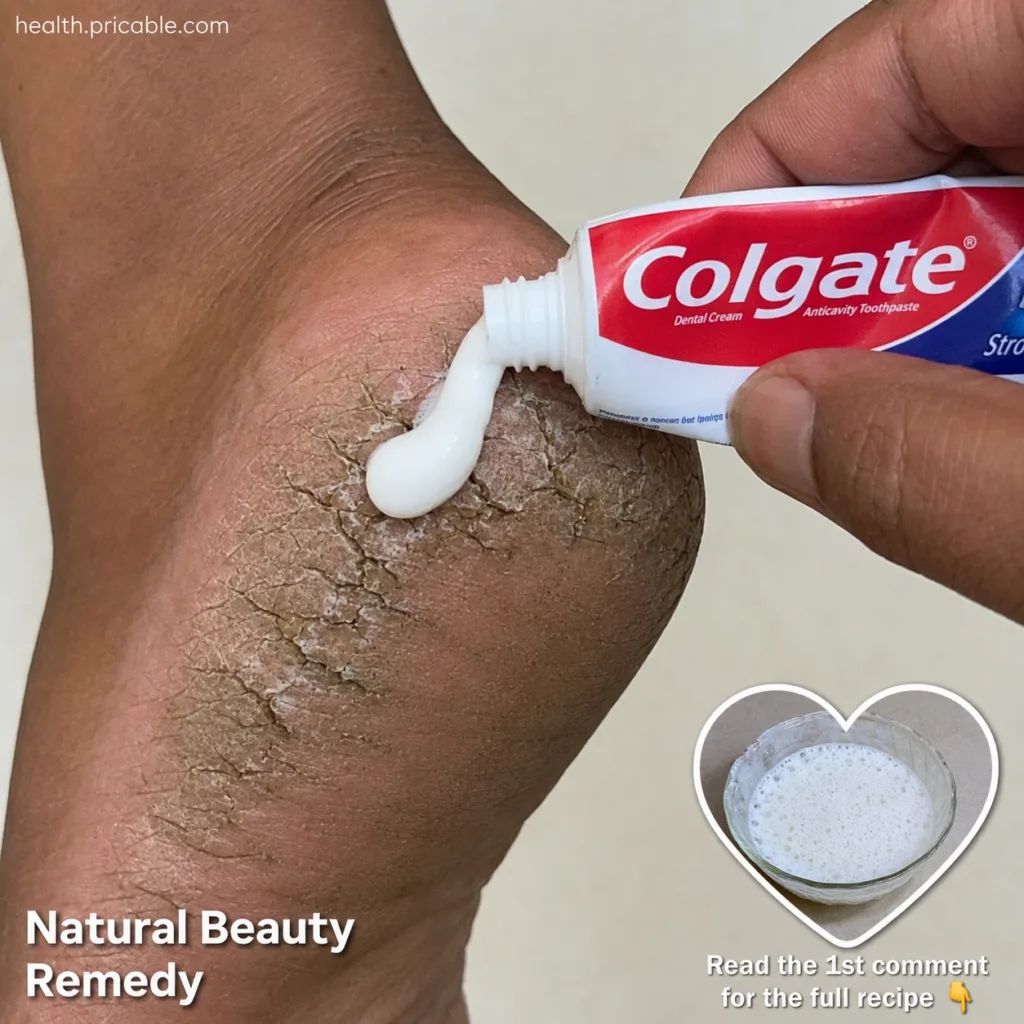
Quick Recipe
Prep time: 2 minutes
Best for: Improving the temporary feel and appearance of dry, rough heels.
Use type: Topical paste
Main ingredients:
- White toothpaste (not gel)
Ingredients
- Approximately 1 tablespoon of white toothpaste (avoid gel varieties as they may contain different ingredients)
How to Make It
This remedy doesn’t require any mixing. The toothpaste is used directly from the tube.
How to Use It
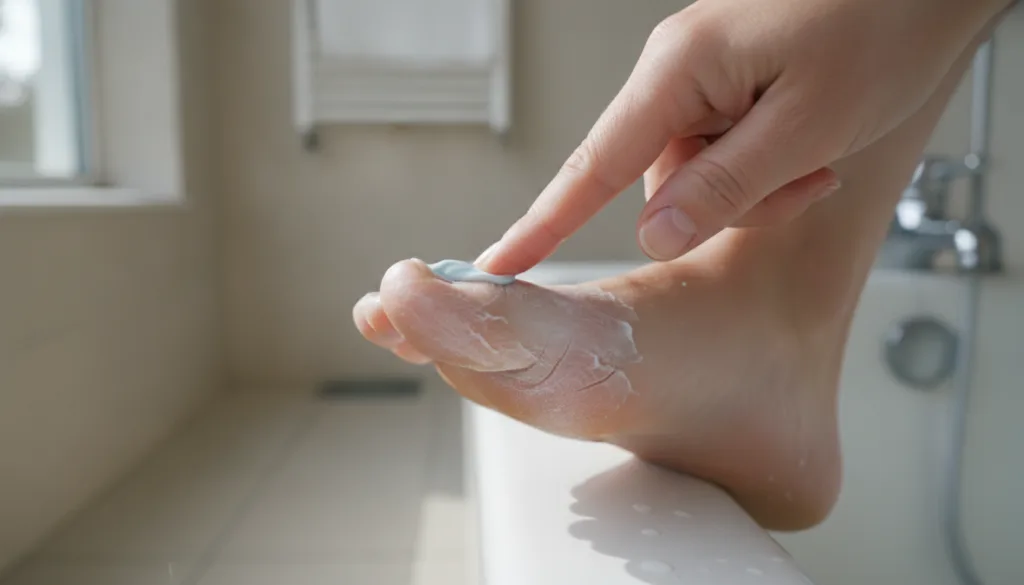
- Wash and dry your feet thoroughly, paying close attention to the heels.
- Apply a thin, even layer of white toothpaste directly onto the dry, rough areas of your heels.
- Leave the toothpaste on for about 10-15 minutes. During this time, you might feel a slight tingling sensation.
- Rinse your feet thoroughly with lukewarm water, gently massaging the area to help remove the toothpaste.
- Pat your feet dry and apply a rich, moisturizing cream or petroleum jelly designed for foot care.
How Often to Use It
Due to the potential for skin irritation and dryness, this hack should be used very infrequently, if at all. Consider it a one-time experiment rather than a regular part of your foot care routine. If you notice any redness, burning, or increased dryness, stop immediately.
Why These Ingredients Are Used
White Toothpaste
Toothpaste, especially traditional white varieties, often contains ingredients like mild abrasives (e.g., calcium carbonate, silica) and detergents (e.g., sodium lauryl sulfate). For oral hygiene, these ingredients help clean and polish teeth. In the context of the viral hack, some believe these properties might offer a gentle exfoliating effect, helping to slough off dead skin cells and temporarily make rough heels feel smoother. Fluoride, a common ingredient, is known for strengthening tooth enamel, but its effects on skin are not related to this benefit and could even be irritating.
What Results to Expect
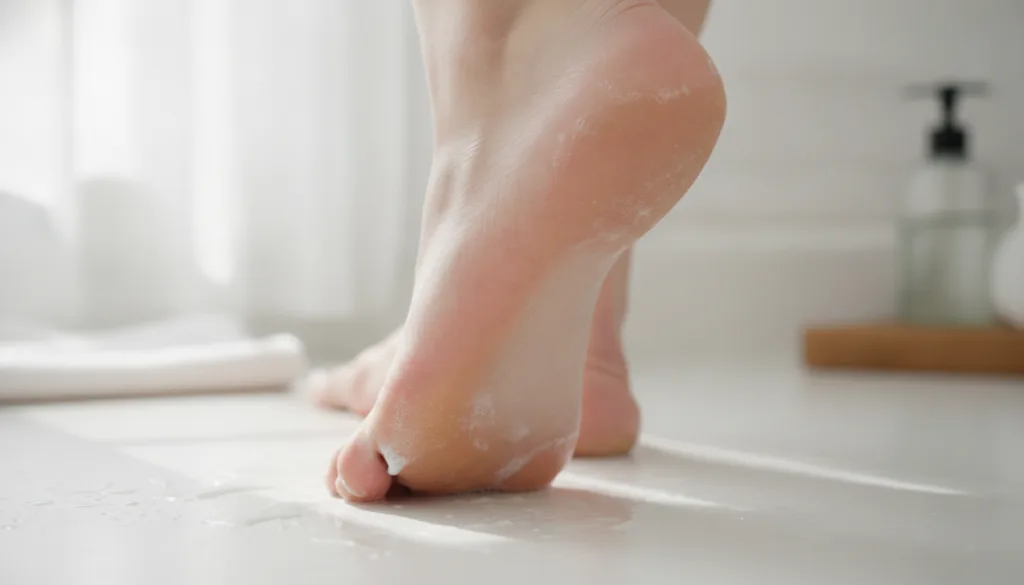
After using this hack, you might notice that your heels temporarily feel somewhat smoother or look slightly cleaner due to the mild abrasive action and detergents in the toothpaste. However, this is likely a superficial and short-lived effect. Toothpaste is not formulated to deeply moisturize or heal cracked skin, and it may even contribute to further dryness or irritation over time, especially if used repeatedly or on compromised skin.
Safety Notes
- Patch test first: Before applying to your entire heel, test a small, inconspicuous area of skin for any adverse reactions.
- Avoid broken or irritated skin: Never apply toothpaste to open wounds, cuts, or severely cracked skin, as it can cause significant irritation, burning, and potential infection.
- Potential for irritation: Toothpaste contains chemicals and abrasives that are not designed for skin. It can cause redness, itching, burning, or allergic reactions, especially for those with sensitive skin.
- May cause dryness: The detergents and other ingredients in toothpaste can strip natural oils from the skin, potentially leading to increased dryness and worsening cracked heels over time.
- Not a proven remedy: There is no scientific evidence to support the use of toothpaste as a safe or effective long-term treatment for cracked heels.
- Stop if discomfort occurs: If you experience any pain, burning, excessive tingling, or discomfort, rinse the toothpaste off immediately with plenty of lukewarm water.
- Consult a professional: For persistent or severe cracked heels, it’s always best to consult a dermatologist or podiatrist for appropriate diagnosis and treatment.
FAQ
Is it safe to put toothpaste on my skin?
Generally, toothpaste is formulated for oral hygiene and not for topical application on skin. It contains ingredients that can be irritating or drying to the skin, especially with prolonged or repeated use.
What kind of toothpaste should I use for this hack?
The viral hack typically refers to using plain white toothpaste, not gel varieties. However, given the safety concerns, it’s advisable to avoid this hack altogether and opt for foot care products specifically designed for heels.
What are better alternatives for cracked heels?
For dry, cracked heels, opt for purpose-made foot creams containing ingredients like urea, lactic acid, salicylic acid, or petroleum jelly. Regular moisturizing, gentle exfoliation with a pumice stone or foot file, and wearing protective footwear are effective and safer methods.
Final Thoughts
While the allure of a simple, everyday item solving a common beauty concern like cracked heels is strong, it’s crucial to prioritize skin health and safety. The viral toothpaste hack for cracked heels lacks scientific backing and carries risks of irritation, dryness, and other adverse reactions. For genuinely softer, healthier-looking heels, stick to dermatologist-recommended foot care routines and products designed for the job. Your feet will thank you! What are your go-to remedies for cracked heels? Share your thoughts in the comments below!