Banish Unwanted Warts: Gentle Natural Remedies for Clearer, Confident Skin
Have you ever wished for clearer, more confident skin, free from those tiny, unwelcome guests? You’re not alone. Many of us encounter skin concerns that can make us feel a little less radiant. Today, we’re diving into a gentle, natural approach to address one common concern: warts. What if some of the most effective solutions are already waiting in your kitchen or garden?
Why This Matters: Reclaiming Your Skin Confidence
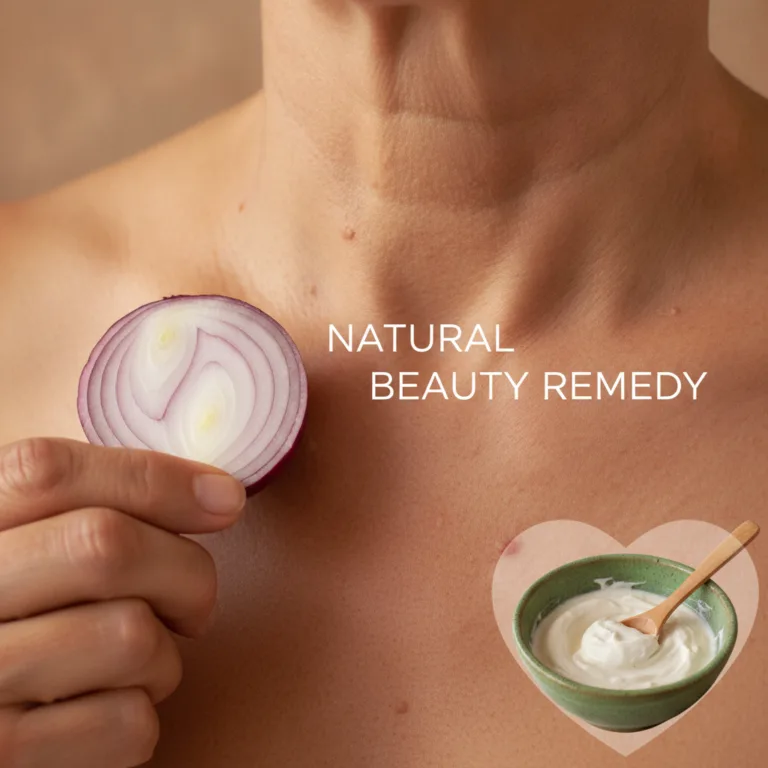
Warts are incredibly common, caused by the human papillomavirus (HPV). While often harmless, they can be a source of discomfort, self-consciousness, or even mild irritation, depending on their location. From the hands and feet to other parts of the body, these small skin growths can feel stubborn and persistent.
In a world full of conventional treatments, many people are turning to natural wellness solutions, seeking methods that are gentle, accessible, and align with a holistic lifestyle. The appeal lies in utilizing ingredients we already trust for other health benefits, bringing a sense of empowerment to our self-care journey. There’s a growing desire to understand and implement remedies that work in harmony with our body’s natural processes, rather than relying solely on harsh chemicals.
Understanding Natural Approaches to Warts
While a medical professional should always diagnose and advise on persistent skin concerns, many traditional and anecdotal remedies have been passed down through generations. These natural approaches often focus on ingredients with perceived antiviral, acidic, or skin-softening properties, aiming to support the body’s natural healing capabilities.
Apple Cider Vinegar (ACV): The Kitchen Staple
Apple cider vinegar is a beloved natural remedy for many reasons, and its traditional use for warts is widespread. Rich in acetic acid, ACV is believed by some to work by gently eroding the wart tissue and creating an environment that may be inhospitable to the virus. It’s an approach that many find appealing due to its accessibility and natural origin.
Tea Tree Oil: Nature’s Antiseptic
Derived from the Australian tea tree, this essential oil is renowned for its potential antiseptic and antiviral properties. Historically, it has been used for various skin conditions. When applied to warts, the idea is that its compounds may help to combat the viral presence and reduce the wart’s appearance over time. Always dilute essential oils before use.
Garlic: A Potent Ally
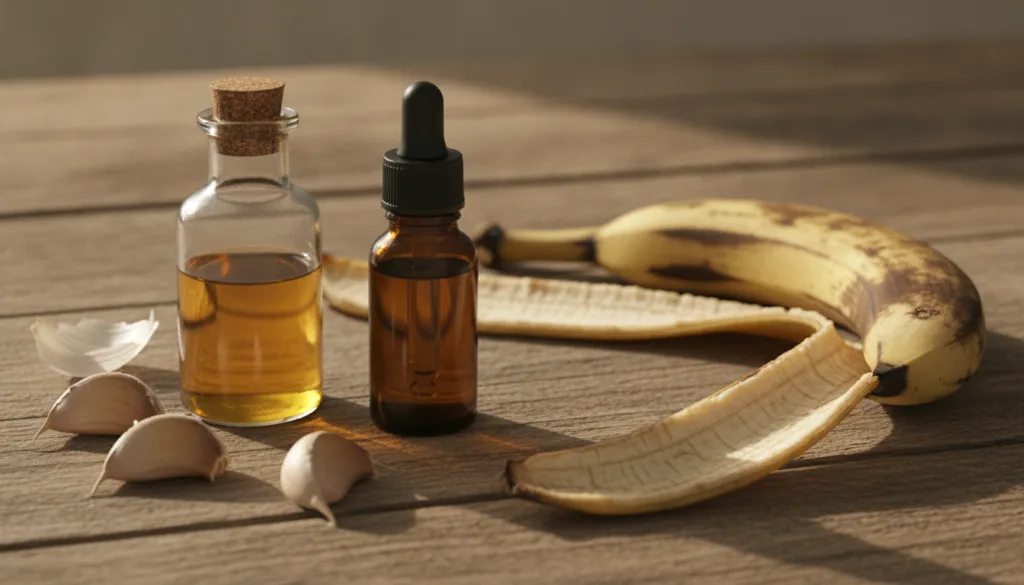
More than just a flavor enhancer, garlic has a long history in traditional medicine, valued for its potential immune-boosting and antiviral compounds, particularly allicin. Some natural wellness enthusiasts suggest that applying crushed garlic directly to a wart may offer benefits by targeting the underlying virus. It’s a testament to the power of everyday ingredients!
Banana Peel & Duct Tape: Simple Folk Remedies
Perhaps some of the most surprising, yet popular, home remedies include the use of banana peels and duct tape. The inside of a banana peel is thought to contain enzymes that may help dissolve the wart tissue. The duct tape method, while not fully understood, is believed to work by irritating the wart and depriving it of oxygen, which may stimulate the immune system to attack it. These are classic examples of practical, accessible solutions.
Your Practical Guide to Gentle Application
Consistency and care are key when trying natural remedies. Here’s a general guide for applying some of these solutions:
- For ACV: Soak a small cotton ball in apple cider vinegar, apply it directly to the wart, and secure it with a bandage overnight. Repeat daily.
- For Tea Tree Oil: Dilute a few drops of pure tea tree oil with a carrier oil (like coconut or jojoba oil). Apply a small amount to the wart with a cotton swab twice a day.
- For Garlic: Crush a fresh garlic clove and apply the paste directly to the wart. Cover with a bandage and leave overnight. Repeat daily.
- For Banana Peel: Cut a piece of banana peel (using the inside part) and tape it over the wart, leaving it on overnight.
- Duct Tape Method: Cut a piece of duct tape slightly larger than the wart and apply it. Leave it on for six days, then soak the wart in water, gently rub with an emery board or pumice stone, and leave it uncovered overnight. Reapply duct tape the next morning for another six days, repeating the cycle.
Always wash and dry the affected area thoroughly before application. Be patient, as natural remedies often take time to show results.
Safety & Precautions: Listen to Your Body
While natural remedies can be a wonderful part of your wellness journey, it’s crucial to approach them with caution and respect for your body. Always remember:
- Consult a Healthcare Professional: If you have any doubts, if a wart changes in appearance, bleeds, or becomes painful, always consult your doctor or a dermatologist. This is especially important for warts on the face, genitals, or if you have a compromised immune system or diabetes.
- Patch Test: Before applying any remedy directly to a wart, especially essential oils or acidic solutions like ACV, perform a patch test on a small, inconspicuous area of your skin to check for sensitivity or allergic reactions.
- Avoid Open Wounds: Never apply these remedies to broken or irritated skin.
- Pregnancy & Nursing: If you are pregnant or nursing, consult your doctor before trying any new remedies.
- Discontinue if Irritated: If you experience severe irritation, burning, or discomfort, stop using the remedy immediately and rinse the area thoroughly.
- Not a Cure-All: Natural remedies may support your body, but they are not guaranteed to work for everyone and are not a substitute for professional medical advice or treatment.
Key Takeaways for Clearer Skin
- Warts are common skin growths caused by HPV, often prompting a search for natural solutions.
- Natural remedies like ACV, tea tree oil, and garlic are traditionally used for their potential properties.
- Consistency, patience, and gentle application are essential when trying home remedies.
- Always perform a patch test and discontinue use if irritation occurs.
- Consult a healthcare professional for persistent, painful, or changing warts, or if you have underlying health conditions.
Frequently Asked Questions
Do natural remedies for warts actually work?
Many people report success with natural remedies, often through anecdotal evidence and traditional use. However, scientific evidence supporting their effectiveness varies, and results can differ greatly from person to person. They may work for some, but not for all.
How long does it take for natural remedies to remove warts?
Patience is key! Natural remedies typically take longer than conventional treatments. It could take several weeks or even months of consistent application to see results, if any. Some warts may clear up on their own, regardless of intervention.
When should I see a doctor about a wart?
It’s always wise to see a doctor if your wart is painful, bleeding, changes in appearance, is located on your face or genitals, or if you have a weakened immune system. A medical professional can provide an accurate diagnosis and discuss appropriate treatment options.
Can warts spread through natural remedies?
Warts are contagious, and while using remedies, it’s important to prevent the virus from spreading. Avoid picking or scratching warts, and wash your hands thoroughly after touching them or applying remedies. Use separate tools (like emery boards) for affected areas.
Related Reading You Might Enjoy
Eager to explore more natural paths to wellness and radiant skin? Discover our other articles on:
- Natural Anti-Inflammatory Ingredients for Glowing Skin
- Boosting Your Immunity Naturally: Everyday Foods and Herbs
- The Power of Essential Oils for Everyday Wellness
- Healthy Aging: Embrace Vitality with Holistic Practices