Many people don’t realize that feeling full until lunch isn’t just about eating more—it’s about how your breakfast is structured.
You can eat a “healthy” breakfast and still feel hungry by mid-morning. That usually happens when meals lack the right balance of protein, fiber, and healthy fats.
The breakfasts in this guide focus on a simple principle:
Meals that combine 15–25g protein + fiber + fat tend to support more stable hunger and energy levels.
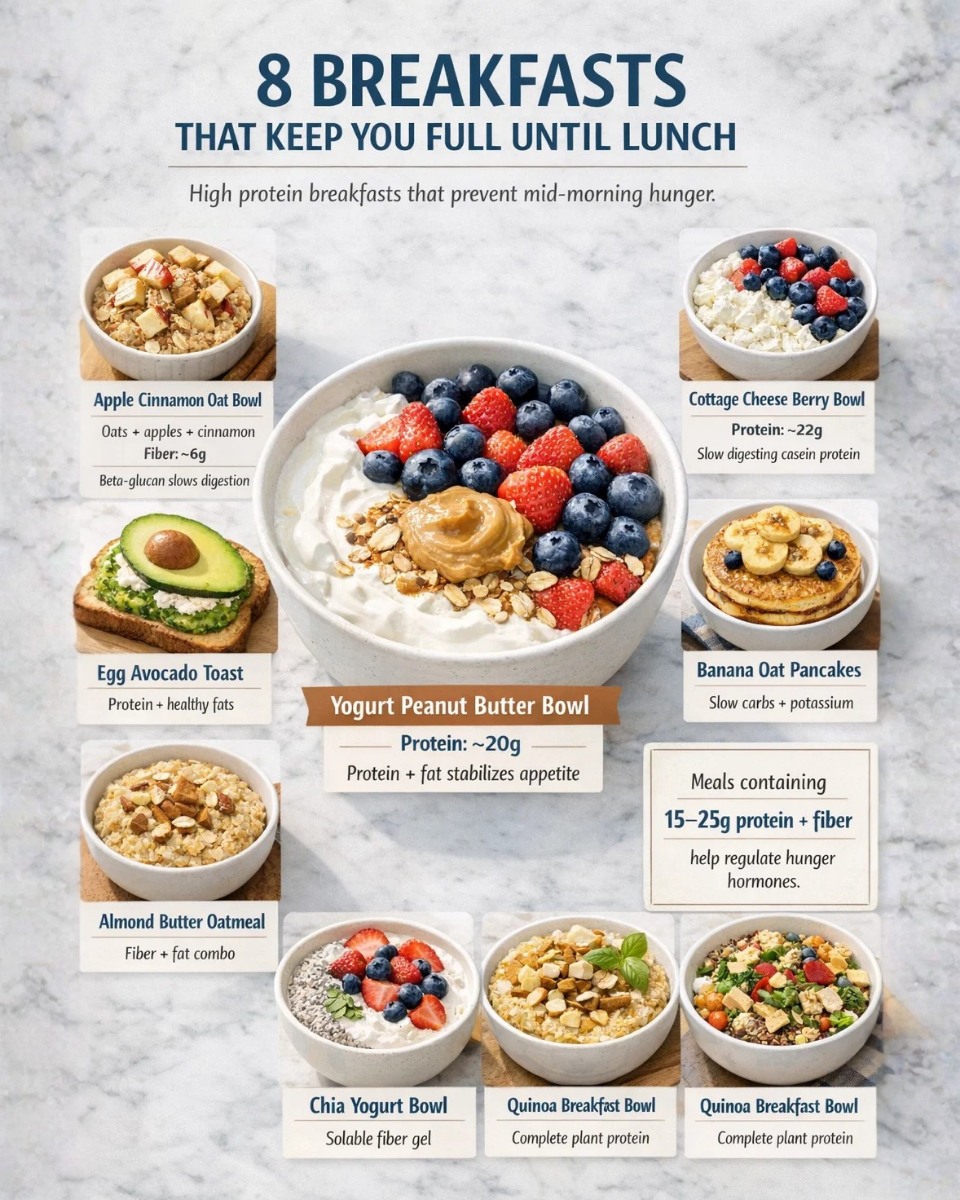
Below are 8 practical breakfast ideas from the infographic, explained in detail so you can actually use them.
Why Some Breakfasts Keep You Full Longer
Fullness is influenced by three key factors:
- Protein → helps regulate appetite signals
- Fiber → slows digestion and adds volume
- Healthy fats → increase satisfaction and reduce cravings
When all three are present, digestion is slower and energy release is more stable.
1. Yogurt Peanut Butter Bowl (Protein ~20g)
This is the centerpiece breakfast in the infographic—and one of the most effective.
Why it works:
- Greek yogurt provides high-quality protein (~20g)
- Peanut butter adds healthy fats
- Berries and granola contribute fiber and volume
How to make it:
- 1 cup Greek yogurt
- 1 tablespoon peanut butter
- ½ cup mixed berries
- 2 tablespoons granola
Key benefit:
This combination helps stabilize appetite and may reduce the urge to snack mid-morning.

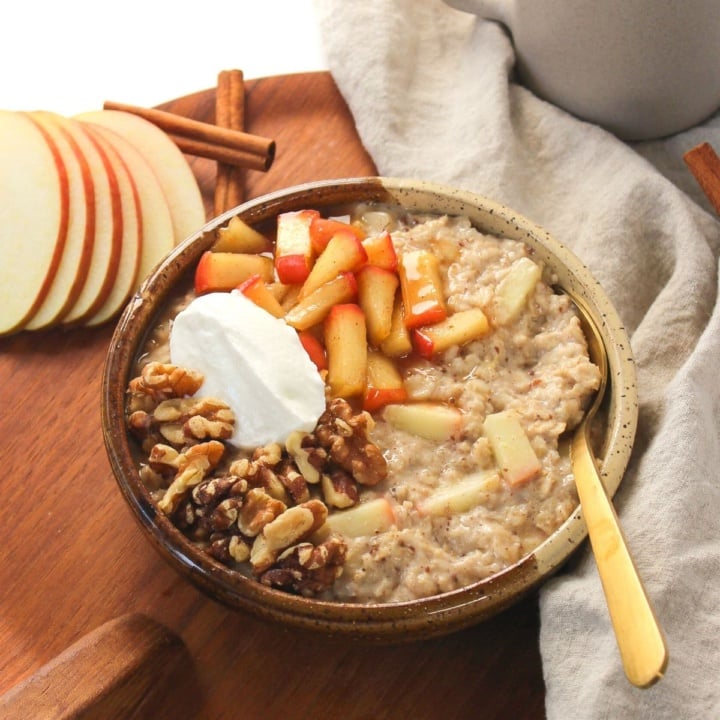
2. Apple Cinnamon Oat Bowl
Why it works:
- Oats contain beta-glucan fiber, known for slowing digestion
- Apples add fiber + natural sweetness
- Cinnamon adds flavor without sugar
How to make it:
- ½ cup oats (cooked)
- ½ apple (chopped)
- ½ tsp cinnamon
- Optional: nuts for fat
Key benefit:
Supports steady energy and avoids rapid hunger spikes.
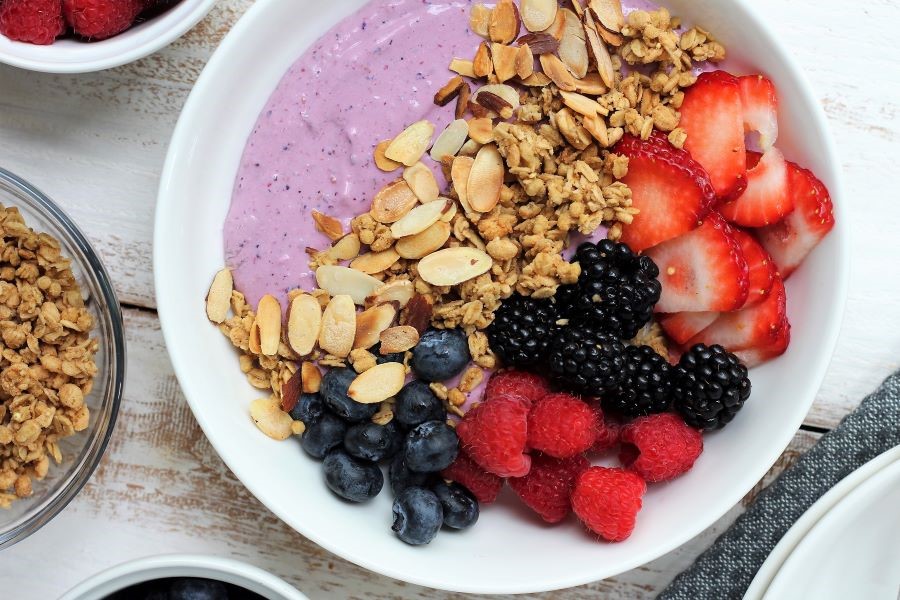
3. Cottage Cheese Berry Bowl
Why it works:
- Cottage cheese provides slow-digesting casein protein
- Berries add fiber and antioxidants
How to make it:
- 1 cup cottage cheese
- ½ cup mixed berries
- Optional: seeds or nuts
Key benefit:
Protein digests slowly, helping you stay full longer.
4. Banana Oat Pancakes
Why it works:
- Combines complex carbs + potassium
- When paired with protein (eggs or yogurt), becomes more balanced
How to make it:
- 1 banana
- 2 eggs
- ½ cup oats
Blend and cook like pancakes.
Key benefit:
More satisfying than plain carbs when combined with protein.
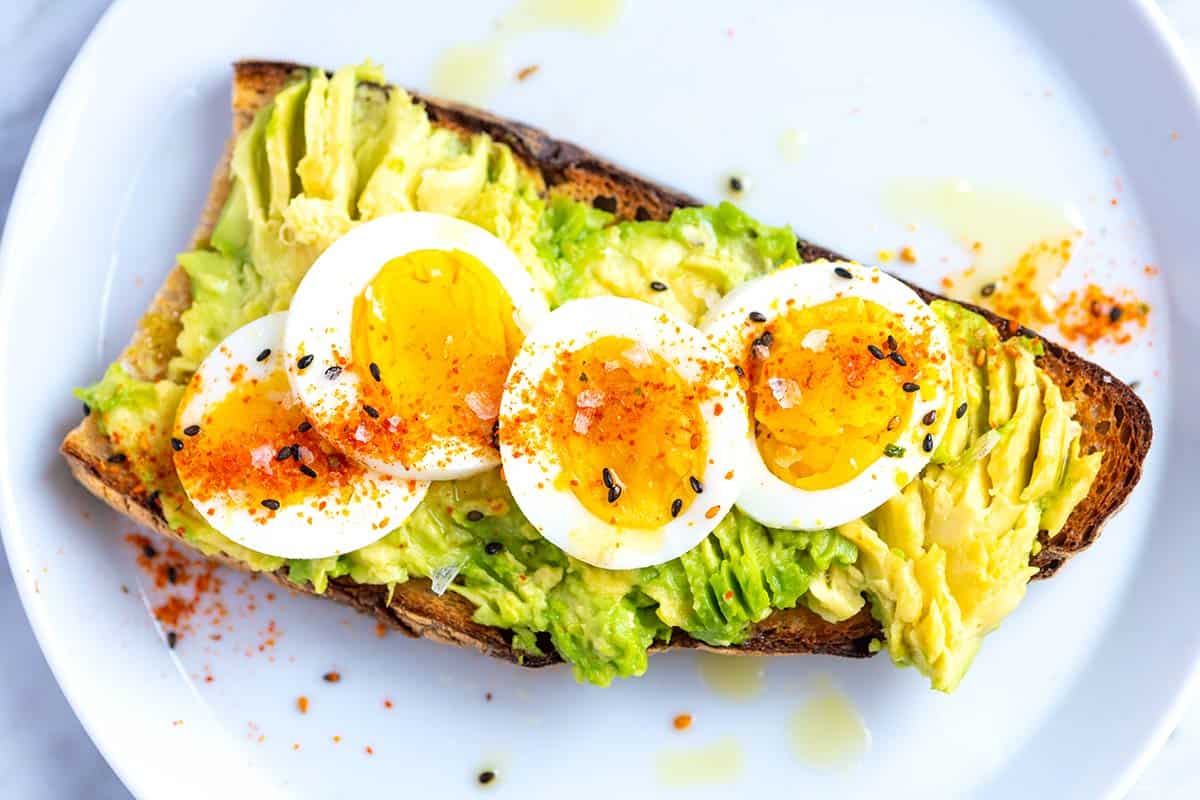
5. Egg Avocado Toast
Why it works:
- Eggs provide protein
- Avocado adds healthy fats
- Whole grain toast adds fiber
How to make it:
- 1–2 eggs
- ½ avocado
- 1 slice whole grain bread
Key benefit:
Balanced macronutrients help maintain fullness and focus.
6. Almond Butter Oatmeal
Why it works:
- Oats = fiber
- Almond butter = fat + protein
How to make it:
- ½ cup oats
- 1 tablespoon almond butter
- Optional: fruit
Key benefit:
Fat + fiber combo slows digestion significantly.

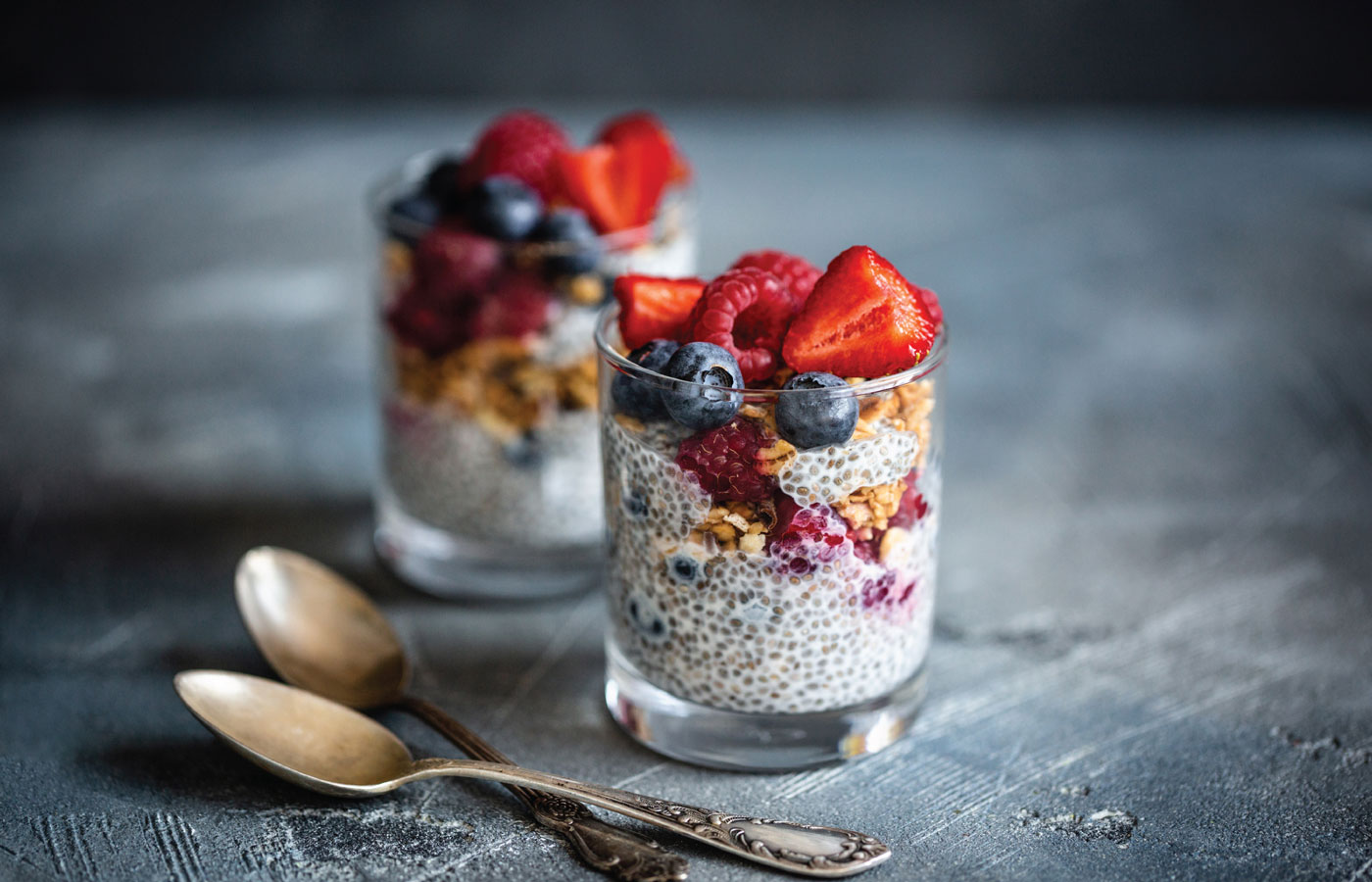
7. Chia Yogurt Bowl
Why it works:
- Chia seeds absorb liquid and form a gel-like fiber structure
- Yogurt adds protein
How to make it:
- 1 cup yogurt
- 1 tablespoon chia seeds
- Fruit topping
Key benefit:
Supports longer-lasting satiety due to fiber expansion.
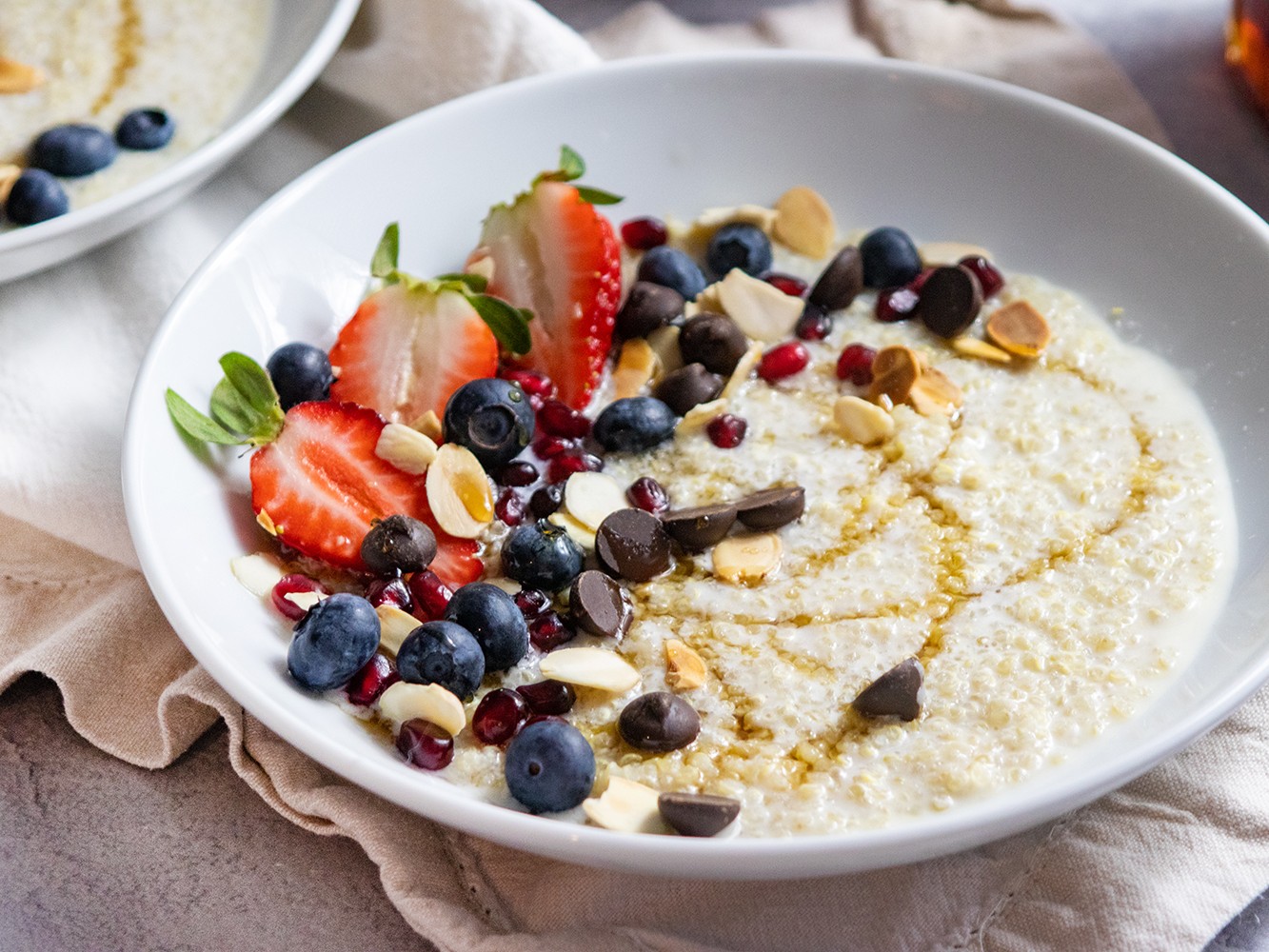
8. Quinoa Breakfast Bowl
Why it works:
- Quinoa is a complete plant protein
- Contains both protein and fiber
How to make it:
- ½ cup cooked quinoa
- Nuts, fruit, or yogurt
Key benefit:
A strong alternative to traditional carb-heavy breakfasts.
The Key Pattern Behind All 8 Breakfasts
Across all options, one pattern stands out:
Protein + fiber + fat = more stable hunger control
The infographic highlights that meals with 15–25g of protein plus fiber are more effective at supporting fullness signals.
This is why two breakfasts with similar calories can feel completely different—structure matters more than quantity.
How to Build Your Own Filling Breakfast
You don’t need to follow recipes exactly. Use this simple framework:
Step 1: Choose a protein base
- Greek yogurt
- Eggs
- Cottage cheese
- Quinoa
Step 2: Add fiber
- Oats
- Fruit
- Seeds
Step 3: Add healthy fat
- Nuts
- Nut butter
- Avocado
Simple Example Combinations
- Yogurt + chia + berries
- Eggs + toast + avocado
- Oats + almond butter + apple
- Cottage cheese + fruit + nuts
Practical Tips to Avoid Mid-Morning Hunger
- Avoid breakfasts that are only carbs (like toast or cereal alone)
- Include at least 15g protein in your meal
- Add a small amount of fat to improve satisfaction
- Eat slowly to allow fullness signals to register
Final Thoughts
Feeling full until lunch is less about eating more—and more about eating smarter.
When your breakfast includes protein, fiber, and healthy fats, your body processes energy more steadily, which can help reduce early hunger and improve focus.
Small adjustments—like adding protein or balancing your plate—often make a bigger difference than completely changing your diet.