Unlock Ancient Wisdom: 6 Seeds for Modern Digestive Wellness
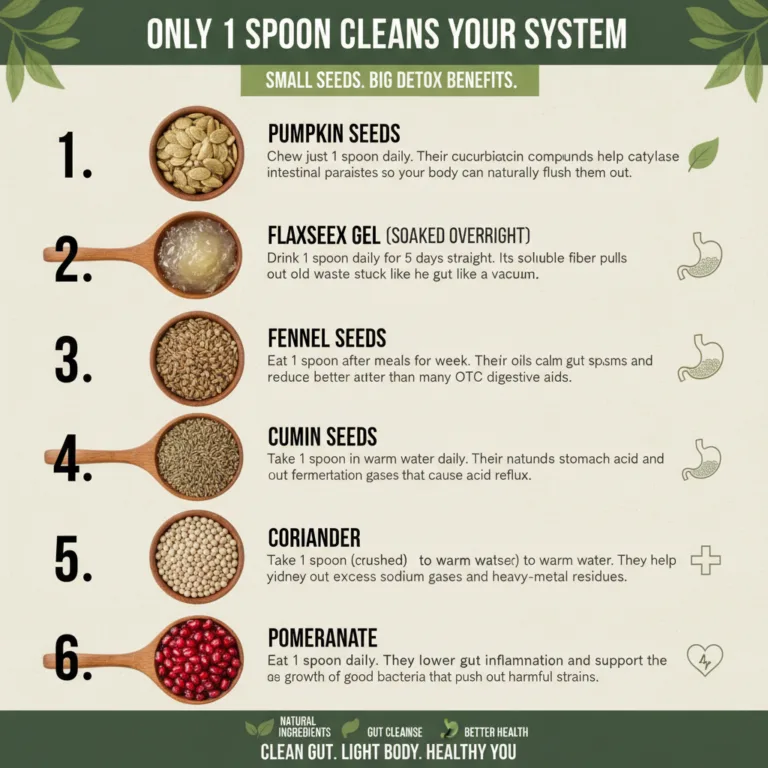
Have you ever considered that some of the most potent allies for your digestive system might be hiding in plain sight, perhaps right in your pantry? For centuries, cultures around the world have revered humble seeds for their incredible health-supporting properties, especially when it comes to gut health and natural cleansing.
Imagine a simpler time when natural remedies were the go-to for daily well-being. These ancient traditions held valuable secrets, and today, modern science is increasingly confirming what our ancestors intuitively knew. What if just a spoonful of these tiny powerhouses could be the key to unlocking a cleaner system and truly transforming your digestive wellness?
Get ready to rediscover these age-old treasures and learn how to easily incorporate them into your daily life for a happier, healthier gut!
Why These Tiny Treasures Matter for Your Gut
In our fast-paced modern world, maintaining optimal digestive health can feel like a constant challenge. Stress, processed foods, and environmental factors can all take a toll on our gut microbiome, leading to discomfort, sluggishness, and a general feeling of imbalance. It’s no wonder that so many of us are seeking natural, gentle ways to support our bodies from the inside out.
This is where seeds shine! Often overlooked, these nutritional marvels are packed with fiber, healthy fats, vitamins, minerals, and antioxidants – all essential components for a thriving digestive system. They’ve gained popularity not just as health trends, but as foundational elements in natural wellness because they offer a holistic approach to gut support. By understanding how they work, we can make informed choices to benefit our overall vitality and move towards aging well and preventing common health issues naturally.
The Magnificent 6: Seeds for Digestive Wellness
Let’s delve into six incredible seeds that can make a profound difference to your gut health.
1. Chia Seeds: The Gel-Forming Powerhouse
How they work: When chia seeds come into contact with liquid, they form a gelatinous coating. This soluble fiber acts like a broom, sweeping through your digestive tract.
- Nutritional Compounds: Rich in soluble and insoluble fiber, omega-3 fatty acids (alpha-linolenic acid – ALA), protein, and minerals like calcium and magnesium.
- Traditional Uses: Valued by ancient Aztecs and Mayans for sustained energy and endurance.
- Modern Scientific Understanding: The high fiber content supports bowel regularity, helps prevent constipation, and feeds beneficial gut bacteria (prebiotic effect). Omega-3s contribute to reducing inflammation, which can benefit gut lining health.
- Potential Benefits: May aid in smoother digestion, promote satiety, stabilize blood sugar, and support a healthy gut microbiome.
- Limitations: Can cause bloating if not adequately hydrated or consumed in large quantities initially.
2. Flax Seeds: The Lignan-Rich Superstar
How they work: Flax seeds are another fiber-dense champion. For optimal benefit, they should be ground, as whole seeds can pass through the digestive system undigested.
- Nutritional Compounds: Excellent source of soluble and insoluble fiber, omega-3 fatty acids (ALA), and lignans (plant compounds with antioxidant and estrogen-balancing properties).
- Traditional Uses: Cultivated since ancient times for food, fiber, and oil. Used in traditional medicine for digestive complaints.
- Modern Scientific Understanding: The mucilage (soluble fiber) in flax helps normalize bowel movements. Lignans may contribute to gut health by influencing the microbiome.
- Potential Benefits: Supports regularity, may reduce inflammation, and contributes to heart health.
- Limitations: Must be ground to access nutrients effectively. May interact with certain medications due to high fiber content.
3. Hemp Seeds: The Gentle Protein Booster
How they work: Unlike chia and flax, hemp seeds are softer and don’t form a gel. They offer a balanced profile of fats and protein that support overall cellular health, including the gut lining.
- Nutritional Compounds: Complete protein source, rich in omega-3 and omega-6 fatty acids (in an optimal ratio), vitamin E, phosphorus, potassium, sodium, magnesium, calcium, iron, and zinc.
- Traditional Uses: Used for centuries as a food source, particularly for their nutritious seeds and oils.
- Modern Scientific Understanding: Their easily digestible protein and balanced essential fatty acids contribute to overall nutritional well-being, indirectly supporting a healthy gut environment. The fiber content (though lower than chia/flax) still aids digestion.
- Potential Benefits: Supports muscle repair, skin health, and can be a good plant-based protein source for those with digestive sensitivities.
- Limitations: Less fiber than chia or flax for direct bowel regulation.
4. Pumpkin Seeds: The Nutrient-Packed Crunch
How they work: These delightful seeds offer a spectrum of minerals and healthy fats that are crucial for various bodily functions, including gut support.
- Nutritional Compounds: Rich in magnesium, zinc, iron, protein, and healthy fats (omega-6). They also contain unique antioxidants.
- Traditional Uses: Widely used in traditional medicine for their benefits in prostate health, bladder function, and as a natural dewormer.
- Modern Scientific Understanding: Zinc is vital for immune function, which is closely linked to gut health. Magnesium supports muscle function, including bowel movements. Their fiber content contributes to digestive regularity.
- Potential Benefits: Supports immune health, may aid in maintaining healthy blood sugar levels, and contributes to overall vitality.
- Limitations: Higher in calories, so consume in moderation.
5. Sunflower Seeds: The Vitamin E Boost
How they work: Sunflower seeds are a fantastic source of vitamin E and other antioxidants that protect cells, including those in the digestive tract, from oxidative stress.
- Nutritional Compounds: Excellent source of vitamin E, selenium, magnesium, copper, B vitamins, and healthy fats.
- Traditional Uses: Native American cultures used sunflower seeds for various culinary and medicinal purposes.
- Modern Scientific Understanding: Vitamin E acts as a powerful antioxidant, protecting cells from damage. Selenium is crucial for thyroid health and acts as an antioxidant. The fiber supports digestion.
- Potential Benefits: Supports skin health, immune function, and provides antioxidant protection.
- Limitations: Often roasted and salted; opt for raw or lightly roasted, unsalted varieties to avoid excess sodium.
6. Pomegranate Seeds: The Polyphenol Gem
How they work: While technically arils (flesh-covered seeds), these juicy gems are packed with powerful antioxidants called polyphenols that can positively influence gut bacteria and reduce inflammation.
- Nutritional Compounds: High in vitamin C, vitamin K, folate, and potent antioxidants like punicalagins and anthocyanins. They also contain fiber.
- Traditional Uses: Revered in many cultures for their medicinal properties, particularly for heart health and as an anti-inflammatory.
- Modern Scientific Understanding: The fiber and polyphenols act as prebiotics, feeding beneficial gut bacteria and promoting a diverse microbiome. The anti-inflammatory properties can soothe the gut lining.
- Potential Benefits: Supports gut diversity, provides antioxidant protection, and may help reduce inflammation.
- Limitations: Can be messy to prepare. Pomegranate juice can be high in sugar.
Your Practical Guide to Incorporating Seeds
Adding these seeds to your diet is surprisingly simple and delicious! Here are some easy ways to get started:
- Smoothie Boost: Add 1-2 tablespoons of chia, flax (ground), or hemp seeds to your morning smoothie for extra fiber, protein, and healthy fats.
- Yogurt & Oatmeal Topper: Sprinkle a mix of pumpkin, sunflower, or hemp seeds over yogurt, oatmeal, or smoothie bowls.
- Salad Enhancer: Toast pumpkin or sunflower seeds lightly for a crunchy, nutritious addition to salads. Pomegranate seeds add a burst of flavor and color.
- Baking & Cooking: Incorporate ground flax or chia into muffins, breads, or even as an egg substitute in vegan recipes. Hemp seeds can be mixed into energy bites.
- Homemade Trail Mix: Combine your favorite seeds with nuts and dried fruit for a wholesome snack.
- Seed Cycling: For women, some traditions suggest rotating specific seeds throughout the menstrual cycle to support hormonal balance.
Beginner Tips:
- Start small, perhaps with 1 teaspoon a day, and gradually increase to 1-2 tablespoons.
- Always drink plenty of water, especially when consuming fiber-rich seeds like chia and flax, to prevent constipation.
- For flax seeds, always grind them just before use or buy pre-ground flax meal and store it in the refrigerator to preserve freshness and nutrients.
Safety, Precautions, and Considerations
While seeds are generally safe and beneficial, it’s wise to be mindful of a few points:
- Hydration: High-fiber seeds like chia and flax absorb a lot of water. Ensure you drink enough fluids to prevent digestive discomfort like bloating or constipation.
- Allergies: Though uncommon, some individuals may have allergies to certain seeds. If you experience any adverse reactions, discontinue use.
- Medication Interactions: The high fiber content of some seeds can potentially interfere with the absorption of certain medications. If you are on medication, especially blood thinners (due to omega-3s) or blood sugar regulators, consult your healthcare professional before significantly increasing your seed intake.
- Existing Medical Conditions: Individuals with certain digestive conditions (e.g., diverticulitis flare-ups) or those who are pregnant or breastfeeding should speak with a doctor or registered dietitian to ensure seeds are appropriate for their specific needs.
- Oxidation: Store seeds in airtight containers in a cool, dark place, or the refrigerator, to prevent rancidity, especially for omega-rich varieties like flax and hemp.
Key Takeaways for a Healthier Gut
- Seeds are nutritional powerhouses packed with fiber, healthy fats, vitamins, and minerals.
- Chia and flax seeds are excellent for regulating digestion and providing omega-3s.
- Hemp, pumpkin, and sunflower seeds offer protein, essential minerals, and antioxidants.
- Pomegranate seeds provide powerful polyphenols and dietary fiber.
- Start with small amounts and increase gradually while ensuring adequate hydration.
- Always grind flax seeds for optimal nutrient absorption.
- Consult a healthcare professional if you have allergies, existing medical conditions, or are on medication.
Frequently Asked Questions
Q1: Do I need to soak chia seeds before eating them?
A1: While not strictly necessary, soaking chia seeds can make them easier to digest and prevents them from absorbing too much water from your digestive tract, which can cause discomfort. It also makes their nutrients more bioavailable.
Q2: Can seeds help with weight loss?
A2: Seeds are rich in fiber and protein, which can promote feelings of fullness and reduce overall calorie intake, potentially aiding in weight management when part of a balanced diet.
Q3: Are organic seeds better?
A3: Opting for organic seeds can reduce exposure to pesticides and herbicides. While both conventional and organic seeds offer nutritional benefits, organic may be a preferable choice for some.
Q4: How much fiber do these seeds provide?
A4: The fiber content varies. For example, 2 tablespoons of chia seeds provide around 10 grams of fiber, and 2 tablespoons of ground flax seeds offer about 6 grams. Incorporating a variety ensures a good spectrum of fiber types.
Q5: Can I give seeds to children?
A5: Most seeds are safe for children in moderation, but it’s best to introduce them gradually, ensure they are finely ground (especially flax) or in small pieces to prevent choking hazards, and always supervise. Consult a pediatrician for specific dietary advice for young children.
Related Reading to Continue Your Wellness Journey
- Boosting Your Immune System Naturally: The Power of Zinc and Vitamin C
- Herbal Remedies for Digestive Comfort: A Natural Approach
- The Anti-Inflammatory Kitchen: Foods That Soothe Your Body
- Understanding Your Gut Microbiome: The Key to Overall Health
- Top 5 Superfoods for Healthy Aging