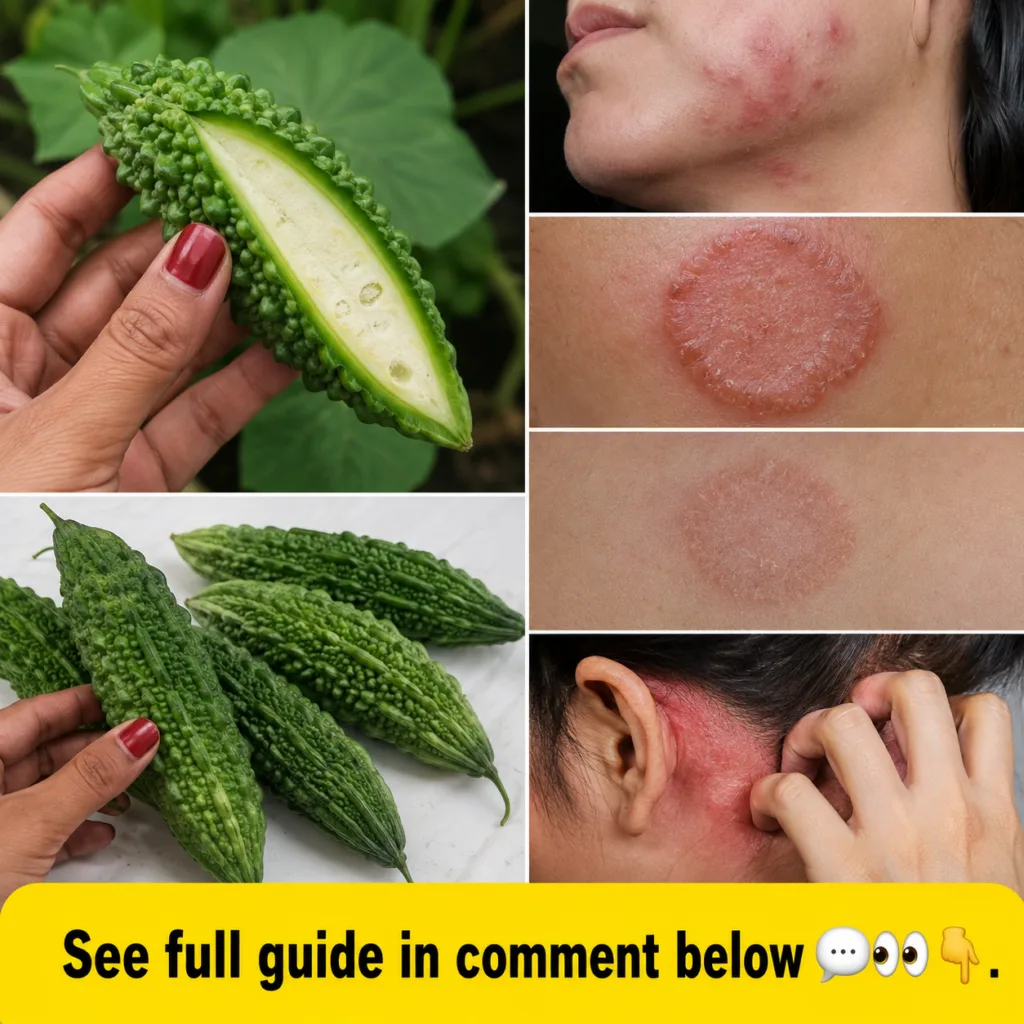
Most people ignore the knobby, bitter gourd called Karela, or bitter melon, relegating it to obscure recipes or health tonics. But what if this distinctly unappealing vegetable held a remarkable secret for your skin? Far beyond its challenging taste, bitter melon is revered in traditional practices for its profound impact on skin vitality, offering a simple, natural pathway to address common concerns like blemishes, inflammation, and irritations. It’s time to look past its bitterness and uncover the practical, topical remedy it truly is.
What is Bitter Melon (Karela)?
Bitter melon, or Karela (Momordica charantia), is a tropical vine belonging to the gourd family. Recognizable by its warty, elongated appearance, it’s cultivated worldwide for its edible fruit. In traditional systems like Ayurveda and Traditional Chinese Medicine, it’s revered for properties believed to cleanse the body from within. Beyond its internal benefits, applying bitter melon topically is a practice that harnesses its natural compounds directly where they’re needed most – on your skin. Its active components are thought to contribute to its observed anti-inflammatory, antimicrobial, and antioxidant effects, making it a powerful ally for various skin concerns.
Ingredients for a Simple Topical Paste
For a basic, effective bitter melon skin paste, you only need a few items:
- 1 medium-sized fresh bitter melon (Karela)
- 1-2 tablespoons distilled water (or rosewater for added soothing)
- Optional: A pinch of turmeric powder for enhanced anti-inflammatory effects (perform a patch test first).
Approximate Measurements
- Bitter Melon: Approximately 100-150 grams for one application.
- Water/Rosewater: Start with 1 tablespoon, add more slowly until a smooth paste consistency is achieved (typically not exceeding 2 tablespoons).
- Turmeric: A small pinch (¼ teaspoon maximum).
Formula / Recipe: Bitter Melon Skin Soothe Paste
This formula aims to create a gentle yet potent topical application. The key is to extract the juice and pulp into a smooth consistency that can adhere to the skin effectively.
Step-by-Step Method
- Wash Thoroughly: Rinse the bitter melon under cold running water. You can gently scrub its warty surface to remove any dirt or residues.
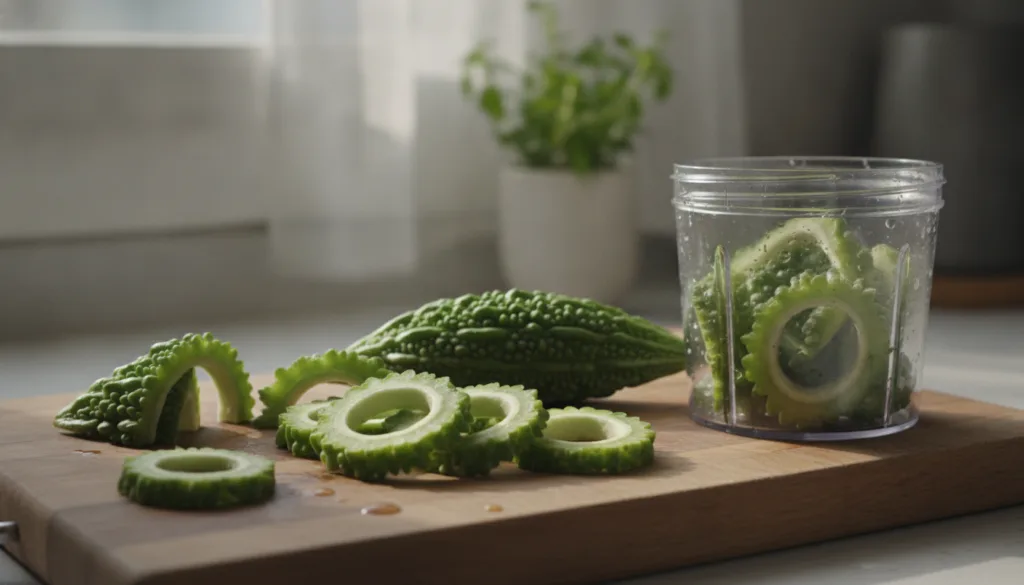
- Slice and Seed: Cut the bitter melon into smaller pieces. Remove the seeds and the white pith from the center; these parts are the most bitter and can be fibrous, though some traditional preparations use them. For skin, focusing on the green flesh is often preferred.
- Chop: Further chop the bitter melon flesh into small cubes to facilitate blending.
- Blend into a Paste: Place the chopped bitter melon into a blender or food processor. Add 1 tablespoon of distilled water or rosewater. Blend until you achieve a fine, smooth paste. If it’s too thick, add water/rosewater a few drops at a time until the desired consistency is reached – thick enough to stay on the skin but spreadable.
- Strain (Optional but Recommended): For a smoother application, especially for facial use, you can strain the paste through a fine-mesh sieve or cheesecloth to remove any remaining fibrous bits. Press firmly to extract the liquid and a fine pulp. The remaining pulp is what you’ll use.
- Add Turmeric (If using): Mix in a pinch of turmeric powder until well combined.
How to Use
Always perform a patch test on a small, inconspicuous area of your skin (e.g., inner forearm) 24 hours before full application to check for any adverse reactions.
- For Acne and Blemishes: Apply a thin layer of the paste directly onto affected areas.
- For Inflamed Skin (Eczema/Dermatitis-like irritations, not open wounds): Gently dab the paste onto the irritated spots. Do not rub vigorously.
- For General Skin Tone and Radiance: Apply a thin, even layer over your cleansed face (avoiding eyes) or other areas of concern.
- Application Time: Leave the paste on for 15-20 minutes. You might feel a slight tingling sensation, which is usually normal. If it becomes uncomfortable or burns, rinse off immediately.
- Rinse Off: Wash off thoroughly with cool water. Pat your skin dry with a clean towel.
How Often to Use
For targeted issues like acne spots or localized inflammation, use the bitter melon paste 2-3 times per week. For general skin support, once a week is usually sufficient. Consistency is more important than overuse. Listen to your skin – if it feels dry or irritated, reduce frequency.
Quick Tip: For sensitive skin, consider diluting the bitter melon juice further with aloe vera gel or pure rosewater before applying, or reduce the application time to 10 minutes.
How to Buy / How to Choose Ingredients
When selecting bitter melon:
- Look for Firmness: Choose bitter melons that are firm to the touch, without soft spots or bruises.
- Vibrant Green Color: The skin should be a vibrant green. Avoid those that are yellowing, as this indicates overripeness and a less potent flavor/compound profile.
- Avoid Blemishes: Check for any signs of mold, extensive cuts, or significant discoloration.
- Consider Organic: If available, organic bitter melon is preferable to minimize exposure to pesticides, especially when using it for skin remedies.
- Source Locally: Local markets often have the freshest produce.
Storage
- Whole Bitter Melon: Store unwashed bitter melon in a paper bag in the crisper drawer of your refrigerator for up to 5-7 days. Avoid storing in plastic bags, as moisture can lead to spoilage.
- Bitter Melon Paste: The fresh paste is best used immediately. If you must store it, place it in an airtight container in the refrigerator and use within 24 hours. Freezing is generally not recommended for topical pastes as it can alter the texture and potency.
Practical Tips
- Clean Skin is Key: Always apply the bitter melon paste to freshly cleansed skin, free of makeup, dirt, and oils.
- Hydrate After: Bitter melon can be slightly drying. After rinsing the paste off, follow up with a light, natural moisturizer to keep your skin hydrated.
- Consistency Matters: Natural remedies often take time to show results. Be consistent with your application, but also patient.
- Sun Protection: While using any topical remedy, always use sunscreen, particularly if applying to facial areas.
- Internal Support: Consider incorporating bitter melon into your diet (juice, stir-fries) to support skin health from within, in conjunction with topical applications.
Common Mistake: One common mistake is expecting instant results or over-applying the paste. Natural remedies work synergistically with your body and require consistency, not aggressive use, to show benefits. Over-application can lead to dryness or irritation.
Common Mistakes
- Using Unripe or Overripe Bitter Melon: The potency of compounds can vary. Opt for vibrant green, firm bitter melon.
- Skipping the Patch Test: This is crucial. Even natural ingredients can cause allergic reactions in some individuals.
- Applying to Broken or Irritated Skin: Never apply bitter melon paste to open wounds, severely broken skin, or highly inflamed areas without consulting a healthcare professional, as it could cause further irritation or infection.
- Not Rinsing Thoroughly: Residues can lead to dryness or block pores. Ensure all paste is removed.
- Using Metal Utensils for Storage/Preparation: While not definitively proven for bitter melon, some herbalists suggest avoiding metal when preparing certain plant-based remedies to prevent potential interactions, though for short-term use this is less of a concern. Opt for glass or ceramic bowls.
Cautions / Who Should Avoid It
- Pregnancy and Breastfeeding: Consult a doctor before using bitter melon topically or internally if pregnant or breastfeeding.
- Diabetes: Bitter melon can lower blood sugar levels when consumed internally. While topical absorption is minimal, individuals with diabetes on medication should exercise caution and consult a healthcare provider.
- Sensitive Skin: Always perform a patch test. If you experience severe redness, itching, or burning, discontinue use immediately.
- Allergies: If you have known allergies to gourds or other plants in the Cucurbitaceae family, avoid bitter melon.
- Drug Interactions: If you are on any medications, particularly for blood sugar regulation, discuss with your doctor before incorporating bitter melon into your routine, especially if consuming it.
Did You Know? The bitterness of bitter melon comes from compounds like momordicin, which are also responsible for many of its health-promoting properties.
Fresh vs. Dried Bitter Melon for Skin Paste
| Feature | Fresh Bitter Melon | Dried Bitter Melon Powder |
|---|---|---|
| Potency | Generally higher, fresh compounds | May vary, some loss during drying |
| Preparation | Requires blending, straining | Mix with water directly |
| Texture | Smooth paste, rich pulp | Can be grainy if not fine powder |
| Availability | Seasonal, specific markets | Year-round, online/health stores |
| Storage | Short shelf-life (paste) | Longer shelf-life (powder) |
Quick Summary
Bitter melon (Karela) offers a unique natural approach to supporting skin health. For best results, prepare a fresh paste from firm, green bitter melon, applying it 2-3 times a week for 15-20 minutes to cleansed skin. Always patch test first, store whole bitter melon in the fridge, and use the paste immediately. Avoid use on broken skin, and consult a doctor if pregnant, breastfeeding, or have specific health conditions.
FAQ: Bitter Melon for Skin
- Can I use bitter melon juice directly on my skin? Yes, you can. However, diluting it slightly with distilled water or rosewater can reduce its potency and make it gentler, especially for sensitive skin.
- How long does bitter melon paste last? Freshly made paste is best used immediately. If refrigerated in an airtight container, use it within 24 hours. It does not store well for longer periods.
- Can I use dried bitter melon for a paste? While fresh is generally preferred for topical applications due to higher water content and easier blending, dried bitter melon powder can be rehydrated with water to form a paste. The potency might vary.
- Is bitter melon effective for all types of acne? It may help with mild to moderate inflammatory acne due to its potential anti-inflammatory and antimicrobial properties. For severe or cystic acne, consult a dermatologist.
- Will bitter melon stain my skin? Unlike turmeric, bitter melon itself is not known to significantly stain the skin. However, if you add turmeric to your paste, be aware that turmeric can temporarily tint the skin, especially if left on for too long.
- Can I use bitter melon for hyperpigmentation? While bitter melon has antioxidant properties, its primary traditional use for skin is more focused on inflammation and blemishes rather than direct hyperpigmentation. It may indirectly help by reducing post-inflammatory hyperpigmentation.
- What part of the bitter melon is best for skin remedies? The green flesh of the fruit is typically used. While the seeds and pith contain compounds, they are often removed for a smoother, less fibrous paste.
Conclusion
Integrating bitter melon into your skincare routine might seem unconventional, but its traditional use for skin health offers a compelling natural alternative. By understanding the proper preparation, application, and necessary precautions, you can harness the unique properties of this powerful gourd. Remember, patience and consistency are your allies when exploring natural remedies. Give your skin the chance to experience the understated benefits of bitter melon – a remedy often found right in your kitchen.