Joint pain, stiffness, and inflammation can slowly affect daily life whether it’s knees, hips, or hands.
Many people look for fast relief, but traditional herbal medicine often takes a different approach: supporting the body gently over time.
One plant that has been quietly used for generations is mullein (Verbascum thapsus).
Most people recognize it for respiratory support, but few realize it may also help with inflammation, joint comfort, and tissue soothing.
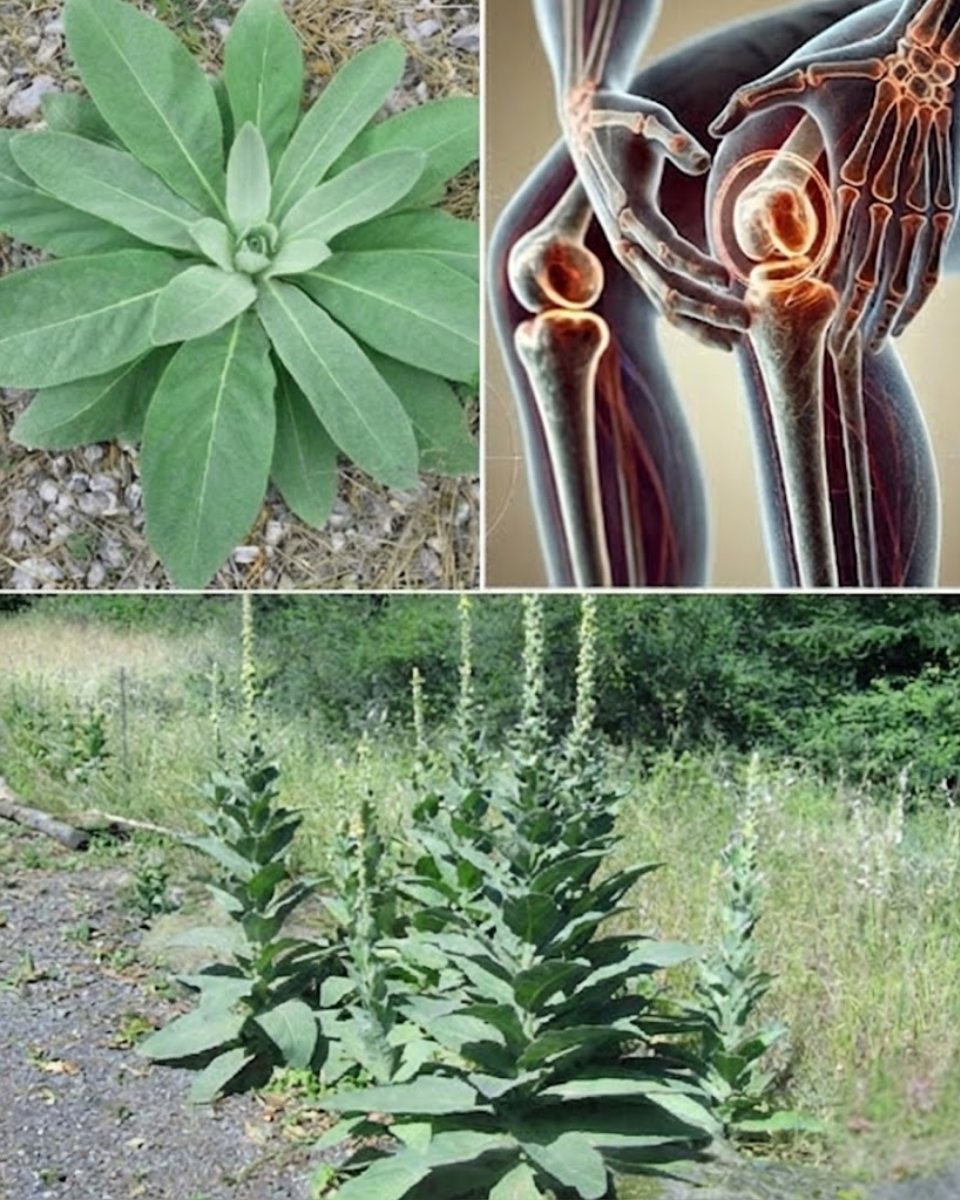
What Mullein Does Inside the Body
Mullein leaves and flowers contain natural compounds that support:
- Inflammation balance
- Tissue soothing and repair
- Circulation support
- Antioxidant protection
Key active compounds include:
- Flavonoids
- Saponins
- Mucilage
- Phenolic compounds
These work together to create a calming, protective effect inside the body.
Simple Ways to Use Mullein for Joint Support
1. Mullein Tea (Internal Support)
Ingredients:
- 1–2 teaspoons dried mullein leaves
- 1 cup hot water
Steps:
- Add mullein leaves to hot water
- Steep for 10–15 minutes
- Strain carefully (leaves can be fuzzy)
- Drink once or twice daily
👉 This supports inflammation from the inside
2. Mullein Oil (External Use)
Ingredients:
- Fresh or dried mullein leaves
- Olive oil
Steps:
- Fill a jar with mullein leaves
- Cover completely with oil
- Let sit for 2–3 weeks
- Strain and store
👉 Apply gently to sore joints
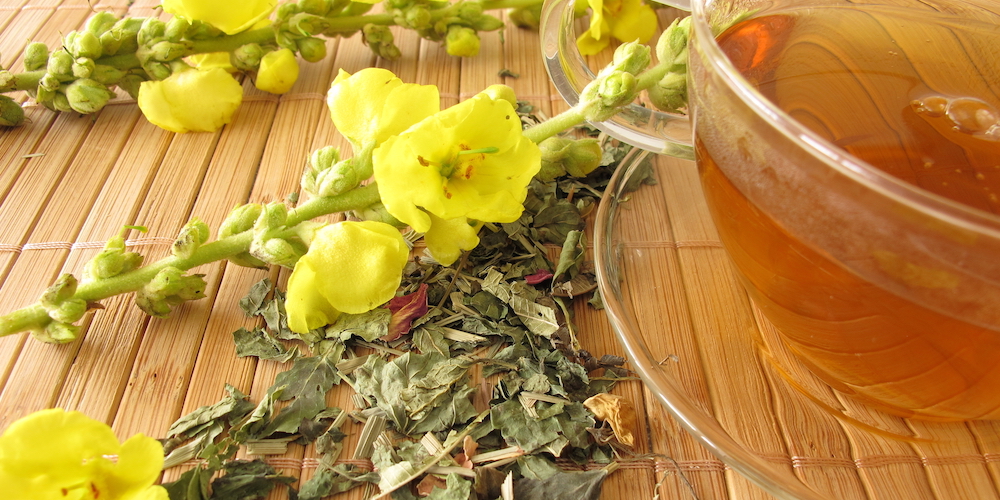
Why It Works (Simple Explanation)
1. Anti-Inflammatory Effects
Mullein contains plant compounds that help calm inflammatory responses, which are often behind joint pain and stiffness.
2. Mucilage for Tissue Protection
The mucilage in mullein creates a soothing layer that may help protect irritated tissues and reduce discomfort.
3. Antioxidant Support
Antioxidants help reduce oxidative stress, which is linked to joint degeneration and chronic inflammation.
4. Improved Circulation
Traditional use suggests mullein supports blood flow, helping deliver nutrients to affected areas.
Who May Benefit Most
This remedy may be helpful for:
- People with mild joint pain or stiffness
- Those experiencing age-related discomfort
- Individuals with inflammation from overuse
- People looking for gentle, plant-based support
When You May Notice Changes
- First few days: Mild soothing effect
- 1–2 weeks: Reduced stiffness (with consistent use)
- 3+ weeks: Better overall joint comfort
Safety Notes
- Always strain tea well to avoid throat irritation
- Avoid if allergic to similar plants
- Not a replacement for treatment of:
- Arthritis flare-ups
- Severe joint injury
Consult a professional if symptoms persist.
Final Takeaway
Mullein is not a quick fix—but it offers steady, gentle support.
It works by:
- Calming inflammation
- Supporting tissue health
- Helping your body restore balance naturally
Sometimes, simple plants provide the most sustainable relief.
Frequently Asked Questions (FAQs)
1. What is mullein traditionally used for?
Mullein has been traditionally used for respiratory support, inflammation relief, and soothing irritated tissues. It is also used in herbal remedies for general wellness.
2. Can mullein help with joint pain?
Mullein may help support joint comfort due to its anti-inflammatory and soothing properties. It is often used as a gentle herbal support rather than a strong pain reliever.
3. How do you make mullein tea?
Add 1–2 teaspoons of dried mullein leaves to hot water, steep for 10–15 minutes, strain well, and drink once or twice daily.
4. Can mullein be applied to the skin?
Yes, mullein-infused oil is traditionally applied to sore joints or irritated areas to help soothe discomfort.
5. How long does it take to work?
Some people notice mild relief within a few days, but consistent use for 1–3 weeks may be needed for more noticeable results.
6. Is mullein safe to use daily?
Mullein is generally used in small amounts in traditional practices. However, it’s best to use it moderately and consult a professional if unsure.
7. Who should avoid mullein?
People with allergies to similar plants or those with serious medical conditions should consult a healthcare provider before use.
8. Can this replace medical treatment?
No. Mullein is a supportive herbal remedy and should not replace medical care for serious joint conditions.
Quick Takeaway
Mullein works best as a slow, supportive remedy, helping reduce discomfort naturally over time rather than instantly.