Do you dream of a lush, thriving garden but find yourself limited by space? You’re not alone! Many gardeners face the challenge of maximizing their harvest in compact areas. But what if we told you that your garden has untapped potential, waiting to grow upwards instead of outwards? Welcome to the wonderful world of vertical gardening!
Vertical gardening is a game-changer for small spaces, urban dwellers, and anyone looking to boost their garden’s productivity and beauty. By training plants to grow vertically, you can transform a tiny patio, balcony, or even a small backyard into a vibrant, food-producing oasis. Let’s explore how to unlock your garden’s vertical potential and enjoy a bountiful harvest, no matter the size of your plot!
What is Vertical Gardening?
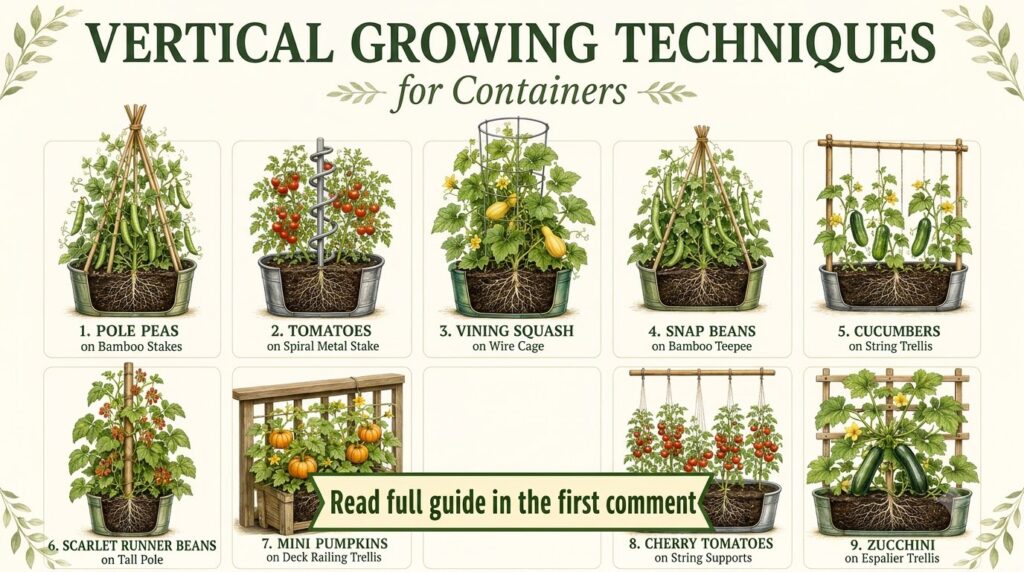
Vertical gardening is exactly what it sounds like: growing plants upwards rather than horizontally across the ground. This technique utilizes vertical space by employing various support structures like trellises, stakes, cages, walls, and tiered planters. It’s an ingenious way to cultivate more plants in a smaller footprint, making gardening accessible to everyone, regardless of their garden size.
The Benefits of Going Vertical
Beyond saving space, vertical gardening offers a host of advantages:
- Maximize Space: The most obvious benefit! You can grow significantly more plants in the same ground area, or even on a balcony or wall.
- Increased Yield: Many plants thrive when grown vertically, receiving better air circulation and sunlight, which can lead to healthier plants and higher yields.
- Easier Harvesting: No more bending and stooping! Fruits and vegetables grown vertically are often at a more comfortable height for harvesting.
- Pest and Disease Control: Improved air circulation reduces the risk of fungal diseases. Keeping plants off the ground can also deter some ground-dwelling pests.
- Aesthetic Appeal: Vertical gardens are beautiful! They can create stunning living walls, add privacy, and enhance the visual appeal of any outdoor (or even indoor) space.
- Weed Suppression: With plants lifted off the ground, there’s less surface area for weeds to compete.
Choosing the Right Plants for Vertical Growth
Not all plants are naturally suited for vertical growth, but many common garden favorites thrive with a little support. Here are some excellent choices:
- Vining Vegetables: Cucumbers, pole beans, peas (especially pole peas), squash (winter and summer varieties like ‘Tromboncino’), and pumpkins can all be trained to climb.
- Tomatoes: Indeterminate tomato varieties are perfect for vertical systems like stakes or cages, as they continue to grow and produce throughout the season.
- Climbing Flowers: Morning glories, sweet peas, climbing roses, clematis, and nasturtiums add beauty and fragrance to vertical structures.
- Leafy Greens & Herbs: While not climbers, many herbs and leafy greens can be grown in vertical planters or living walls.
- Strawberries: These can be grown in vertical towers or hanging pockets, making for easy picking.
Popular Vertical Trellising Techniques
The infographic highlights several fantastic techniques. Let’s delve into some of the most effective methods:
1. Stakes and Poles
Simple and effective for single plants or rows. Bamboo stakes, metal rebar, or sturdy wooden poles can support plants like indeterminate tomatoes, pole beans, and even some peppers. Secure plants loosely with soft ties as they grow.
2. Cages and Obelisks
Wire cages are ideal for tomatoes, providing all-around support without much tying. Obelisks (pyramid-shaped trellises) offer a decorative touch and are great for climbing flowers or smaller vining vegetables like cucumbers.
3. Trellises (Netting, A-Frame, Wall-Mounted)
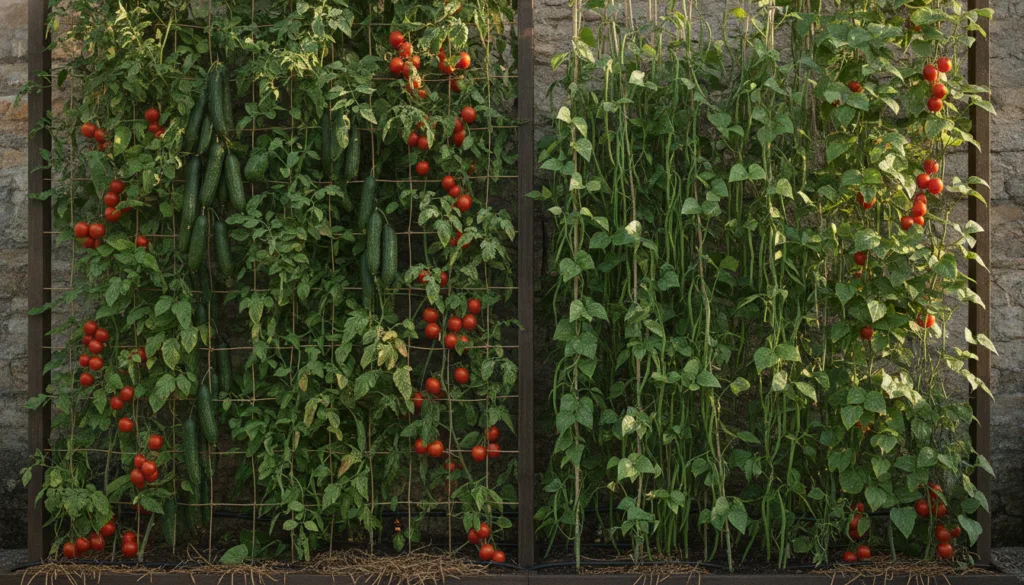
Trellises are versatile and come in many forms. Pea netting or wire mesh can support lighter climbers like peas and cucumbers. A-frame trellises are perfect for creating a living tunnel for squash or pole beans. Wall-mounted trellises can transform an otherwise bare wall into a productive garden space, great for heavier vining plants.
4. Spiral Supports
These metal spirals are fantastic for tomatoes. As the plant grows, you simply weave the stem through the coils, providing continuous support without the need for constant tying.
5. Arbors and Pergolas
For a truly grand statement, arbors and pergolas offer expansive vertical growing opportunities. Imagine grapes, climbing roses, or even kiwi vines creating a beautiful, edible canopy!
Setting Up Your Vertical Garden
Ready to start? Here’s a quick guide:
- Plan Your Space: Assess sunlight, wind, and the available vertical surface.
- Choose Your Plants: Select varieties suitable for vertical growth and your climate.
- Select Support Structures: Based on your plants and aesthetics, choose stakes, trellises, cages, or other systems.
- Prepare the Soil: Use good quality potting mix if container gardening. Ensure adequate drainage.
- Plant & Train: Plant your seedlings or seeds. As they grow, gently guide them onto their support structure. Regular tying (loosely!) may be needed for some plants.
- Water & Feed: Vertical gardens, especially in containers, may dry out faster, so monitor moisture levels.
Care and Maintenance
Vertical gardens generally require similar care to traditional gardens, with a few nuances:
- Watering: Containers dry out quickly, so check soil moisture daily, especially during hot weather. Drip irrigation or self-watering systems can be a lifesaver.
- Feeding: Regular feeding with a balanced liquid fertilizer is often necessary for container-grown plants to replenish nutrients.
- Pruning: Prune as needed to encourage branching, improve air circulation, and manage plant size.
- Pest & Disease Watch: Keep an eye out for any issues, though vertical growth often helps mitigate some problems.
Unlock Your Garden’s Full Potential!
Vertical gardening is more than just a space-saving trick; it’s a creative and efficient way to grow more food and beauty in any setting. Whether you’re a seasoned gardener or just starting, embracing vertical techniques can revolutionize your gardening experience. So, grab your tools, choose your supports, and get ready to watch your garden reach new heights!
Have you tried vertical gardening? Share your tips and favorite climbing plants in the comments below!