Build a Thriving Herb Garden: Transform Old Pallets into Organized Growing Spaces
Imagine stepping out your back door and snipping fresh, aromatic herbs for your meals, right from a beautifully organized garden that cost you next to nothing. Many aspiring gardeners dream of a dedicated herb patch but face challenges like limited space, complex garden bed construction, or simply knowing where to start. What if a simple, often-overlooked item could solve these dilemmas and provide an ingenious solution?
The answer lies in repurposing an old wooden pallet. Far from being just discarded lumber, a pallet can be transformed into an incredibly practical, segmented, and charming herb garden. This method is perfect for small yards, patios, or even balconies, turning a forgotten item into a productive part of your home landscape. With a little care and the right planting choices, you’ll be enjoying homegrown basil, mint, thyme, and more in no time.
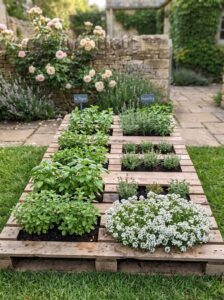
The Ingenuity of Pallet Gardens: Why This DIY Method Works
Utilizing a wooden pallet for an herb garden is a brilliant example of upcycling in action. The natural structure of a pallet, with its sturdy wooden slats and built-in gaps, lends itself perfectly to creating individual planting pockets. These compartments help organize your herbs, prevent aggressive spreaders (like mint) from taking over, and create a visually appealing, multi-textured display. It’s a fantastic way to introduce container gardening to your space without the need for numerous individual pots.
This method offers several benefits:
- Space Efficiency: Ideal for compact areas where traditional garden beds aren’t feasible.
- Organization: Each section can house a different herb, keeping them neatly separated.
- Accessibility: The slightly raised nature can make planting, watering, and harvesting easier.
- Cost-Effective: Repurposing a free or low-cost pallet saves money on planters or raised bed materials.
- Improved Drainage: The gaps between the bottom slats naturally provide good airflow and drainage, crucial for most herbs.
Choosing Your Pallet and Preparing the Site
Before you dive into planting, a little preparation goes a long way in ensuring your pallet herb garden is safe and successful.
Pallet Safety First
Not all pallets are created equal. It’s crucial to select a pallet that is safe for growing edible plants. Look for pallets stamped with an “HT” (Heat Treated) mark. This indicates the wood was treated with heat to prevent pests, not chemicals. Avoid pallets marked with “MB” (Methyl Bromide), as these contain pesticides. Also, steer clear of any pallets that are painted, heavily stained, or have strong chemical odors, as these could leach harmful substances into your soil and herbs.
Site Selection
Most culinary herbs thrive in full sun, meaning at least 6-8 hours of direct sunlight per day. Choose a sunny, level spot in your yard, on your patio, or balcony that receives ample light. Ensure the location is also convenient for watering and harvesting, as you’ll want easy access to your fresh herbs.
Preparing the Pallet
Lay your chosen pallet flat on the ground. The openings between the top slats will be your planting beds. To prevent soil from falling through the larger gaps and to provide a good root base, you’ll need to line the inside of these compartments. You can use durable landscaping fabric, burlap, or even thick plastic sheeting (perforated for drainage). Staple the chosen liner securely to the inside edges of the pallet sections, creating a series of individual pockets. This step is essential for retaining soil and moisture.
Essential Herbs for Your Pallet Garden
The beauty of a pallet garden is its versatility. You can grow a wide variety of herbs, but some are particularly well-suited to this segmented, somewhat shallower planting environment. Here are some top picks:
Basil (Ocimum basilicum)
A quintessential culinary herb, basil loves warmth and sunshine. Its vibrant green leaves are perfect for pesto, salads, and Italian dishes.
- Hardiness: Annual (Zones 2-11)
- Plant Type: Annual herb
- Exposure: Full sun
- Height: 1-2 feet
- Spread: 1-1.5 feet
- Care Tip: Pinch off flower buds as they appear to encourage bushier growth and extend leaf production. Provide consistent moisture.
Thyme (Thymus vulgaris)
A low-growing, drought-tolerant perennial, thyme adds a woody, earthy flavor to roasts, soups, and stews. It’s beautiful cascading over the edge of a pallet section.
- Hardiness: Perennial (Zones 5-9), can be grown as an annual elsewhere.
- Plant Type: Perennial herb, sub-shrub
- Exposure: Full sun
- Height: 6-12 inches
- Spread: 12-18 inches
- Care Tip: Prefers well-drained, even sandy soil. Water sparingly once established. Prune after flowering to maintain shape.
Rosemary (Salvia rosmarinus)
Known for its fragrant, needle-like leaves, rosemary is fantastic with poultry, potatoes, and baked goods. It needs excellent drainage and can grow quite large if not pruned.
- Hardiness: Perennial (Zones 7-10), often grown as an annual or houseplant in colder zones.
- Plant Type: Perennial herb, evergreen shrub
- Exposure: Full sun
- Height: 2-6 feet (can be kept smaller with pruning)
- Spread: 2-4 feet
- Care Tip: Plant in very well-draining soil. Avoid overwatering. Regular pruning helps maintain a manageable size and shape in a pallet garden.
Chives (Allium schoenoprasum)
These oniony perennials produce delicate grass-like leaves and beautiful purple flowers. They’re excellent in salads, eggs, and as a garnish.
- Hardiness: Perennial (Zones 3-10)
- Plant Type: Perennial herb
- Exposure: Full sun to partial shade
- Height: 12-18 inches
- Spread: 12 inches
- Care Tip: Snip leaves from the base of the plant to encourage new growth. Divide clumps every 3-4 years to keep them vigorous.
Parsley (Petroselinum crispum)
A versatile biennial herb, parsley comes in flat-leaf and curly varieties. It’s a powerhouse of flavor and nutrition, enhancing almost any savory dish.
- Hardiness: Biennial (Zones 2-11), typically grown as an annual.
- Plant Type: Biennial herb
- Exposure: Full sun to partial shade
- Height: 1-2 feet
- Spread: 1 foot
- Care Tip: Keep soil consistently moist. Harvest outer stems first to promote continuous growth.
Mint (Mentha spp.)
A vigorous grower, mint’s refreshing leaves are perfect for teas, cocktails, and desserts. The confined space of a pallet section is ideal for containing its rampant spread.
- Hardiness: Perennial (Zones 3-11)
- Plant Type: Perennial herb
- Exposure: Full sun to partial shade
- Height: 1-2 feet
- Spread: Spreading (can be invasive in open ground)
- Care Tip: Water regularly to keep the soil consistently moist. Harvest frequently to encourage new growth and prevent flowering, which can diminish flavor. The pallet sections are perfect for naturally root-pruning mint.
Oregano (Origanum vulgare)
A hardy perennial with a robust, earthy flavor, oregano is a staple in Mediterranean cuisine. It’s relatively low-maintenance and spreads well.
- Hardiness: Perennial (Zones 4-10)
- Plant Type: Perennial herb
- Exposure: Full sun
- Height: 1-2 feet
- Spread: 1-2 feet (spreading)
- Care Tip: Prune back by about a third after flowering to encourage fresh growth and prevent woodiness. Prefers well-drained soil.
Cilantro (Coriandrum sativum)
Known for its distinctive, bright flavor, cilantro is a favorite in Mexican, Asian, and Indian dishes. It’s an annual that can be a bit finicky in hot weather.
- Hardiness: Annual (Zones 2-11)
- Plant Type: Annual herb
- Exposure: Full sun to partial shade (prefers some afternoon shade in hot climates)
- Height: 1-2 feet
- Spread: 6-12 inches
- Care Tip: Plant in cool weather (spring or fall). To prevent ‘bolting’ (going to seed) in warm weather, provide some afternoon shade and keep the soil consistently moist. Succession sow every 2-3 weeks for a continuous harvest.
Planting and Ongoing Care for Your Pallet Herb Garden
With your pallet prepped and your herbs chosen, it’s time to get planting!
Planting Your Herbs
Fill each lined section of your pallet with a high-quality potting mix. A good potting mix provides excellent drainage while retaining enough moisture for healthy root development. Leave about an inch of space from the top of the pallet to prevent soil overflow when watering. Gently place your herb plants into the soil, ensuring the top of the root ball is level with the surrounding soil. Space plants according to their mature size, giving them room to grow without crowding within their section. Water thoroughly after planting.
Watering Wisdom
Because pallet sections are essentially shallow containers, they can dry out faster than in-ground beds. Check the soil moisture daily, especially during hot, sunny weather. Stick your finger an inch or two into the soil; if it feels dry, it’s time to water. Water deeply until you see water draining from the bottom of the pallet, ensuring roots get adequate hydration.
Feeding Your Herbs
Herbs generally don’t require heavy feeding. The initial potting mix should provide enough nutrients for several weeks. After that, a diluted, balanced liquid organic fertilizer applied every 4-6 weeks during the growing season is usually sufficient. Avoid over-fertilizing, as this can lead to lush foliage with less concentrated flavor.
Harvesting for Health and Flavor
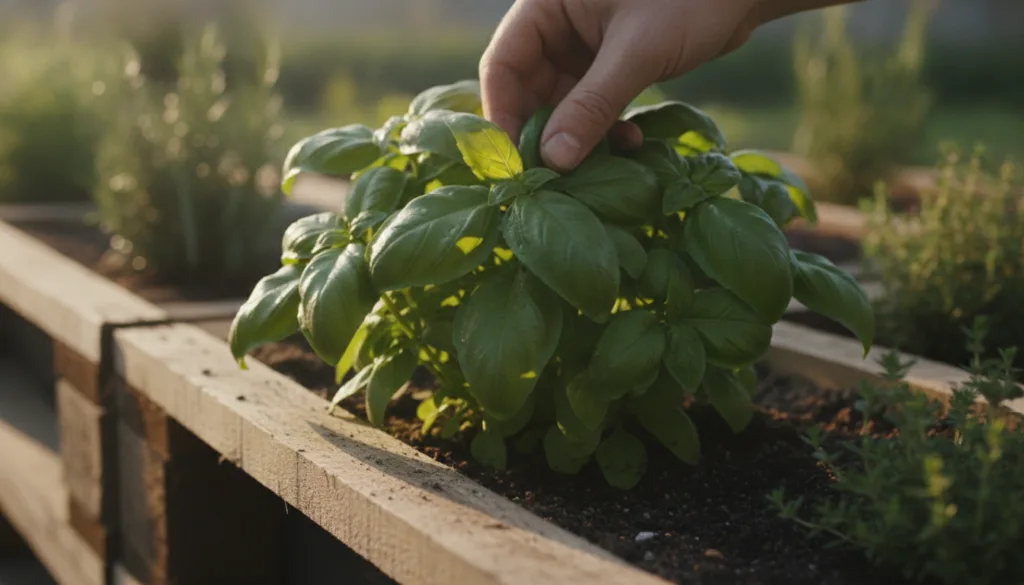
The more you harvest many herbs, the more they produce! For leafy herbs like basil, parsley, and cilantro, pinch or snip off the outer leaves or stems. For woody herbs like rosemary, thyme, and oregano, snip off the newer, softer growth. Avoid removing more than one-third of the plant at any one time to allow it to recover and continue growing. Harvest in the morning after the dew has dried for the best flavor.
Seasonal Care and Winter Prep
For perennial herbs (like thyme, rosemary, mint, oregano, chives) in zones where they are hardy, you might be able to overwinter them in your pallet. Mulch around the base of the plants with straw or leaves to protect roots from deep freezes. In colder climates or for annual herbs, you may need to replant each spring, bring the entire pallet indoors to a sunny window, or transplant individual plants into pots to overwinter indoors.
Common Mistakes to Avoid
- Using Unsafe Pallets: Always verify your pallet is heat-treated (HT) and not chemically treated (MB) or painted.
- Poor Drainage: Ensure your pallet sections are lined correctly and have adequate drainage holes (if using plastic liner). Herbs hate ‘wet feet’.
- Insufficient Sunlight: Most culinary herbs need full sun. A shaded pallet garden will result in leggy, less flavorful plants.
- Overcrowding: While the pallet creates compartments, still give each plant enough room to grow to its mature size within its section for good air circulation and plant health.
- Neglecting Watering: Pallet gardens dry out quicker. Establish a consistent watering routine and check soil moisture daily.
Beyond the Basics: Expanding Your Pallet Garden Potential
Once you’ve mastered your basic pallet herb garden, consider stacking two pallets for deeper planting pockets, or adding small trellises for climbing plants like nasturtiums or even small bush beans (if the pallet is sturdy enough). You can also paint the exterior of your pallet with non-toxic, outdoor-safe paint to add a pop of color, making it an even more attractive feature in your garden.
Cultivating Connection: A Rewarding Journey
Transforming an old pallet into a vibrant herb garden is more than just a DIY project; it’s an invitation to connect with your food, save money, and add beauty to your surroundings. With each snip of fresh basil or sprig of rosemary, you’ll feel the satisfaction of growing your own, enhancing your meals, and embracing sustainable gardening practices. Get started today, and watch your pallet garden flourish, bringing flavor and fragrance right to your doorstep.