Most people associate garlic with adding flavor to their favorite dishes, but this pungent bulb holds a secret history in traditional remedies. When it comes to soothing ear discomfort, one simple preparation often gets overlooked by modern approaches: a homemade garlic oil infusion. This isn’t about popping a raw clove in your ear (a common and unhelpful mistake), but rather a gentle, time-honored method to harness garlic’s properties.

What It Is: Homemade Garlic Oil
Garlic oil for ear discomfort is essentially an herbal infusion where garlic’s compounds are gently extracted into a carrier oil. This preparation is traditionally used topically around and just inside the outer ear canal, offering a mild, soothing effect. The key is gentle preparation, ensuring the active compounds are preserved without harsh heat that can degrade them or make the oil irritating.
Ingredients You’ll Need
The beauty of this remedy lies in its simplicity. You only need two core ingredients:
- Fresh Garlic Cloves: Opt for organic, fresh garlic whenever possible. Avoid pre-peeled or old, sprouting cloves as their potency may be diminished.
- Carrier Oil: A high-quality, cold-pressed oil is essential. Olive oil is a traditional choice due to its availability and mild properties, but others like almond oil or jojoba oil can also be used.
Approximate Measurements
- 2-3 medium-sized fresh garlic cloves
- 1/4 cup (about 60ml) carrier oil (e.g., olive oil)
Formula & Recipe: Infusing Your Garlic Oil
There are two primary methods for infusing garlic oil: a slow, gentle heat infusion or a sun infusion. Both aim to slowly draw out the garlic’s beneficial compounds without cooking them.
Step-by-Step Method (Gentle Heat Infusion)
- Prepare the Garlic: Peel the garlic cloves. Lightly crush them using the flat side of a knife or a mortar and pestle. You want to bruise them slightly to release their compounds, but avoid mincing them finely, which can lead to a stronger, potentially irritating oil.
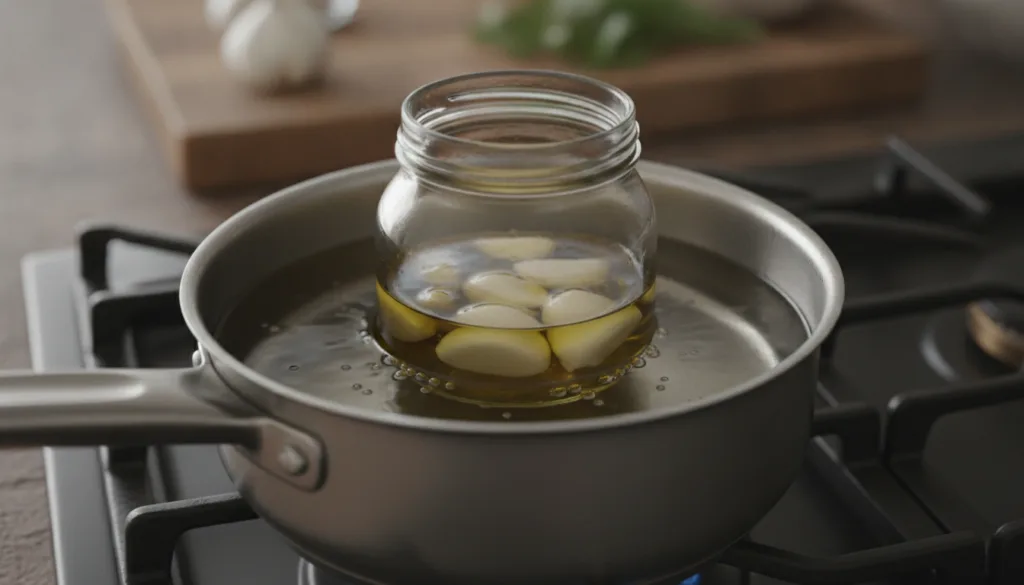
- Combine Ingredients: Place the crushed garlic cloves into a small, heat-proof glass jar or a clean, small saucepan. Pour the carrier oil over the garlic, ensuring the cloves are fully submerged.
- Gentle Heat: For a gentle heat infusion, place the jar or saucepan into a larger pot of water, creating a double boiler. Heat the water over low heat. The goal is to warm the oil, not fry the garlic. Keep the temperature very low (ideally below 120°F or 49°C) for 20-30 minutes. You should see tiny bubbles, but no vigorous boiling.
- Cool and Steep: Remove the pot from the heat and let the oil cool completely with the garlic still in it. Allow it to steep for another 1-2 hours, or even overnight, to maximize infusion.
- Strain the Oil: Once cooled and steeped, strain the oil through a fine-mesh sieve lined with cheesecloth into a clean, sterile glass dropper bottle. Squeeze out as much oil as possible from the garlic. Discard the spent garlic solids.
Quick Tip: Sun Infusion Method
If you prefer not to use heat, you can also do a sun infusion. Combine the crushed garlic and oil in a clean, sealed glass jar. Place it in a sunny spot for 1-2 weeks, shaking daily. Strain after the infusion period.
Best Time to Use It
Garlic oil can be used whenever ear discomfort arises. Many find it particularly soothing before bedtime or during times of seasonal changes.
How to Use Your Homemade Garlic Oil
Once your garlic oil is prepared, using it correctly is crucial for safety and efficacy.
- Warm Gently (Optional): If the oil is cold, gently warm the dropper bottle by holding it in your hands or placing it in a cup of warm (not hot) water for a few minutes. Test the temperature on your wrist to ensure it’s comfortably warm, not hot.
- Lie Down: Lie on your side with the affected ear facing upwards.
- Administer: Using a clean dropper, place 2-3 drops of the warm garlic oil into the outer ear canal. Do not insert the dropper deep into the ear.
- Rest: Remain lying down for 5-10 minutes to allow the oil to penetrate. You can place a cotton ball loosely in the outer ear to prevent leakage.
- Repeat: Repeat with the other ear if necessary.
How Often to Use
For temporary ear discomfort, you can typically use garlic oil 2-3 times per day. Continue for a few days until symptoms subside. If discomfort persists or worsens, consult a healthcare professional immediately.
How to Buy / How to Choose Ingredients
- Garlic: Look for firm, plump garlic heads without sprouts or soft spots. Organic is preferred to avoid pesticides.
- Carrier Oil: Choose cold-pressed, extra virgin olive oil for its quality and purity. Ensure it’s fresh and not rancid.
Did You Know?
Garlic has been valued for its properties in various traditional health practices around the world for thousands of years, far beyond just its culinary appeal.
Storage
Proper storage is vital to prevent spoilage and maintain the oil’s efficacy:
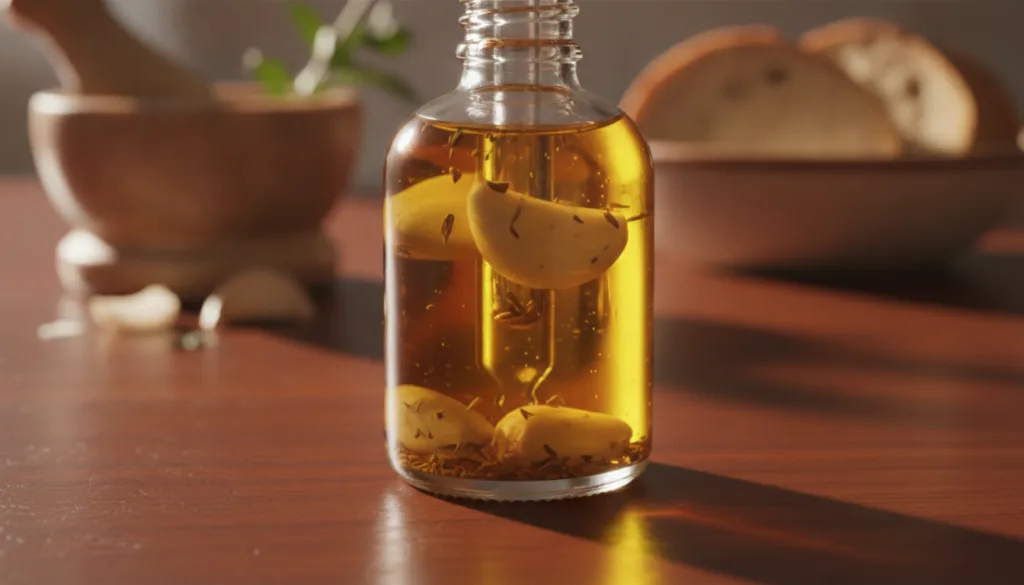
- Store your homemade garlic oil in a clean, airtight, dark glass dropper bottle in a cool, dark place (like a cupboard).
- Refrigeration is optional but can extend shelf life slightly.
- Use within 1-2 weeks. Due to the presence of fresh garlic, there’s a risk of bacterial growth, particularly Clostridium botulinum, if not stored properly. Never use oil that smells off, looks cloudy, or shows any signs of spoilage.
Practical Tips
- Always Test Temperature: Before applying, always test a drop of warmed oil on your wrist to ensure it’s not too hot.
- Cleanliness is Key: Ensure all equipment (jars, droppers, hands) are scrupulously clean and sterilized to prevent contamination.
- Do Not Overfill: Only put 2-3 drops in the ear; overfilling can cause discomfort or trap moisture.
Common Mistakes
- Using Raw Garlic Directly in the Ear: Never insert a whole or crushed raw garlic clove directly into the ear canal. This can cause irritation, injury, or get stuck.
- Boiling the Oil: High heat destroys delicate compounds in garlic and can make the oil too hot and irritating. Always use very low, gentle heat.
- Improper Straining: Not properly straining out all garlic solids can lead to spoilage and potential irritation.
- Ignoring Expiration: Using old or improperly stored garlic oil increases the risk of bacterial contamination.
- Applying to a Perforated Eardrum: This is a critical mistake. If you suspect an eardrum perforation, do NOT put anything in your ear.
Cautions / Who Should Avoid It
While often considered gentle, garlic oil is not suitable for everyone or every situation:
- Perforated Eardrum: Absolutely do NOT use any drops in the ear if you have a perforated eardrum or suspect one. This can introduce infection or cause further damage. Signs might include sharp pain, fluid drainage, or hearing loss.
- Allergies: If you are allergic to garlic, do not use this remedy.
- Infants and Young Children: Always consult a pediatrician before using any home remedies for ear discomfort in infants or young children.
- Persistent or Severe Pain: Ear discomfort, especially if accompanied by fever, severe pain, or discharge, could indicate an infection or serious condition. Always seek medical advice from a doctor. This remedy is for mild, temporary discomfort and not a substitute for professional medical care.
Quick Summary: Your Garlic Oil Remedy Guide
- Best Preparation: Gentle heat infusion or sun infusion for garlic oil.
- Best Use-Case: For mild, temporary ear discomfort, applied topically around the outer ear canal.
- Storage: Airtight, dark glass bottle in a cool, dark place for 1-2 weeks.
- When to Use: 2-3 drops, 2-3 times daily, for temporary relief.
- What to Avoid: Direct raw garlic, hot oil, prolonged use, and use with perforated eardrums.
Comparison: Carrier Oils for Garlic Infusion
| Carrier Oil Type | Key Characteristics | Best For |
|---|---|---|
| Olive Oil (Extra Virgin) | Widely available, mild, nourishing | General use, traditional remedy |
| Sweet Almond Oil | Light, gentle, good for sensitive skin | Sensitive individuals |
| Jojoba Oil | Mimics skin’s natural oils, non-comedogenic | Less common, good stability |
FAQ: Common Questions About Garlic Oil for Ear Discomfort
Got more questions? Here are some common inquiries about this traditional remedy.
- Can I use fresh or dried garlic? Always use fresh garlic for this remedy. Dried garlic doesn’t have the same potency or moisture content for infusion.
- How long does homemade garlic oil last? Due to the risk of bacterial growth, homemade garlic oil should be used within 1-2 weeks, even if refrigerated.
- Can I refrigerate it? Yes, refrigerating your garlic oil can slightly extend its shelf life, but always discard if you notice any changes in smell or appearance.
- How often should I use it? For temporary discomfort, 2-3 drops, 2-3 times a day is a common recommendation. Discontinue if symptoms worsen.
- Can I reuse the garlic cloves? No, discard the garlic cloves immediately after straining the oil. They are spent and can spoil quickly.
- What part of the garlic is best? The inner cloves of a fresh, firm garlic bulb are best.
- When should I avoid using garlic oil? Avoid if you have a perforated eardrum, severe pain, fever, discharge, or any known allergy to garlic. Always consult a doctor for persistent symptoms.
You may also like: Read more about other natural remedies for minor discomforts.
Conclusion
Harnessing the power of garlic for ear discomfort is a time-honored tradition, but like all remedies, it requires careful preparation and an understanding of its limitations. By following this guide to creating your own homemade garlic oil, you can create a simple, gentle topical application for temporary soothing. Remember, this is a complementary approach, and persistent or severe symptoms always warrant a visit to your doctor.
Continue with: See the full guide on herbal infusions for everyday well-being.