Cultivating Your Dream Veggie Patch: Design, Care, and Abundant Harvests
Many gardeners dream of a vegetable patch that’s not just a source of fresh produce, but also a beautiful, organized, and inviting space. The good news is, transforming a functional garden into a picture-perfect haven doesn’t require a massive budget or complex landscaping skills. With thoughtful design choices, such as incorporating raised beds and clear pathways, you can create a highly productive garden that also brings immense joy and visual appeal. This guide will walk you through the practical steps and creative ideas to cultivate a vibrant, efficient, and stunning vegetable garden that truly feels like your own secret haven.
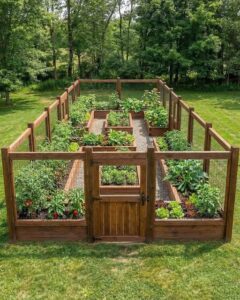
The Foundation of an Ideal Veggie Patch: Design with Purpose
A successful and aesthetically pleasing vegetable garden begins with a clear vision and smart design. Rather than just planting rows in the ground, consider how the space will function, how you’ll move through it, and what visual elements will enhance its beauty. Integrating structural elements like raised beds and well-defined paths can significantly improve both the productivity and the enjoyment of your garden.
The Advantages of Raised Beds
Raised beds are game-changers for home gardeners, offering numerous benefits that contribute to both garden health and gardener comfort. They are essentially bottomless frames, typically 6-24 inches high, filled with high-quality soil.
- Improved Soil Quality: You get to choose your soil! Fill raised beds with a custom blend of compost, topsoil, and organic matter, ensuring excellent drainage and fertility from day one. This avoids heavy, compacted native soil and provides an ideal environment for roots.
- Better Drainage: Raised beds naturally drain better than in-ground gardens, preventing waterlogging and promoting healthier root systems, especially in areas with clay soils.
- Extended Growing Season: The soil in raised beds warms up faster in spring, allowing for earlier planting. In fall, it stays warmer longer, extending your harvest.
- Reduced Pests & Weeds: The contained environment makes it easier to manage weeds, and the height can deter some ground-level pests.
- Ergonomic Gardening: Tending to plants in raised beds means less bending and kneeling, making gardening more accessible and comfortable, especially for those with physical limitations.
- Aesthetic Appeal: Clean, defined edges create a neat, organized look that instantly elevates the garden’s beauty.
Building Your Beds: Most raised beds are constructed from untreated lumber (like cedar or redwood for longevity), stone, or composite materials. Ensure your chosen material is food-safe if you’re growing edibles. Common dimensions are 4×8 feet or 4×4 feet, allowing you to reach the center easily without stepping on the soil, which helps prevent compaction.
Creating Clear Pathways with Gravel
Just as important as your planting areas are the spaces you use to navigate them. Gravel paths are an excellent choice for a productive and attractive vegetable garden.
- Functionality: Gravel provides a stable, mud-free surface for walking, even after rain. It defines sections of your garden, making access to plants easier and reducing soil compaction within your beds.
- Drainage: Gravel allows water to percolate through, preventing puddles and erosion.
- Weed Suppression: When installed with a weed barrier fabric underneath, gravel paths can significantly reduce weed growth in walkways.
- Aesthetics: The clean lines and texture of gravel create a sophisticated, polished look that contrasts beautifully with the lush greenery of your plants. Light-colored gravel also reflects some light, which can be beneficial to surrounding plants.
- Low Maintenance: Once installed, gravel paths require minimal upkeep, primarily occasional raking and replenishing.
Installation Tip: Excavate the path area a few inches deep, lay down landscape fabric to prevent weeds, and then add a layer of crushed gravel. Edging materials like wood, brick, or metal can help keep the gravel contained and create crisp, tidy lines.
Selecting Plants for Beauty and Bounty
With your raised beds and paths in place, it’s time for the fun part: planting! The key to a picture-perfect and productive veggie patch is strategic plant selection and thoughtful arrangement.
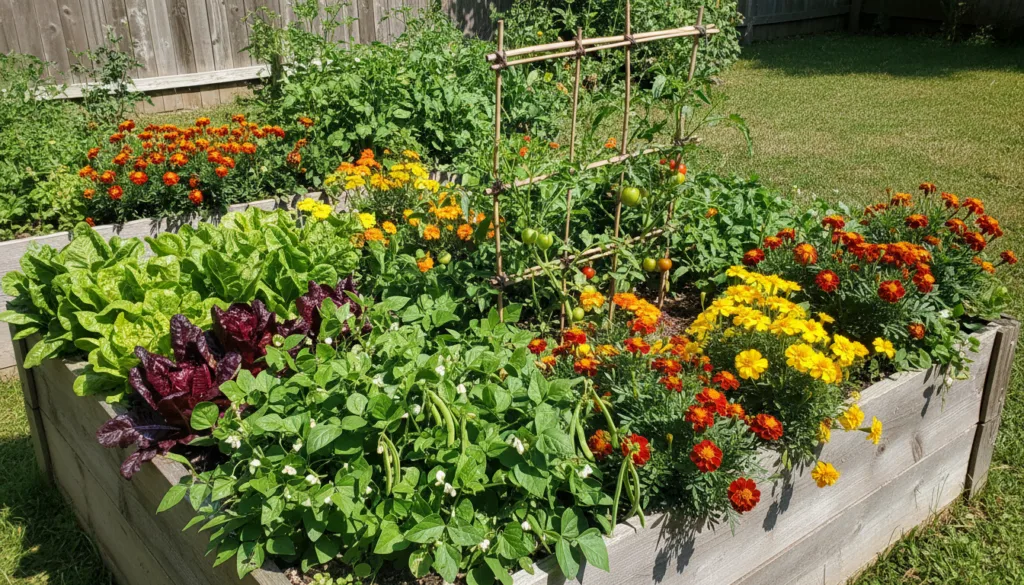
Strategic Planting for Visual Appeal and Yield
Think beyond simple rows. Consider plant heights, textures, and colors to create a visually dynamic garden that also maximizes your harvest.
- Leafy Greens (Lettuce, Spinach, Arugula):
- Hardiness: Annual (often grown spring/fall), but can be short-lived perennials in mild zones (USDA 8-10).
- Exposure: Full sun to partial shade (especially in warmer climates).
- Spacing: 6-12 inches apart for full heads, or closer for cut-and-come-again harvesting.
- Tip: Succession sow every 2-3 weeks for a continuous harvest.
- Bush Vegetables (Peppers, Eggplants, Bush Beans):
- Hardiness: Tender perennials grown as annuals in most regions (USDA 9-11 for true perennials).
- Exposure: Full sun (at least 6-8 hours direct light).
- Spacing: 18-24 inches apart.
- Tip: For bush beans, sow seeds every 2-3 weeks until mid-summer for ongoing production.
- Trellised Crops (Tomatoes, Cucumbers, Pole Beans):
- Hardiness: Tender perennials grown as annuals.
- Exposure: Full sun (8+ hours is ideal for fruit production).
- Support: Crucial for vigorous growth and disease prevention. Use stakes, cages, or trellises right at planting.
- Tip: Prune tomato suckers (new shoots in the crotch of a leaf and main stem) for better air circulation and fruit production.
- Herbs (Basil, Rosemary, Thyme):
- Hardiness: Varies greatly. Basil is an annual; rosemary (USDA 7-10) and thyme (USDA 5-9) are perennials.
- Exposure: Most prefer full sun.
- Value: Adds aromatic beauty, culinary delight, and can attract beneficial insects.
- Tip: Pinch back basil regularly to encourage bushier growth and prevent premature flowering.
- Companion Flowers (Marigolds, Nasturtiums, Zinnias):
- Hardiness: Mostly annuals.
- Exposure: Full sun.
- Value: Attracts pollinators, deters certain pests, and adds bursts of color.
- Tip: Plant marigolds near tomatoes and peppers to help deter nematodes and other pests. Nasturtiums can act as a trap crop for aphids.
Essential Care for a Thriving Garden
Even the most beautifully designed garden needs consistent care to flourish. Good plant care ensures healthy growth and abundant yields.
Sunlight and Watering
Most vegetables need at least 6-8 hours of direct sunlight per day. Observe your garden throughout the day to confirm adequate sun exposure. When it comes to watering, raised beds can dry out faster than in-ground gardens, so monitor soil moisture closely.
- Watering Guide: Aim for deep, infrequent watering rather than shallow, frequent sprinkles. Stick your finger about an inch or two into the soil; if it feels dry, it’s time to water. Drip irrigation or soaker hoses are excellent for raised beds as they deliver water directly to the root zone, minimizing evaporation and fungal diseases on foliage.
- Moisture Check: If the top inch or two of soil is dry, it’s generally time to water. Young seedlings, fruiting plants, and hot weather all increase water demand.
Soil Health and Nutrients
The soil in your raised beds is your plants’ pantry. Replenish nutrients annually by adding a fresh layer of compost (1-2 inches) each spring. You might also incorporate a balanced organic fertilizer based on your plants’ needs. Healthy soil teems with beneficial microorganisms, making your garden more resilient.
Pest and Disease Management
A diverse garden with companion planting can naturally reduce pest issues. Regularly inspect your plants for early signs of pests or diseases.
- Early Detection: Look for chewed leaves, discolored spots, or unusual growths.
- Organic Solutions: Many common pests can be managed with organic sprays like neem oil or insecticidal soap. Hand-picking larger pests like hornworms is also effective. Ensure good air circulation and avoid overhead watering to prevent many fungal diseases.
Regional and Seasonal Considerations
Gardening is highly dependent on your local climate. While raised beds and gravel paths are beneficial everywhere, planting times and specific plant choices will vary.
- Zones 3-5 (Cold Climates): Focus on cold-hardy varieties and maximize your shorter growing season. Starting seeds indoors early is crucial. Utilize row covers to protect plants from late frosts and extend the season into fall.
- Zones 6-8 (Temperate Climates): Enjoy a longer growing season with distinct spring, summer, and fall crops. Succession planting is highly effective here. Pay attention to your last and first frost dates.
- Zones 9-11 (Warm Climates): Many plants can be grown year-round, but summer heat can be intense. Provide afternoon shade for heat-sensitive plants like lettuce, and focus on heat-tolerant varieties for summer. Winter is often the primary growing season for many greens.
Always consult your local USDA Extension Office or reliable regional gardening resources for specific planting calendars and recommended varieties for your area. They can provide invaluable advice tailored to your microclimate, rainfall patterns, and unique challenges.
Common Mistakes to Avoid
Even experienced gardeners make mistakes. Here are a few to steer clear of when cultivating your dream veggie patch:
- Overcrowding: It’s tempting to plant too many things, but insufficient spacing leads to poor air circulation, increased disease risk, and reduced yields. Always follow recommended spacing.
- Ignoring Soil Health: Neglecting to amend your soil annually will deplete nutrients over time. Healthy soil is the bedrock of a healthy garden.
- Inconsistent Watering: Both overwatering and underwatering stress plants. Develop a consistent watering routine based on soil moisture, weather, and plant needs.
- Planting in the Wrong Spot: Pay attention to sunlight. Don’t put sun-loving plants in shade or vice-versa.
- Forgetting to Harvest: Many vegetables, like beans, squash, and leafy greens, produce more when harvested frequently. Regular harvesting encourages the plant to produce more.
Cultivate Your Garden, Cultivate Your Joy
Creating a productive and beautiful vegetable garden is a journey of continuous learning and immense reward. By thoughtfully incorporating raised beds and gravel paths, choosing plants that thrive in your climate, and practicing consistent care, you’re not just growing food; you’re crafting a personal sanctuary. Each harvest becomes a testament to your efforts, and every moment spent among the thriving greens and vibrant blooms deepens your connection to the natural world. Step by step, you can transform your outdoor space into the dream veggie patch you’ve always envisioned, reaping both delicious produce and profound satisfaction.