Ever looked at your home and felt like something was missing? Perhaps it’s functional, but lacks that inviting sparkle, that welcoming embrace for guests and residents alike. Many homeowners believe a significant architectural overhaul is the only way to transform a plain facade into a dream home. However, the true magic often lies just beneath our feet and around our windows: thoughtful landscaping. Strategic planting beds, gracefully winding paths, and well-placed outdoor lighting aren’t mere afterthoughts; they are powerful design tools that can completely redefine your home’s character and curb appeal.
This guide will walk you through how intentional outdoor design can elevate your property, creating an inviting entrance and a harmonious connection between your home and its surroundings. You’ll learn practical gardening tips to enhance your space, making your home feel more established, elegant, and truly your own.
The Core Principle: Integration and Layering
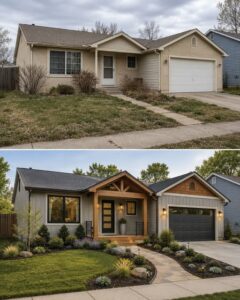
The secret to a stunning landscape is not just adding plants, but integrating them seamlessly with your home’s architecture and creating visual layers. A well-designed landscape extends your living space outdoors, drawing the eye and welcoming visitors. It’s about creating a sense of depth, texture, and seasonal interest that evolves throughout the year.
Think of your home’s exterior as a canvas. Landscaping provides the frames, the soft edges, and the vibrant details that bring the picture to life. By considering elements like pathways, planting beds, and lighting as integral parts of the design, you can achieve a cohesive look that feels both natural and sophisticated.
Designing with Pathways: Guiding the Journey
A pathway isn’t just a way to get from point A to point B; it’s a critical element that dictates the flow and mood of your garden. The direct, straight sidewalk often found in older homes is functional but lacks charm. Introducing a gently winding path immediately softens the landscape and invites exploration.
Choosing Your Path Materials
Consider materials that complement your home’s style. Pavers, flagstone, brick, or even compacted gravel can create distinct looks. For a ‘modern Craftsman’ feel, natural stone or pavers with a subtle texture can be ideal. Ensure the path is wide enough for comfortable passage, typically 3 to 4 feet for a main entry path, and consider incorporating a subtle curve to add visual interest and a sense of journey.
Laying the Foundation for Success
Proper path installation is crucial for longevity and drainage. A solid sub-base of compacted gravel, along with edging, will prevent shifting and weed infiltration. Always ensure a slight slope away from the house to direct rainwater effectively.
Planting Beds: The Heart of Your Landscape
Planting beds are where your landscape truly comes alive, offering opportunities for color, texture, and year-round beauty. Moving beyond a few isolated foundation shrubs, creating deep, layered planting beds brings richness and depth.
Structuring Your Beds
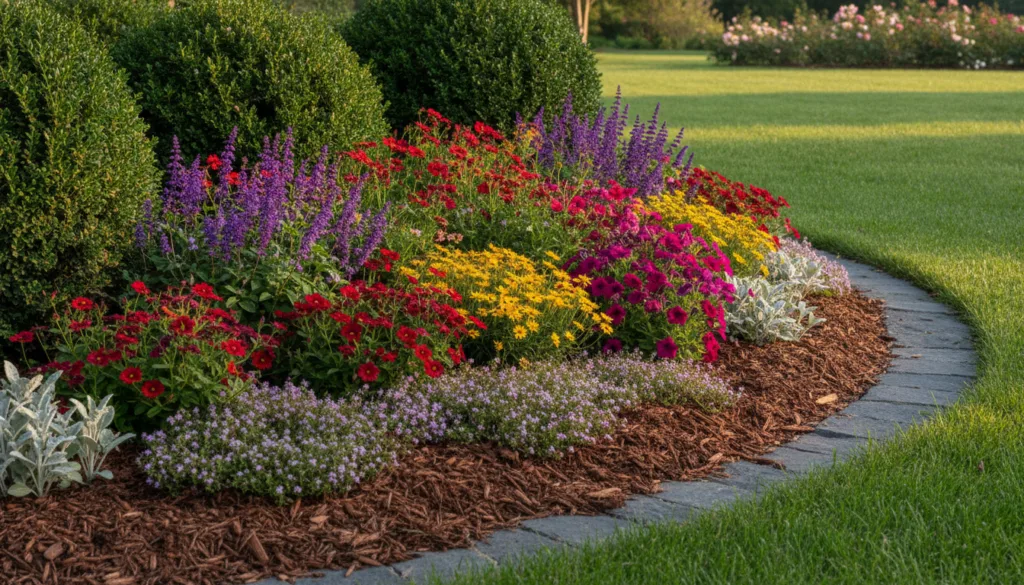
Define your planting beds with clean, crisp edges using natural stone, metal edging, or even just a well-maintained spade cut. This creates a clear boundary between lawn and garden, giving a manicured appearance. Aim for beds that are deep enough to accommodate multiple layers of plants – at least 4-6 feet deep in key areas – allowing for visual interest and healthier plant growth.
Selecting Your Plant Palette
When choosing plants, think about their mature height, spread, and form, as well as their seasonal interest. A mix of evergreen shrubs provides structure throughout the year, while deciduous shrubs and perennials offer changing colors and textures.
- Evergreen Shrubs: Essential for year-round structure and visual weight. Examples include Boxwood (Buxus sempervirens), Dwarf Hinoki Cypress (Chamaecyparis obtusa ‘Nana Gracilis’), or various Holly cultivars (Ilex crenata). Choose varieties suited for your USDA hardiness zone (typically 4-9 for boxwood, 5-8 for Hinoki Cypress).
- Flowering Perennials: Add pops of color and attract pollinators. Coneflowers (Echinacea purpurea), Hostas (Hosta spp., for shade), or Daylilies (Hemerocallis spp.) are reliable choices for many zones (3-9).
- Groundcovers: Help suppress weeds, retain soil moisture, and provide a finished look. Creeping Jenny (Lysimachia nummularia) or Sedum (Sedum spp.) are excellent choices for sunny spots, while Vinca (Vinca minor) thrives in shade.
Sunlight and Soil: Always match plants to your site’s conditions. Most ornamental shrubs and flowering perennials prefer at least 6 hours of direct sunlight. Ensure your soil is well-draining, rich in organic matter. A soil test can guide amendments, but generally, incorporating compost before planting will benefit most garden plants.
Watering: Newly planted items require consistent moisture. Water deeply and regularly until established. Once established, most shrubs and perennials benefit from less frequent but thorough watering, encouraging deep root growth. Mulching helps retain soil moisture and regulate temperature.
Spacing and Pruning: Give plants enough room to reach their mature size to ensure good air circulation and prevent overcrowding. Prune for shape, to remove dead or diseased wood, and to encourage denser growth. Most evergreen shrubs benefit from light, annual shaping, while perennials are often cut back in late fall or early spring.
Illuminating Your Landscape: The Power of Outdoor Lighting
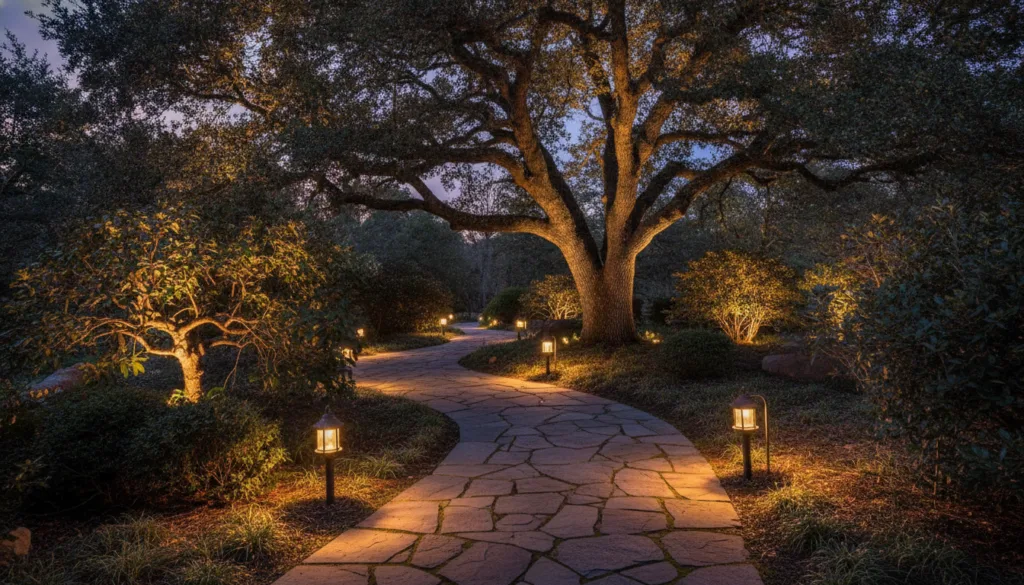
Outdoor lighting isn’t just for safety; it transforms your garden into a magical space after dusk, highlighting architectural features, pathways, and specimen plants. It creates warmth, ambiance, and extends the enjoyment of your outdoor areas.
Types of Landscape Lighting
- Path Lights: Positioned along walkways, they guide visitors safely and add a soft glow. Space them to create overlapping pools of light without harsh glare.
- Accent Lights (Spotlights/Uplights): Used to highlight specific features like a stately tree, a textured wall, or a focal point shrub.
- Deck/Step Lights: Essential for safety on stairs and changes in elevation.
- Washing Lights: Broad beams used to illuminate larger areas of a wall or dense foliage.
Strategic Placement and Design
Think about what you want to emphasize. Low-voltage LED lighting is energy-efficient and relatively easy for DIY installation. Avoid over-lighting; aim for subtle illumination that enhances rather than overwhelms. Consider the play of light and shadow to add drama and depth.
Common Mistakes and How to Avoid Them
Even with the best intentions, landscaping can present challenges. Here are a few common pitfalls and how to navigate them:
- Underestimating Plant Growth: Many gardeners plant too close together, leading to overcrowded beds and poor air circulation. Always research a plant’s mature size and provide ample spacing.
- Ignoring Site Conditions: Planting sun-loving plants in shade or moisture-lovers in dry, sandy soil is a recipe for struggle. Assess your sunlight, soil type, and drainage before buying plants.
- Lack of Year-Round Interest: A garden that looks great in spring but falls flat by fall needs more thought. Include evergreens, plants with interesting bark or berries, and staggered bloom times for continuous appeal.
- Inconsistent Watering: Too much or too little water is detrimental. Learn to feel your soil; stick a finger in about 2 inches deep. If it feels dry, it’s time to water.
- Over-Complicating: Start with a simple plan and build on it. You don’t need every plant or feature at once. A few well-placed elements can make a huge impact.
Regional and Seasonal Considerations for U.S. Gardeners
Gardening across the United States means adapting to diverse climates:
- Zones 3-5 (Cold Climates): Focus on cold-hardy perennials and shrubs. Consider winter interest from evergreens, bark, and dried seed heads. Planting times often restricted to late spring after last frost.
- Zones 6-8 (Temperate Climates): A wide range of plants thrive here. Succession planting for continuous blooms is highly effective. Pay attention to summer heat and humidity, choosing plants that tolerate these conditions.
- Zones 9-11 (Warm Climates): Can enjoy year-round gardening, but managing intense summer heat and potential drought is key. Consider drought-tolerant plants and extend planting into fall and winter.
Always consult your local USDA hardiness zone and average frost dates for precise guidance on planting and care. Your local extension service is an invaluable resource for region-specific advice.
Cultivating Your Dream Home
Transforming your home’s exterior through thoughtful landscaping is a rewarding journey. By focusing on fundamental design principles – creating welcoming pathways, layering diverse plants in well-defined beds, and strategically placing outdoor lighting – you can significantly enhance your curb appeal. Each step you take, from choosing the right shrub to positioning a path light, contributes to a more inviting, beautiful, and personalized space. Embrace the process, observe how your plants grow, and enjoy the profound satisfaction of cultivating a truly dream-worthy home.