Unlock Aromatic Star Anise: Your Guide to Home Pot Cultivation!
Have you ever dreamed of having fresh, exotic spices right at your fingertips, perhaps even grown by your own hand? Imagine plucking a star-shaped pod, rich with an intoxicating aroma, directly from a plant nestled in your sunny kitchen window. While star anise might seem like a spice reserved for faraway lands and specialized farms, we’re here to share a delightful secret: cultivating this unique aromatic treasure at home, even in a humble pot, is surprisingly achievable!
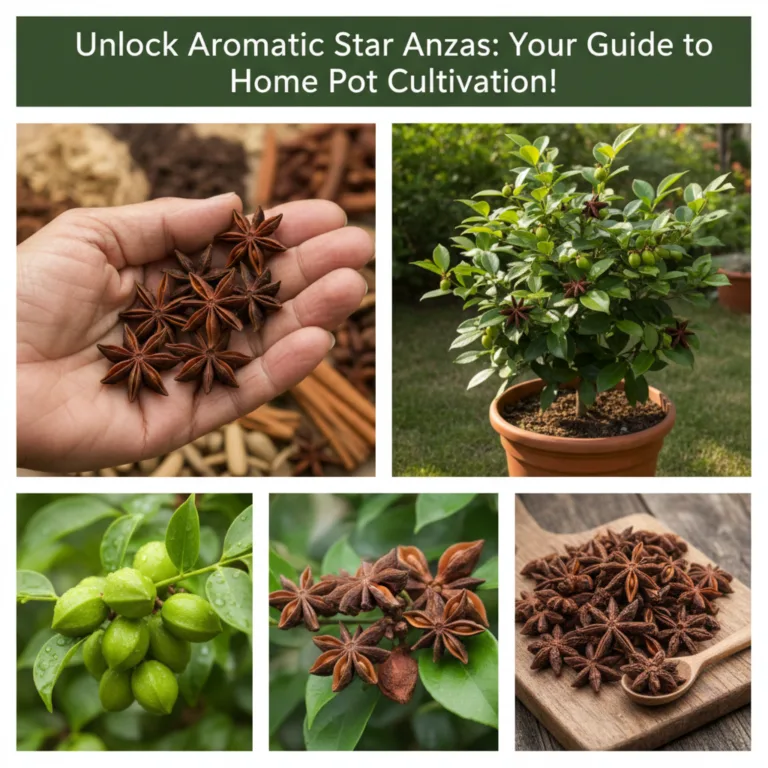
Why Bringing Star Anise Home Matters
For many, star anise is a beloved spice, instantly recognizable by its beautiful shape and liquorice-like flavor. It’s a staple in Asian cuisine, a warming addition to mulled wine, and even finds its way into some traditional remedies. But why grow it yourself?
Beyond the sheer satisfaction of cultivating something unique, growing your own star anise connects you more deeply to the food you eat. You control the environment, ensuring it’s free from unwanted chemicals, and you get to experience the spice at its freshest, most potent stage. It’s also a fantastic conversation starter and a beautiful addition to any home garden, transforming an ordinary space into a personal botanical haven.
There’s a quiet joy in watching a plant grow from a seed or small seedling into something that provides both beauty and utility. For those who appreciate natural wellness and love to experiment with home remedies or elevate their cooking, growing star anise offers a unique and rewarding experience.
The Fascinating World of Star Anise
Let’s get to know this botanical marvel a little better.
What is Star Anise?
Star anise (Illicium verum) is the dried, star-shaped fruit of an evergreen tree native to Vietnam and southern China. It’s often confused with aniseed, but they come from different plants, though they share a similar flavor profile due to the compound anethole. Traditionally, star anise has been a cornerstone in various culinary traditions and folk remedies.
- Traditional Use: In traditional Chinese medicine, star anise has been used for digestive issues, as a carminative (to relieve gas), and to freshen breath. It’s also frequently used in warming remedies.
- Modern Understanding: While extensive scientific research on star anise’s direct health benefits from home consumption is ongoing, it’s known to be a source of antioxidants and contains compounds that are being studied for various properties. However, it’s primarily valued for its distinct flavor and aroma in the culinary world.
It’s important to remember that while star anise is a wonderful spice, its primary role in your home garden will be culinary and ornamental, not as a replacement for medical advice or treatment.
Creating the Perfect Home for Your Star Anise Plant
To successfully grow star anise in a pot, you’ll want to mimic its natural subtropical to tropical environment as much as possible.
- Light: Star anise loves bright, indirect light. A spot near a south-facing window (in the Northern Hemisphere) that gets plenty of light but isn’t scorched by direct, intense afternoon sun is ideal. If growing outdoors in a warm climate, partial shade is often best.
- Soil: This plant thrives in rich, well-draining, slightly acidic soil. A good quality potting mix amended with some compost or peat moss will work wonders. Ensure excellent drainage to prevent root rot.
- Temperature: Star anise prefers warm temperatures, ideally between 60-75°F (15-24°C). Protect it from frost, as it’s not cold-hardy. If you live in a cooler climate, bringing it indoors during colder months is essential.
- Humidity: Being a tropical plant, it appreciates higher humidity. You can achieve this by misting the leaves occasionally, placing the pot on a pebble tray with water, or using a room humidifier.
Your Practical Guide to Pot Cultivation
Choosing Your Pot and Planting
- Select the Right Pot: Start with a pot that’s at least 10-12 inches in diameter with good drainage holes. As the plant grows, you’ll need to repot it into larger containers, eventually up to 18-24 inches or more if you want a substantial plant. Terracotta pots are excellent for drainage.
- Planting: You can start star anise from seeds, though they can be slow to germinate, or from a young plant (which is often easier for beginners). Plant the seed or seedling in your prepared pot, ensuring the roots are well-covered but the stem isn’t buried too deep.
- Watering: Star anise prefers consistently moist soil, but never soggy. Water thoroughly when the top inch of soil feels dry to the touch, allowing excess water to drain away. Reduce watering slightly in cooler months.
- Feeding: During the growing season (spring and summer), feed your plant with a balanced liquid fertilizer every 2-4 weeks. Reduce or stop fertilizing in fall and winter.
- Pruning: Prune your star anise plant to shape it, remove dead or damaged branches, and encourage bushier growth. This can be done in late winter or early spring before new growth begins.
Harvesting Your Aromatic Bounty
Star anise trees typically start producing fruit after about 3-6 years, so patience is key! The fruits are usually harvested while still green and unripe, then dried. You’ll know they’re ready when they have reached their full star shape but are still firm and green.
- How to Harvest: Carefully snip the green star-shaped pods from the branches using clean pruners or scissors.
- Drying: Spread the harvested pods in a single layer on a screen or tray in a warm, dry, well-ventilated area away from direct sunlight. They can take several weeks to dry completely, turning a reddish-brown color and developing their characteristic aroma.
- Storage: Once thoroughly dry, store your star anise pods in an airtight container in a cool, dark place. They will retain their flavor and aroma for a long time, ready to infuse your dishes and drinks!
Safety & Precautions
While Chinese star anise (Illicium verum) is safe for culinary use, it is absolutely critical to distinguish it from Japanese star anise (Illicium anisatum), which is highly toxic and not for human consumption. Japanese star anise is unfortunately very similar in appearance.
- Identification: Always ensure you are growing and consuming Illicium verum. If you purchase seeds or a plant, verify the botanical name.
- Consumption: As with any herb or spice, consume star anise in moderation. If you are pregnant, nursing, have an existing medical condition, or are taking medication, consult your healthcare professional before using star anise for any medicinal purposes.
- Allergies: While rare, allergic reactions are possible. Discontinue use if you experience any adverse effects.
Remember, the information provided here is for educational purposes and should not be considered medical advice.
Key Takeaways for Home Star Anise Cultivation
- Star anise (Illicium verum) can be grown in pots with proper care.
- It requires bright, indirect light, well-draining, slightly acidic soil, and warm temperatures.
- Ensure consistent moisture, but avoid waterlogging.
- Patience is needed, as plants may take a few years to bear fruit.
- Harvest green pods and dry them thoroughly for optimal flavor.
- Crucially, always differentiate Chinese star anise from the toxic Japanese variety.
FAQ: Your Star Anise Questions Answered
Can star anise be grown indoors?
Yes, star anise can be grown indoors, especially in climates where it’s too cold for outdoor cultivation. It requires bright, indirect light and consistent warmth, making a sunny window a good spot. You’ll need to monitor humidity levels as well.
How long does it take for star anise to bear fruit?
Star anise trees typically begin to produce their star-shaped fruits after about 3 to 6 years when grown from seed. If you start with a more mature plant, you might see fruits sooner.
What are the benefits of fresh star anise compared to dried?
Freshly harvested star anise, once properly dried, will have a more potent and nuanced aroma and flavor compared to pre-packaged, older dried spices. Growing your own ensures maximum freshness and quality.
How often should I water my potted star anise plant?
Water your potted star anise when the top inch of soil feels dry to the touch. It prefers consistently moist soil but absolutely dislikes being waterlogged. Adjust watering frequency based on temperature, humidity, and pot size.
Is star anise the same as anise seed?
No, while they share a similar licorice-like flavor due to the presence of anethole, star anise comes from the fruit of the Illicium verum tree, and anise seed comes from the plant Pimpinella anisum. They are botanically distinct.
Related Reading
Intrigued by the world of home-grown flavors and natural wellness? Explore more with these articles:
- Growing Your Own Medicinal Herbs: A Beginner’s Guide
- The Wonders of Cinnamon: Beyond the Spice Rack
- Creating an Indoor Edible Garden: From Herbs to Microgreens
- Natural Ways to Boost Your Kitchen’s Aroma