Most people walk right past it, dismissing it as just another garden weed. Yet, this unassuming plant, with its vibrant purple-tinged leaves and delicate flowers, holds a long-standing place in traditional practices for its unique properties. We’re talking about Purple Dead Nettle, and if you’ve never considered its potential beyond a nuisance, you’re missing out on a readily available and practical natural ally.
What is Purple Dead Nettle?
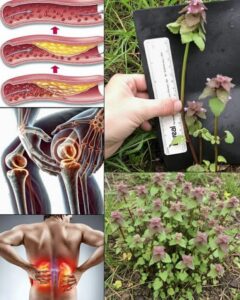
Purple Dead Nettle (Lamium purpureum) is a member of the mint family (Lamiaceae), easily recognized by its square stems, heart-shaped, slightly hairy leaves that become distinctly purple at the top, and small, two-lipped pinkish-purple flowers. It’s an annual broadleaf plant found commonly across North America and Europe, thriving in disturbed soils, gardens, and fields. Unlike stinging nettle, its leaves do not sting, hence the ‘dead’ in its name.
Historically, it has been used in various folk traditions, often valued for its gentle yet supportive qualities. Today, many are rediscovering its potential, primarily by incorporating it into simple home remedies like teas, infusions, and even culinary applications.
Ingredients for a Basic Purple Dead Nettle Infusion
- Fresh or dried Purple Dead Nettle leaves and flowers
- Hot water (filtered is best)
Approximate Measurements
- For Fresh Nettle: 1/4 cup loosely packed fresh leaves and flowers per 8 ounces (1 cup) of water.
- For Dried Nettle: 1-2 teaspoons of dried leaves and flowers per 8 ounces (1 cup) of water.
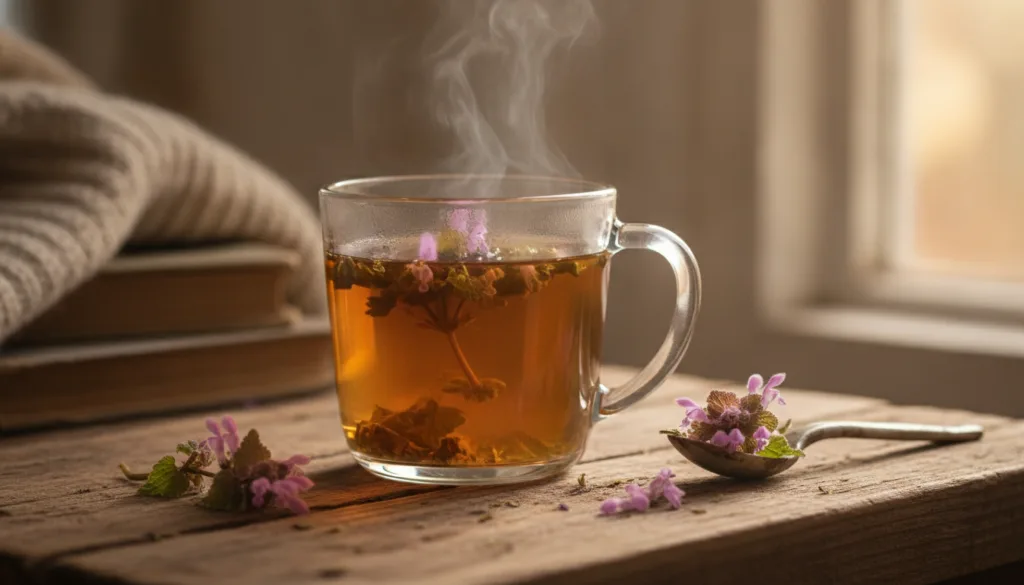
Purple Dead Nettle Infusion Recipe
Step-by-Step Method
- Harvesting/Measuring: If using fresh nettle, gather the upper leaves and flowers, ensuring they are clean and free from pesticides. Rinse gently if needed. Roughly chop them. If using dried, measure out the recommended amount.
- Prepare the Water: Bring fresh, filtered water to a boil.
- Combine: Place the fresh or dried nettle in a heat-proof mug or jar.
- Pour: Pour the hot water over the nettle.
- Steep: Cover the mug to retain the volatile compounds and steep for 10-15 minutes. For a stronger infusion, you can steep longer, up to 30 minutes.
- Strain: Strain the liquid to remove the plant material.
- Serve: Enjoy warm. You can add a touch of honey or lemon if desired.
How to Use
The Purple Dead Nettle infusion is typically consumed as a warm tea. It has a mild, earthy, slightly grassy flavor. It can also be cooled and used as a skin rinse for localized application, or added to bathwater for a soothing experience. Some people also incorporate fresh leaves into salads or smoothies, but be sure to wash them thoroughly.
How Often to Use
For general wellness support, one to two cups of Purple Dead Nettle infusion per day is a common recommendation. Listen to your body and adjust as needed. For external rinses, it can be applied once or twice daily.
How to Buy / How to Choose Ingredients
Purple Dead Nettle is rarely found in stores, making wild harvesting the most common way to acquire it. This is the part most people skip:
- Identification: Learn to accurately identify Purple Dead Nettle. It has square stems, opposite leaves, and distinctive purple tips on its upper leaves. It does not sting like its cousin, Stinging Nettle.
- Location: Harvest from areas away from roadsides, industrial zones, or conventionally farmed fields where pesticides and herbicides might be used. Look for healthy, vibrant plants in undisturbed natural settings or organic gardens.
- Timing: The plant is most abundant in early spring, often one of the first green plants to emerge.
- Harvesting: Use clean scissors to snip the upper leaves and flowering tops. Take only what you need, leaving plenty for the plant to continue growing and for wildlife.
Quick Tip: Fresh vs. Dried Nettle
Both fresh and dried Purple Dead Nettle can be used, but there are differences in potency and shelf life.
| Feature | Fresh Purple Dead Nettle | Dried Purple Dead Nettle |
|---|---|---|
| Potency | Generally milder, but with full spectrum of fresh compounds. | More concentrated flavor and potentially stronger infusion by weight. |
| Availability | Seasonal (primarily early spring). | Year-round if dried and stored properly. |
| Preparation | Requires larger quantities, direct use. | Smaller quantities needed, longer shelf life. |
| Flavor | Fresh, slightly grassy. | More earthy, sometimes subtly sweeter. |
Storage
Fresh Nettle: Use immediately for best results. You can store fresh, unwashed nettle in a plastic bag in the refrigerator for up to 2-3 days.
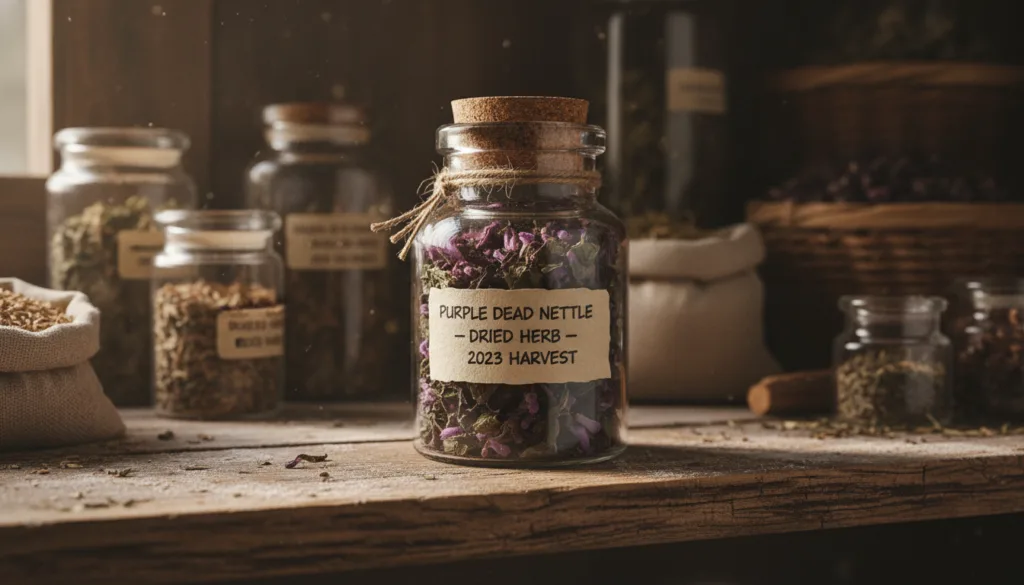
Dried Nettle: To dry, spread clean nettle in a single layer on a screen or cloth in a well-ventilated area away from direct sunlight. Once completely dry (brittle to the touch), store in an airtight glass jar in a cool, dark place. It will keep for up to one year.
Prepared Infusion: The infusion can be stored in the refrigerator for up to 24-48 hours. Beyond that, it’s best to prepare a fresh batch.
Practical Tips
- Start Small: If you’re new to Purple Dead Nettle, begin with smaller amounts to see how your body responds.
- Combine with Other Herbs: Its mild flavor makes it a good candidate for blending with other herbs like peppermint or lemon balm for a more complex tea.
- Garden Use: Purple Dead Nettle is also a valuable early spring food source for bees and other pollinators!
Common Mistakes
- Misidentification: The most significant mistake is confusing Purple Dead Nettle with other plants, some of which may be toxic. Always be 100% certain of your identification.
- Harvesting from Contaminated Areas: Picking plants from areas exposed to heavy metals, pesticides, or other pollutants can introduce harmful substances into your remedy.
- Improper Drying: If nettle isn’t dried completely before storage, mold can grow, rendering it unsafe for use.
- Boiling the Nettle: Boiling for too long can degrade some beneficial compounds. Steeping in hot (not boiling) water is preferred.
Cautions / Who Should Avoid It
While generally considered safe for most people in culinary and tea amounts, some precautions are advised:
- Pregnancy and Breastfeeding: There is limited research on Purple Dead Nettle’s effects during pregnancy and breastfeeding. It’s best to err on the side of caution and avoid use or consult a healthcare professional.
- Medication Interactions: If you are taking any medications, especially diuretics or blood thinners, consult with your doctor before incorporating Purple Dead Nettle into your routine, as it may have mild diuretic properties.
- Allergies: Individuals with allergies to plants in the mint family may experience a reaction.
Quick Summary
- Best Preparation: Infusion (tea) using fresh or dried leaves and flowers.
- Best Use-Case: General wellness support, mild topical rinse.
- Storage: Fresh in fridge (2-3 days); dried in airtight jar (up to 1 year); prepared infusion in fridge (1-2 days).
- When to Use: Daily, or as needed for gentle support.
- What to Avoid: Contaminated harvest sites, misidentification, using during pregnancy/breastfeeding without medical advice.
FAQ
- Can I use fresh or dried Purple Dead Nettle? Both can be used, with fresh requiring slightly more volume and dried offering more concentrated potency by weight.
- How long does the infusion last? A freshly prepared infusion is best consumed within 24-48 hours if refrigerated.
- Can I freeze Purple Dead Nettle? Yes, you can freeze fresh nettle leaves for later use in smoothies or cooked dishes, though they may lose some texture for tea.
- How often should I use the infusion? One to two cups daily is a common practice, but listen to your body and adjust.
- What part of the plant is best to use? The upper leaves and flowering tops are generally preferred for infusions.
- Is it safe for pets? While generally non-toxic, it’s always best to consult with a veterinarian before giving any new plant material to pets.
- How do I ensure I’m harvesting the right plant? Always cross-reference with multiple reliable botanical sources and consider a local plant identification guide or expert.
- Can I reuse the leaves for another infusion? It’s generally not recommended, as most of the beneficial compounds will have been extracted in the first steeping.
Conclusion
Purple Dead Nettle, often underestimated, offers an accessible and gentle way to connect with nature’s wisdom right in your backyard. By understanding proper identification, harvesting techniques, and simple preparation methods, you can confidently integrate this remarkable plant into your daily wellness routine. Before you dismiss that ‘weed’ in your garden, remember the potential it holds.
You may also like: DIY Herbal Oil Infusions: A Beginner’s Guide
Read more: Exploring the Benefits of Stinging Nettle Tea