Are you looking for ways to boost your garden’s health without breaking the bank or relying on synthetic fertilizers? The answer might be closer than you think – right in your kitchen! Turning everyday kitchen scraps into nutrient-rich plant food is not only incredibly effective but also a fantastic step towards sustainable and eco-friendly gardening. Imagine lush, vibrant plants and abundant harvests, all fueled by what you might have once considered waste.
Join us on a journey to transform your kitchen waste into garden gold, giving your beloved plants the natural nourishment they deserve!
The Magic of Kitchen Scraps for Your Garden
Our kitchens are often bustling hubs of activity, leaving behind a treasure trove of organic materials that can work wonders for your garden. Instead of sending these valuable resources to the landfill, we can redirect them to enrich our soil and feed our plants. This practice offers a multitude of benefits:
- Nutrient-Rich: Many kitchen scraps are packed with essential nutrients like nitrogen, potassium, calcium, and phosphorus, vital for plant growth and health.
- Improved Soil Structure: Incorporating organic matter helps to aerate the soil, improve drainage, and increase its water-holding capacity, creating an ideal environment for roots.
- Eco-Friendly & Sustainable: Reduces household waste and minimizes the need for chemical fertilizers, contributing to a healthier planet.
- Cost-Effective: Enjoy a beautiful garden without spending a fortune on commercial fertilizers.
Top Kitchen Scraps to Supercharge Your Soil
Ready to discover which common kitchen items can become your garden’s best friends? Here’s a look at some of the most effective and easy-to-use scraps.
Coffee Grounds: A Boost for Acid-Loving Plants
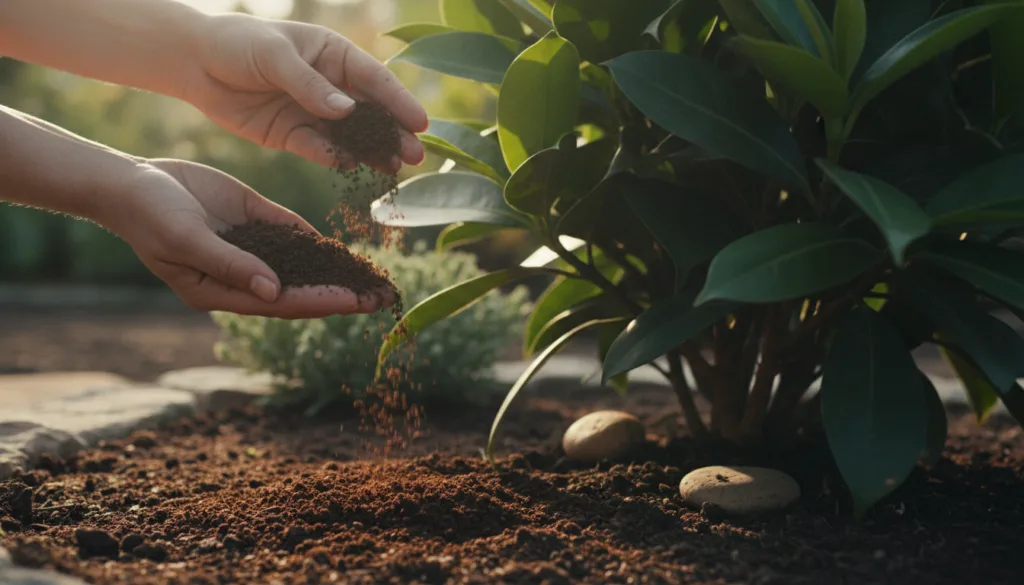
Your morning brew leaves behind a garden powerhouse! Used coffee grounds are rich in nitrogen, which promotes lush green foliage, and they can help to slightly acidify the soil, making them perfect for plants like blueberries, hydrangeas, azaleas, and some roses.
- How to use: Sprinkle a thin layer of dried coffee grounds around the base of your plants or gently work them into the topsoil. You can also add them to your compost pile.
Eggshells: Calcium Powerhouse
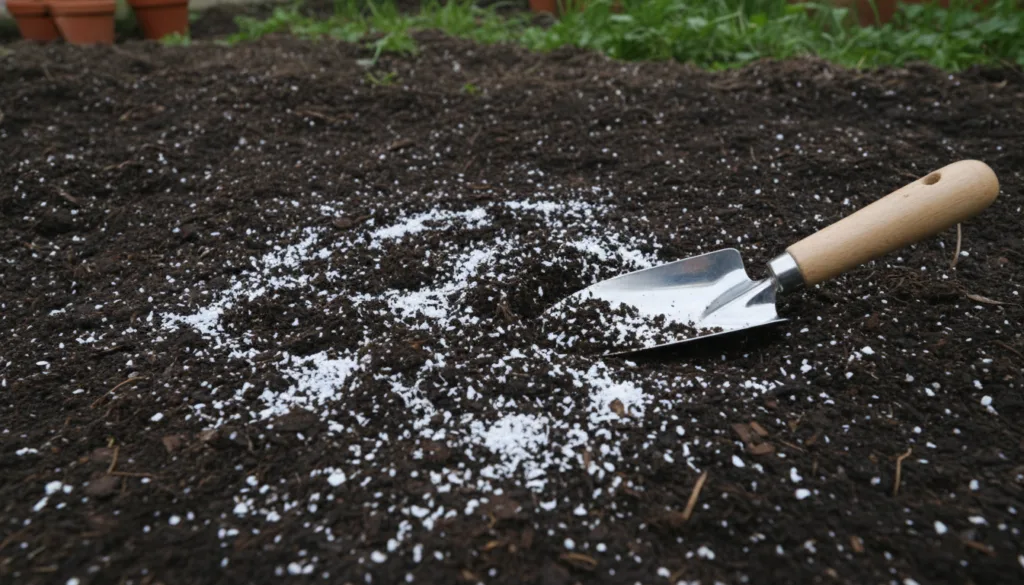
Don’t toss those eggshells! They are an excellent source of calcium, crucial for strong cell walls and preventing blossom end rot in tomatoes and peppers. Calcium also helps maintain the soil’s pH balance.
- How to use: Rinse eggshells thoroughly, let them dry, then crush them into a fine powder. Sprinkle the powder around plants or mix it into the soil when planting.
Banana Peels: Potassium Rich Food
Banana peels are packed with potassium, which is vital for fruit and flower development, overall plant vigor, and disease resistance. They also contain small amounts of phosphorus and calcium.
- How to use: Chop fresh banana peels into small pieces and bury them a few inches deep around the base of your plants. You can also dry them, grind them into a powder, and sprinkle directly onto the soil.
Tea Leaves: A Gentle Nutrient Release
Just like coffee grounds, used tea leaves (from tea bags or loose leaf) are a gentle source of nitrogen and other trace minerals. They also improve soil structure and can deter some pests.
- How to use: Simply open used tea bags and sprinkle the leaves around plants or add them to your compost.
Vegetable and Fruit Scraps: The Composting Essential
Most non-citrus fruit and vegetable scraps (e.g., potato peels, apple cores, carrot tops) are excellent additions to a compost pile. They break down to create rich, nutrient-dense compost that can be used to amend soil throughout your garden.
Wood Ash: Trace Minerals (Use with Caution)
If you have a wood-burning fireplace and use untreated wood, the ash can be a source of potassium, calcium, and magnesium. However, wood ash is alkaline, so use it sparingly and avoid using it around acid-loving plants.
- How to use: Sprinkle a very thin layer over garden beds or mix into compost. Test your soil pH first to ensure it’s needed.
Aquarium Water: A Fishy Feast for Your Flora
The water from your fish tank (when you clean it) is surprisingly beneficial! It contains nitrogen, phosphorus, and potassium from fish waste, providing a gentle, balanced fertilizer for your plants.
- How to use: Use spent aquarium water directly to water your indoor and outdoor plants.
Best Practices for Using Kitchen Scraps
While kitchen scraps are wonderful, a few guidelines will ensure you get the best results without attracting pests or causing issues for your plants.
Preparation is Key
- Chop it up: Smaller pieces break down faster, releasing nutrients more quickly.
- Wash some scraps: Rinse eggshells and banana peels to remove any lingering food residue that could attract pests.
- Dry if needed: For scraps like coffee grounds and eggshells, drying them can prevent mold and make them easier to store and apply.
Application Methods
- Top-dressing: Simply sprinkle prepared scraps on the soil surface around plants.
- Digging in: For a faster nutrient release and to deter pests, bury scraps a few inches deep near the root zone.
- Liquid fertilizers: Some scraps, like banana peels, can be steeped in water for a few days to create a liquid feed.
- Composting: The most versatile method is to add most scraps to a compost pile to create rich, balanced compost for overall soil improvement.
What to Avoid
- Meat and Dairy: These attract pests (rodents, flies) and can create foul odors.
- Oily/Greasy Foods: Can impede water penetration and harm soil microorganisms.
- Diseased Plants: Don’t add any diseased plant material to your compost or directly to your garden, as it can spread pathogens.
- Citrus Peels (in large quantities): While small amounts are fine for compost, large quantities can make the soil too acidic for some plants and might deter beneficial worms.
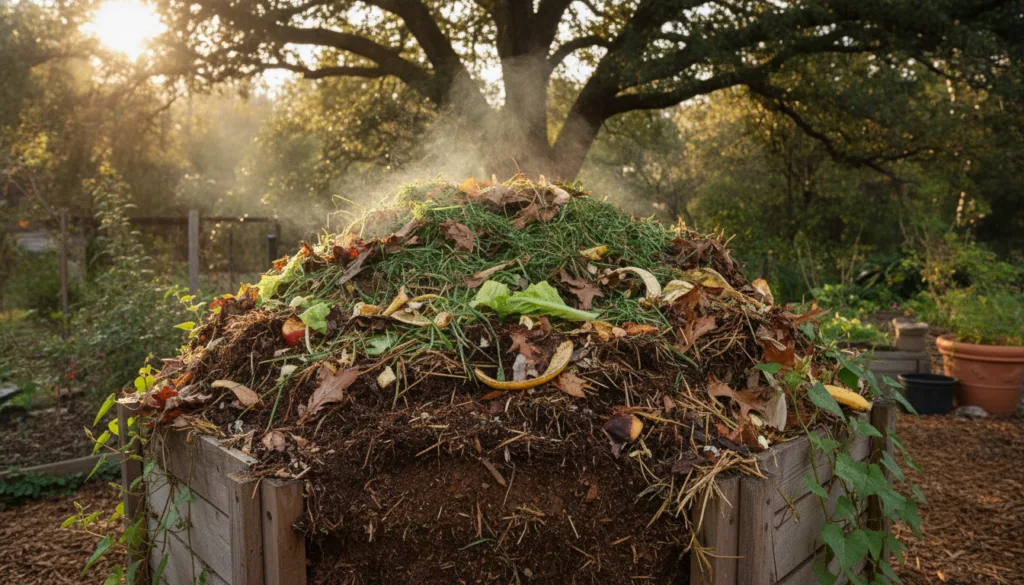
From Waste to Wonderful: A Sustainable Garden Journey
Embracing kitchen scraps in your gardening routine is a powerful way to cultivate a healthier, more vibrant garden while also contributing to a more sustainable lifestyle. It’s a simple, free, and incredibly rewarding practice that connects you more deeply with the natural cycles of growth and renewal.
Start experimenting with these fantastic kitchen treasures today, and watch your garden flourish like never before! Happy gardening!