Discovering the fiber content of your favorite vegetables is key to building a balanced and healthy plate. Fiber, often called the ‘gut’s best friend,’ plays a crucial role in maintaining digestive health, regulating blood sugar levels, and helping you feel fuller for longer. But not all vegetables are created equal when it comes to their fiber content. Understanding which vegetables are high in fiber and which are low can help you tailor your diet to your specific needs, whether you’re looking to boost your daily intake or require a gentler approach to digestion.
This guide will walk you through a clear distinction between high-fiber and low-fiber vegetables, helping you make informed choices that contribute to your overall well-being. From crunchy greens to earthy roots, we’ll explore their benefits and suggest easy ways to incorporate them into your meals.
Why Fiber Matters: The Unsung Hero of Your Diet
Dietary fiber is an essential component of a healthy diet, offering a wide array of benefits beyond just regularity. It comes in two main forms: soluble and insoluble. Soluble fiber dissolves in water to form a gel-like material, which can help lower blood cholesterol and glucose levels. Insoluble fiber adds bulk to your stool and helps food pass more quickly through your stomach and intestines.
Together, these types of fiber contribute to:
- Digestive Health: Promoting regular bowel movements and preventing constipation.
- Blood Sugar Control: Slowing the absorption of sugar, which can help improve blood sugar levels.
- Heart Health: Reducing LDL (‘bad’) cholesterol.
- Weight Management: Increasing satiety and helping you feel full, which can aid in controlling calorie intake.
- Gut Microbiome Support: Feeding beneficial gut bacteria, contributing to a healthy gut environment.
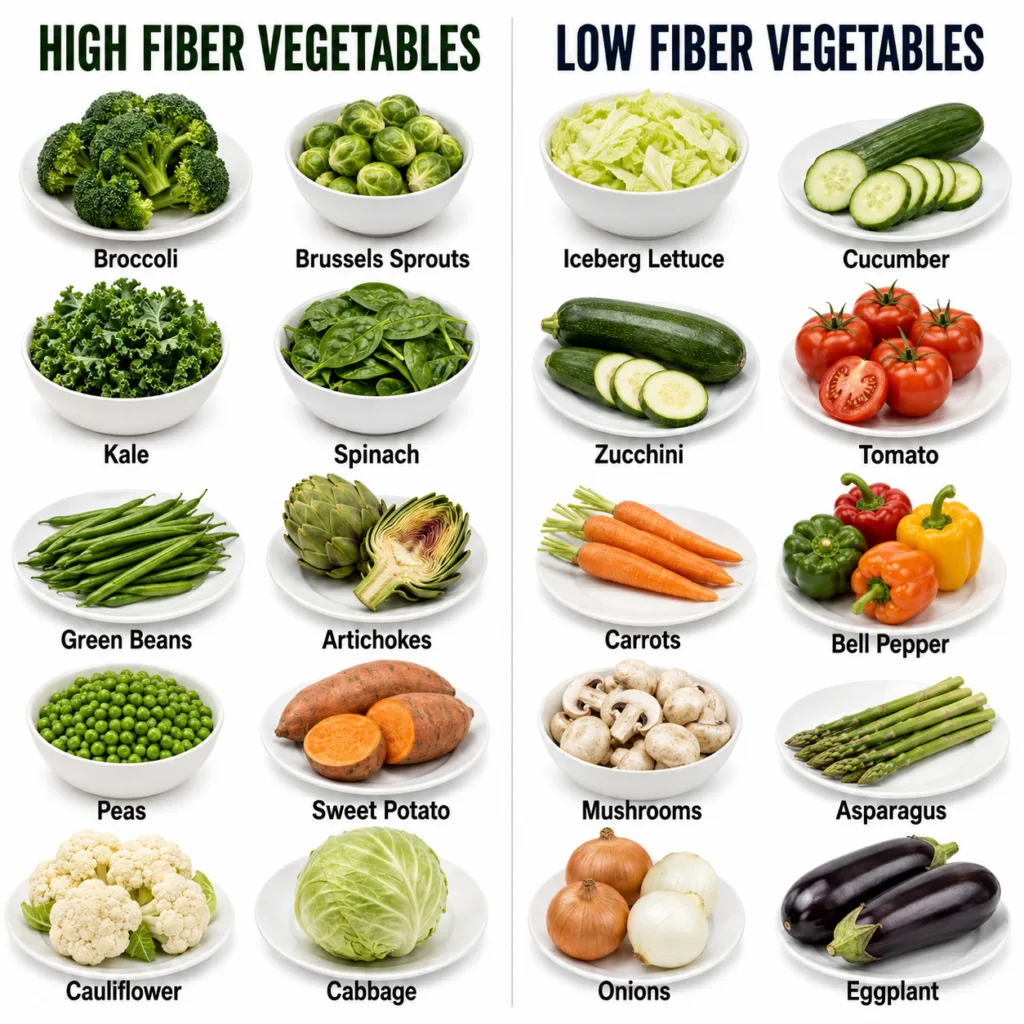 Understanding the fiber content of your vegetables can empower your dietary choices.
High-Fiber Vegetables: Your Powerhouse Picks
These vegetables are nutritional champions, packed with dietary fiber that supports satiety and digestive health. Incorporating them regularly can significantly boost your daily fiber intake.
Broccoli
A cruciferous powerhouse, broccoli is rich in fiber and offers vitamins C and K. Enjoy it steamed, roasted, or stir-fried.
Brussels Sprouts
These mini cabbages are surprisingly high in fiber and a great source of antioxidants. Roasting them brings out a delicious nutty flavor.
Kale
Known for its nutrient density, kale delivers ample fiber along with vitamins A, C, and K. Use it in salads, smoothies, or sautéed as a side.
Spinach
While often considered a low-calorie leafy green, spinach also contributes significant fiber, especially when consumed in larger quantities. It’s incredibly versatile for salads, soups, or even baked dishes.
Green Beans
These slender legumes offer a good amount of fiber and are perfect steamed, boiled, or added to casseroles.
Artichokes
A true fiber champion, artichokes are particularly high in prebiotics, which feed beneficial gut bacteria. Steamed or grilled, they make a delightful appetizer or side.
Peas
Sweet and vibrant, peas are a fantastic source of fiber, protein, and vitamins. Add them to pasta dishes, rice, or enjoy as a simple side.
Sweet Potato
Rich in fiber, vitamins, and complex carbohydrates, sweet potatoes are a satisfying and nutritious choice. Bake, mash, or roast them for a hearty side.
Cauliflower
Another versatile cruciferous vegetable, cauliflower provides a good amount of fiber and can be used in countless ways, from rice substitutes to roasted florets.
Cabbage
Whether green or red, cabbage is an affordable and fiber-rich vegetable. It’s excellent in salads, slaws, or fermented as sauerkraut.
Low-Fiber Vegetables: Gentle Choices for Digestive Comfort
For those needing to manage digestive issues, or simply preferring a lighter option, low-fiber vegetables offer essential nutrients without adding significant bulk. They are still packed with vitamins, minerals, and hydration.
Iceberg Lettuce
While lower in fiber, iceberg lettuce offers a crisp texture and high water content, making it refreshing in salads and sandwiches.
Cucumber
Composed mostly of water, cucumbers are hydrating and very low in fiber, perfect for a light snack or addition to salads.
Zucchini
Mild in flavor and easy to digest, zucchini is a versatile low-fiber option. It can be grilled, spiralized, or added to stir-fries.
Tomato
Technically a fruit, tomatoes are commonly used as a vegetable and provide vitamins and antioxidants with minimal fiber. Enjoy them fresh in salads or cooked in sauces.
Carrots
These crunchy root vegetables are relatively low in fiber when cooked and offer a good dose of vitamin A. Enjoy them raw, steamed, or roasted.
Bell Pepper
Colorful and sweet, bell peppers are low in fiber, especially when peeled and cooked. They are great in salads, stir-fries, or as a snack.
Mushrooms
These earthy fungi are low in fiber and can add a savory umami flavor to many dishes. Sautéed or grilled, they are a fantastic addition.
Asparagus
Delicate and distinct, asparagus spears are low in fiber and rich in vitamins and minerals. Steam, roast, or grill them for a simple side.
Onions
While they add flavor to almost any dish, onions contribute minimal fiber, especially when cooked. They are a staple in countless cuisines.
Eggplant
With its unique texture, eggplant is a low-fiber option that absorbs flavors beautifully. Grill, bake, or roast it into delicious dishes.
Beyond the Labels: Balancing High and Low Fiber for Optimal Health
The goal isn’t to exclusively eat high-fiber or low-fiber vegetables, but to create a balanced diet that meets your body’s needs. For most people, a mix of both types provides the best of both worlds: robust digestive support from high-fiber options and essential nutrients and hydration from low-fiber ones.
- Variety is Key: Aim for a colorful plate that includes a wide range of vegetables from both categories.
- Listen to Your Body: If you’re experiencing digestive discomfort, a temporary switch to lower-fiber vegetables might be beneficial. Conversely, if you’re looking to improve regularity, focus on increasing your high-fiber intake gradually.
- Hydration: When increasing fiber intake, it’s crucial to also increase your water intake to help fiber move through the digestive system smoothly.
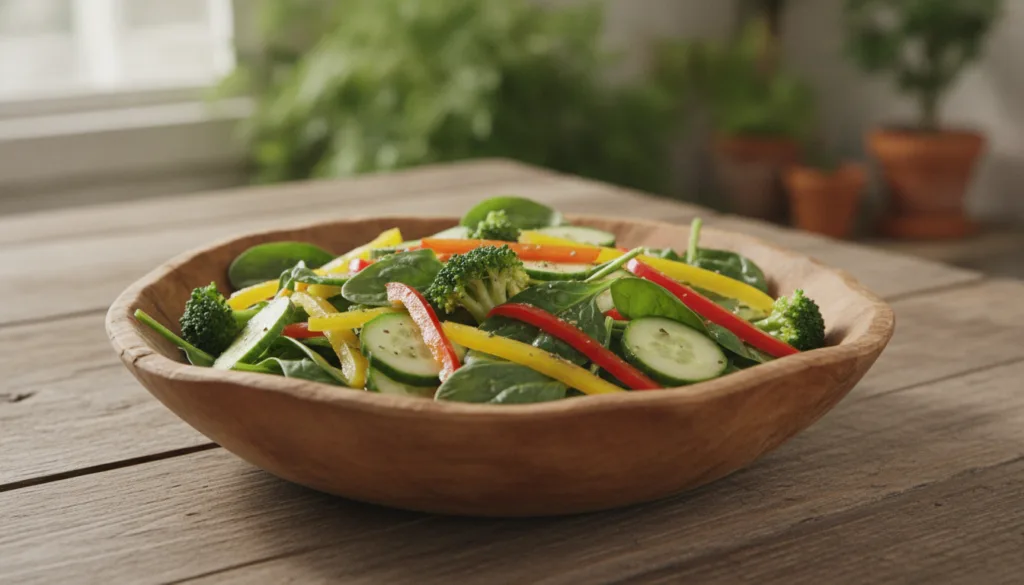 A balanced plate includes a vibrant mix of both high and low fiber vegetables.
Smart Ways to Incorporate More Vegetables into Your Meals
Boosting your vegetable intake doesn’t have to be complicated. Here are some simple, practical tips:
- Smoothie Boost: Add a handful of spinach or kale to your morning smoothie. You often won’t even taste it!
- Egg Enhancer: Sauté some chopped bell peppers, onions, or spinach to mix into your scrambled eggs or omelets.
- Pasta & Grains Power-Up: Stir in peas, green beans, or cauliflower florets to your pasta dishes, rice, or quinoa.
- Snack Smart: Keep sliced carrots, cucumbers, or bell peppers on hand for easy, healthy snacking.
- Roasted Delights: Roast a medley of sweet potato, broccoli, and Brussels sprouts with a drizzle of olive oil and your favorite herbs for a delicious side dish.
- Soups & Stews: Almost any vegetable can be added to soups, stews, and chilis to boost their nutritional value and fiber content.
Final Thoughts
Understanding the distinction between high-fiber and low-fiber vegetables is a valuable tool for anyone looking to optimize their diet. Both categories offer unique benefits and play important roles in a well-rounded eating plan. By embracing variety and listening to your body’s needs, you can effortlessly integrate these healthful ingredients into your daily meals, paving the way for better digestion, increased energy, and overall vitality.
Medical Disclaimer
The information provided in this article is for general informational purposes only and does not constitute medical advice. Always consult with a qualified healthcare professional before making any changes to your diet or treatment plan, especially if you have a medical condition or are pregnant or breastfeeding.