Some of the most interesting herbal remedy are made from ingredients people usually overlook.
Mango leaves and clove tea is one of those traditional wellness drinks that feels simple, but carries a surprisingly rich history. Many people know the fruit, but very few pay attention to the leaves. When paired with cloves, mango leaves turn into a warm, aromatic herbal remedy often used in home wellness routines for digestion, inflammation balance, and metabolic support.
Most people never realize this works because mango leaves are usually ignored, even though they contain plant compounds that have been studied for their antioxidant potential.
What This Herb Does Inside the Body
This herbal tea is usually appreciated for its gentle, whole-body support rather than for one single dramatic effect.
Mango leaves
Mango leaves contain natural plant compounds such as polyphenols, flavonoids, and mangiferin, a well-known antioxidant found in the mango plant. These compounds are often discussed for their role in helping the body manage oxidative stress.
In traditional use, mango leaf tea is often consumed to support:
- Digestive comfort
- Mild inflammation balance
- Hydration and daily wellness
- General metabolic health
Cloves
Cloves are small, but they are very concentrated in aroma and active plant compounds. Their best-known compound is eugenol, which is widely associated with antioxidant and soothing properties.
In herbal drinks, cloves are often used to support:
- Digestive ease after meals
- A warming effect in the body
- A stronger, more balanced herbal flavor
- Comfort during sluggish or heavy digestion
Why this combination works
Mango leaves bring a soft, earthy, slightly bitter herbal quality. Cloves add warmth, depth, and spice. Together, they create a tea that feels grounding and comforting, especially when sipped warm.
That balance is what makes this remedy appealing. It is not harsh, overly complicated, or expensive. It is a basic herbal tea that fits easily into a simple wellness routine.
Simple Preparation Method
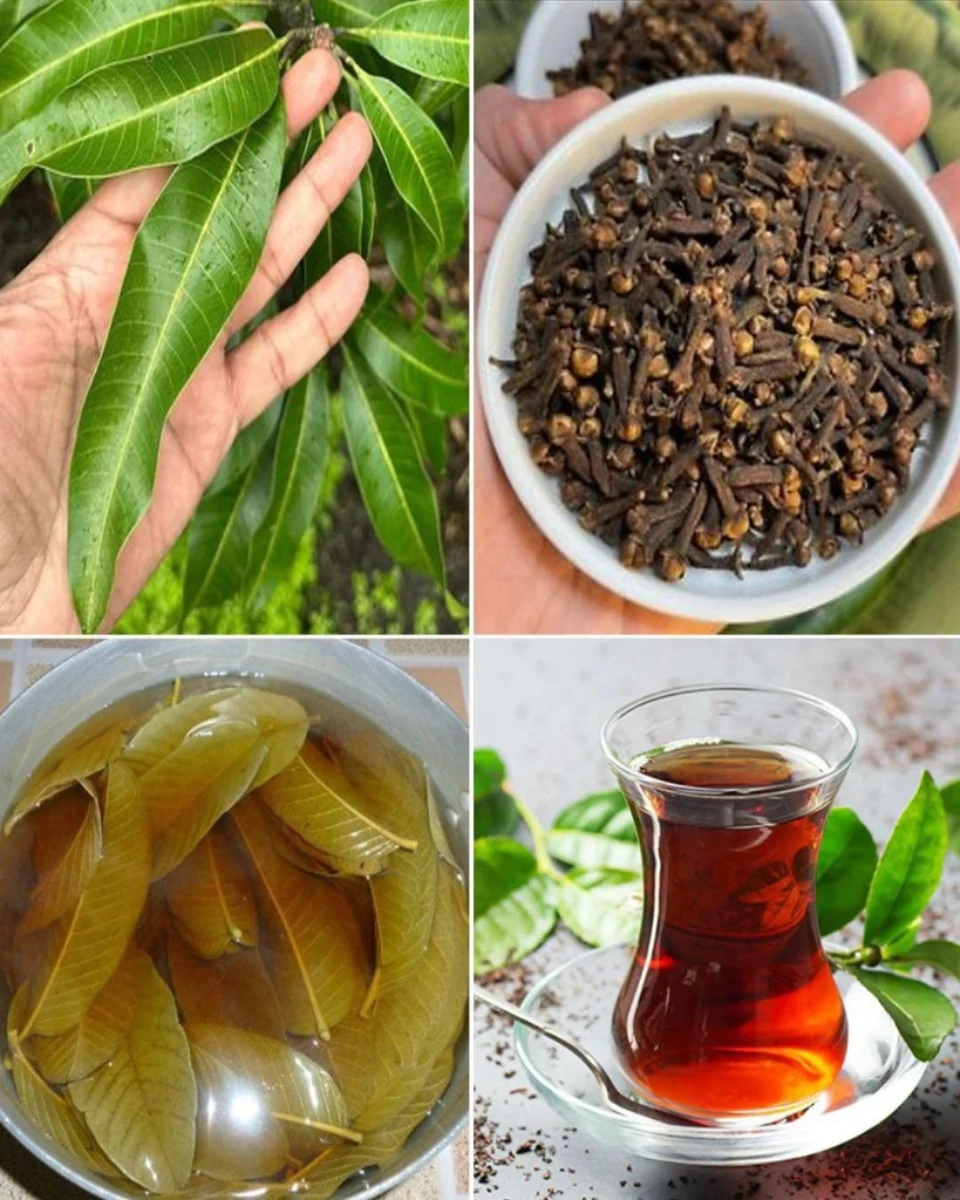
This remedy is easy to make at home with just the two ingredients shown in the image.
Ingredients
- 5 to 7 fresh mango leaves, washed well
- 4 to 6 whole cloves
- 2 to 3 cups water
How to make it
First, rinse the mango leaves thoroughly to remove dirt or residue.
Place the mango leaves and whole cloves into a pot with 2 to 3 cups of water.
Bring the water to a gentle boil, then reduce the heat and let it simmer for about 10 to 15 minutes. This gives the water time to pull out the flavor and plant compounds from both ingredients.
Turn off the heat and allow the tea to sit for another 5 minutes.
Strain into a cup and drink warm.
If the flavor feels too strong at first, use fewer cloves or a shorter simmering time. Mango leaves can have a slightly earthy taste, while cloves can become bold quickly.
When to Drink or Use It
This tea is usually best taken in moderate amounts.
Many people prefer drinking it:
In the morning
A warm cup in the morning can feel light and soothing, especially if you want a caffeine-free herbal option.
After meals
This is a practical time if your goal is digestive comfort or relief from feeling overly full.
In the evening
Some people enjoy it later in the day because warm herbal tea can feel calming and settling.
A reasonable starting point is one small cup a day. There is no need to overdo it. Herbal remedies often work best when used gently and consistently.
Why It Works: Tradition and Science Together
This is where the remedy becomes especially interesting.
From a traditional perspective, warm herbal infusions like this are often used to help the body feel less sluggish. Bitter or mildly astringent leaves are frequently associated with cleansing and digestive support, while warming spices such as cloves are used to stimulate and comfort.
From a science perspective, the interest comes from the natural compounds in each ingredient.
Mango leaves and mangiferin
Mango leaves contain mangiferin, a plant antioxidant that has drawn attention in research for its potential role in oxidative stress balance and metabolic support. The leaves also contain other polyphenols that may contribute to their traditional wellness reputation.
Cloves and eugenol
Cloves contain eugenol, a compound known for its strong aroma and antioxidant activity. This helps explain why cloves are often included in traditional teas for digestion and general comfort.
The bigger picture
This does not mean the tea is a cure. It means the ingredients contain bioactive compounds that help explain why this old herbal combination continues to be used.
For many people, the main benefit is not instant transformation. It is the steady support of a warm, simple ritual that may help the body feel a little lighter and more balanced.
Safety and Who Should Avoid It
Natural does not always mean risk-free, so this part matters.
Avoid using this tea in large amounts. Strong herbal drinks can sometimes irritate sensitive stomachs rather than help them.
Use caution if you:
- Are pregnant or breastfeeding
- Take blood-thinning medication
- Have low blood sugar or take diabetes medication
- Have a known allergy to cloves or mango plant parts
- Have ongoing digestive symptoms that need medical evaluation
Also make sure the mango leaves are clean and sourced from a safe area, not from trees exposed to heavy pesticide use or roadside pollution.
When You May Notice Effects
Some people notice digestive comfort or a lighter feeling within the same day, especially when drinking the tea after a heavy meal.
For broader wellness effects, such as feeling more settled in a routine, it usually takes days to a few weeks of consistent, moderate use alongside good nutrition, hydration, sleep, and stress management.
Final Takeaway
Mango leaves and clove tea is a simple herbal remedy that blends tradition, warmth, and plant-based wellness into one cup. It may support digestion, daily balance, and gentle metabolic wellness when used carefully and consistently.
Sometimes the most useful remedies are the ones that look ordinary at first glance.